Infralittoral Sand Veneer as Part of a Habitat Mosaic: Worbarrow Bay.
Автор: Anemone Marine Ecology
Загружено: 2025-08-10
Просмотров: 2
Описание:
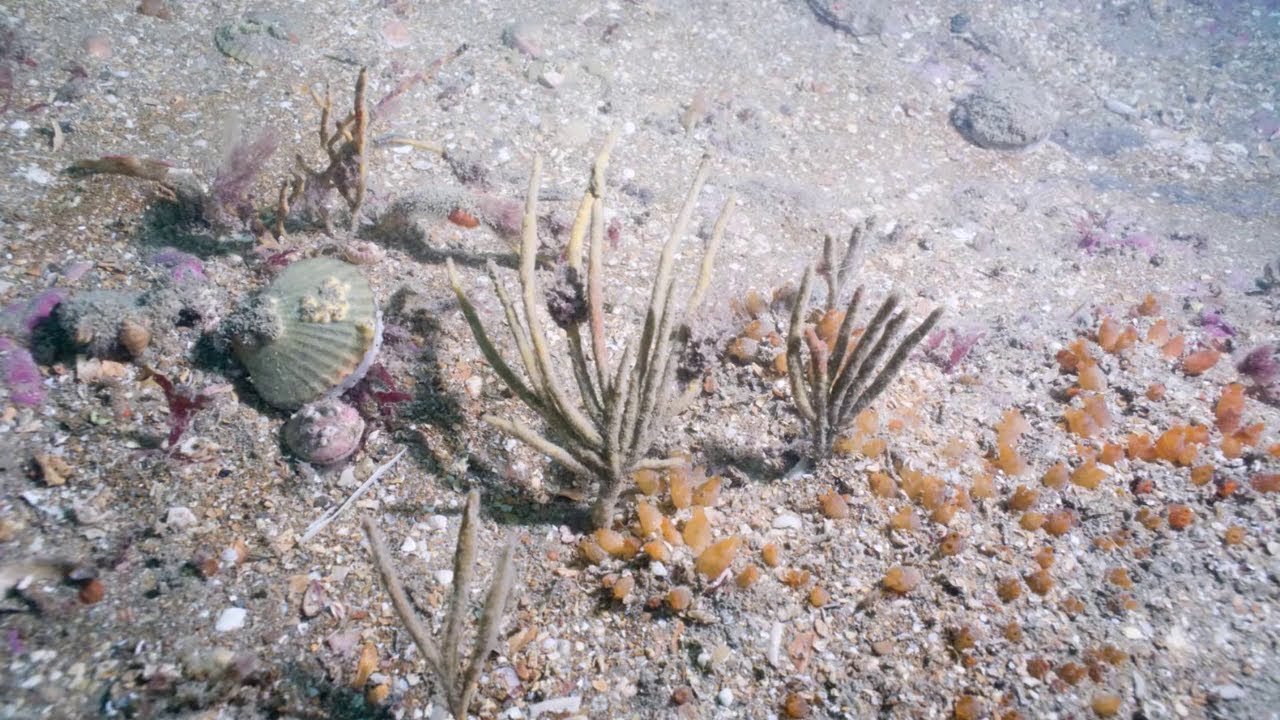
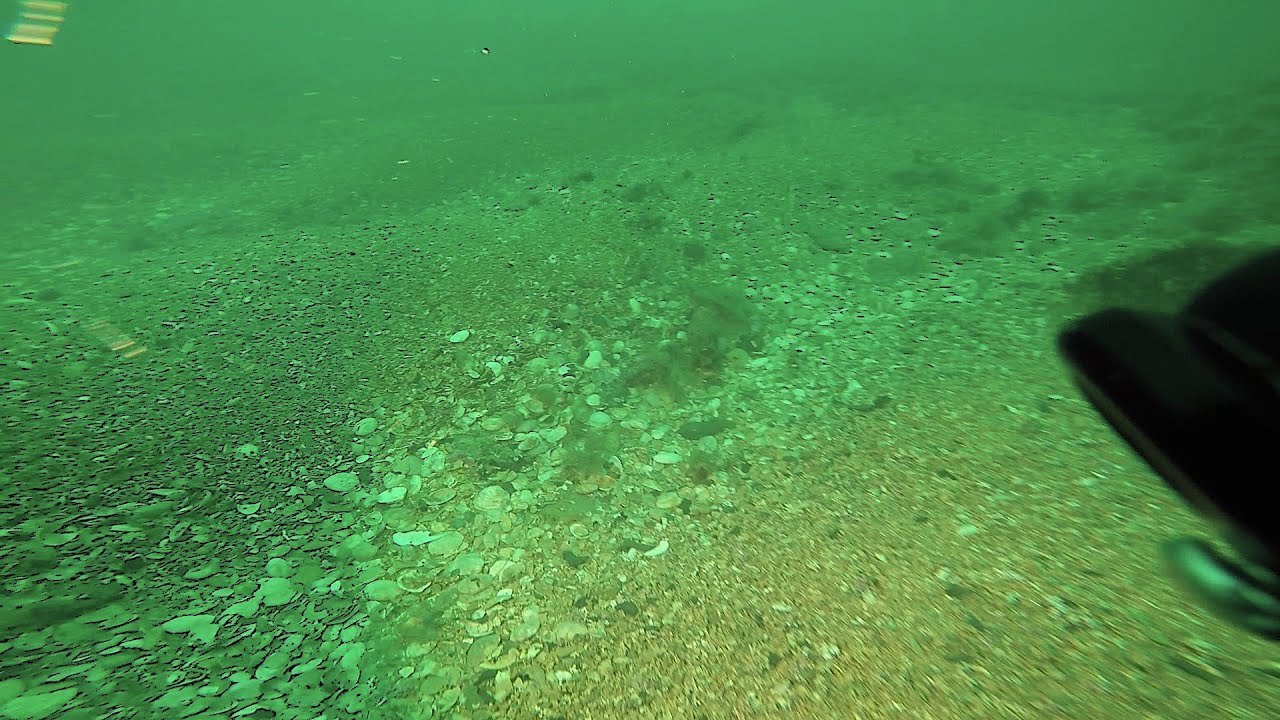
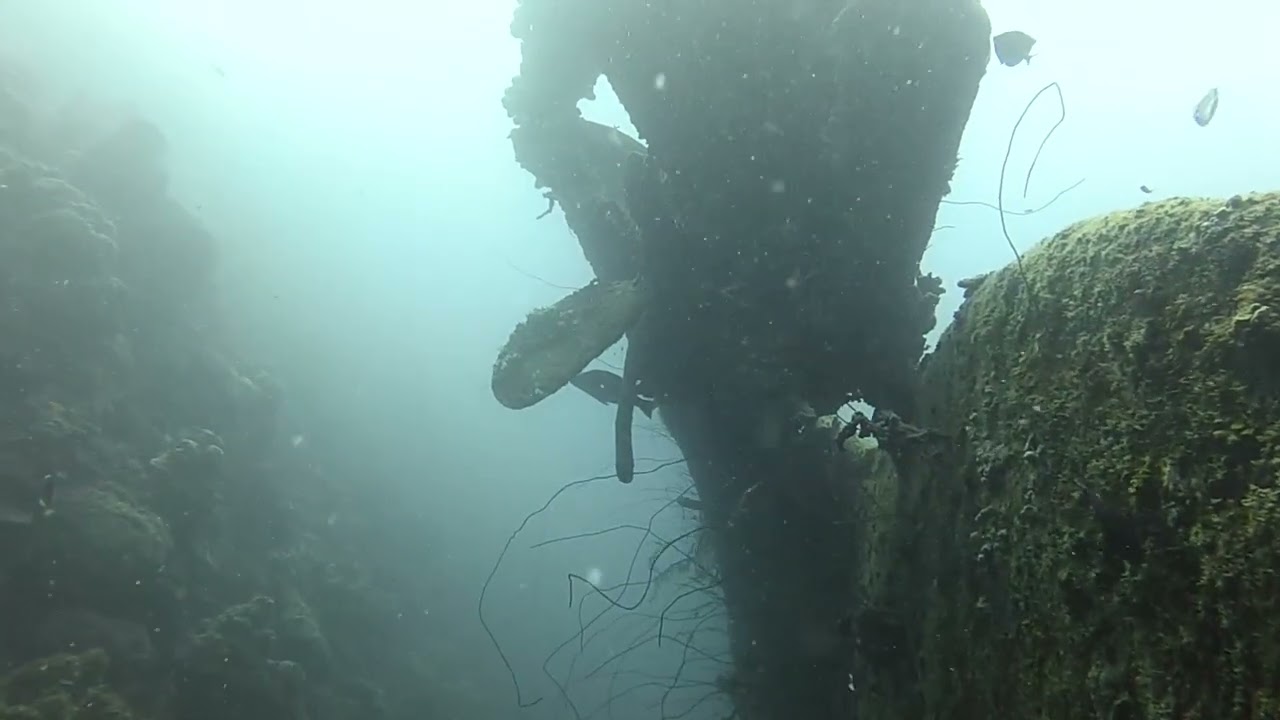
Algae are the main components of the veneer biotope which was to be found along the interface of reef and sediment at this site. The Durlston sand veneer biotope • Marine Ecology: A Simple Sediment Veneer B... was simple and easy for a diver to spot on its flat wave-cut platform, but usually the reef being surveyed is like this one at Warbarrow Bay: lumpy. Here the sediment layer is of different depths which vary over time as the waves of sand move around. This means that the veneer biotope is one of several biotopes seen here – a component of a biotope mosaic. This video was strung together from Gopro video clips and DSLR stills shot on one dive in 2018 and shows a mosaic of habitats including the sand veneer and is designed to show the veneer and to give an idea of some of the problems encountered in recording multiple habitats on a 60 minute dive.
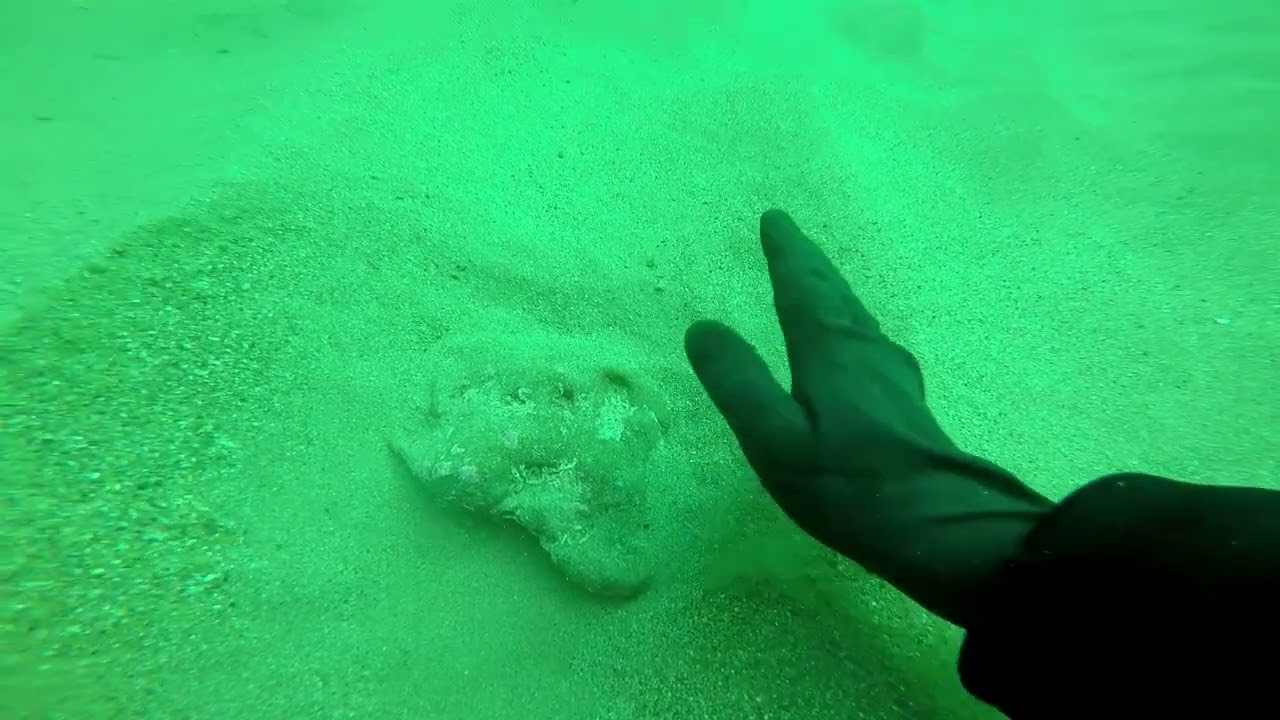
There are five habitats seen here: 1 deep, mobile sand outside the low reef fringe to the north of the main reef; 2 deep metastable sand with infauna (burrowing urchins); 3 sand veneer with coralline crusts and ‘scour’ tolerant macro algae; 4 sand - scoured vertical rock (a minority component); 5 reef dominated by diverse algae with sponges and tunicates. No. 5 was influenced by sediment. I didn’t record the top of the reef, which might have been much ‘cleaner’ and may have been algae-dominated reef with kelps – a sixth habitat! Each and all of our biotopes were over 25 square metres taken as a whole on the site so they 'qualify' on area. BUT on a site with multiple habitats it's probably better to pick a couple and do those properly and just record that the others were there - your time on site is limited. Doing an MNCR survey form or Seasearch Surveyor form (modified MNCR protocol) takes time to do 'properly'. Sure, you can bash one out fairly fast, but in doing so you lose accuracy and data. It is not unknown for a pukka form to take three hours. Add in 6 habitats and the recording time ramifies. Best advice is to record that your recorded habitats are part of a habitat mosaic or that datum will be lost.
It is highly likely that a habitat mosaic is going to be more biodiverse than a similar area of homogeneous habitat - a mosaic offers a wider range of resources to be exploited by mobile biota and more niches for occupation by sessile species. BUT (yet again) if survey personnel and time on site are limited, the complexity of such a site is going to get missed, either by glossing over the complexity or moshing everything into (say) a reef habitat and a 'sediment' habitat. If that happens and that is all the data you have, how is it possible to make a valid decision on how important this site is or how to manage it?
Lastly, let's say that Adreus fascicularis was recorded here, on 'reef'. (It wasn't, but this is an example). Experience teaches that in Dorset this 'rare' sponge isn't rare at all, but is strongly correlated with the presence of veneers. By moshing multiple elements of a habitat mosaic together, you are weakening the recording of correlations of species (Adr fasc) with biotopes (veneers). This isn't as bad as (say) not recording the emergent algae at Durlston because they 'must be drift' 'cos algae don't grow on sand, but is still far from ideal! Not many people dive on 'boring sediment' so veneers get overlooked and Adr fasc gets pegged as 'rare'. And recording a veneer by grab sampling doesn't work 'cos the grab clonks onto the rock below the veneer and as it closes, all that nice mobile sediment trickles out and you get little or nothing. Which gets interpreted as rock or 'barren rock'. Or a 'failed deployment'.
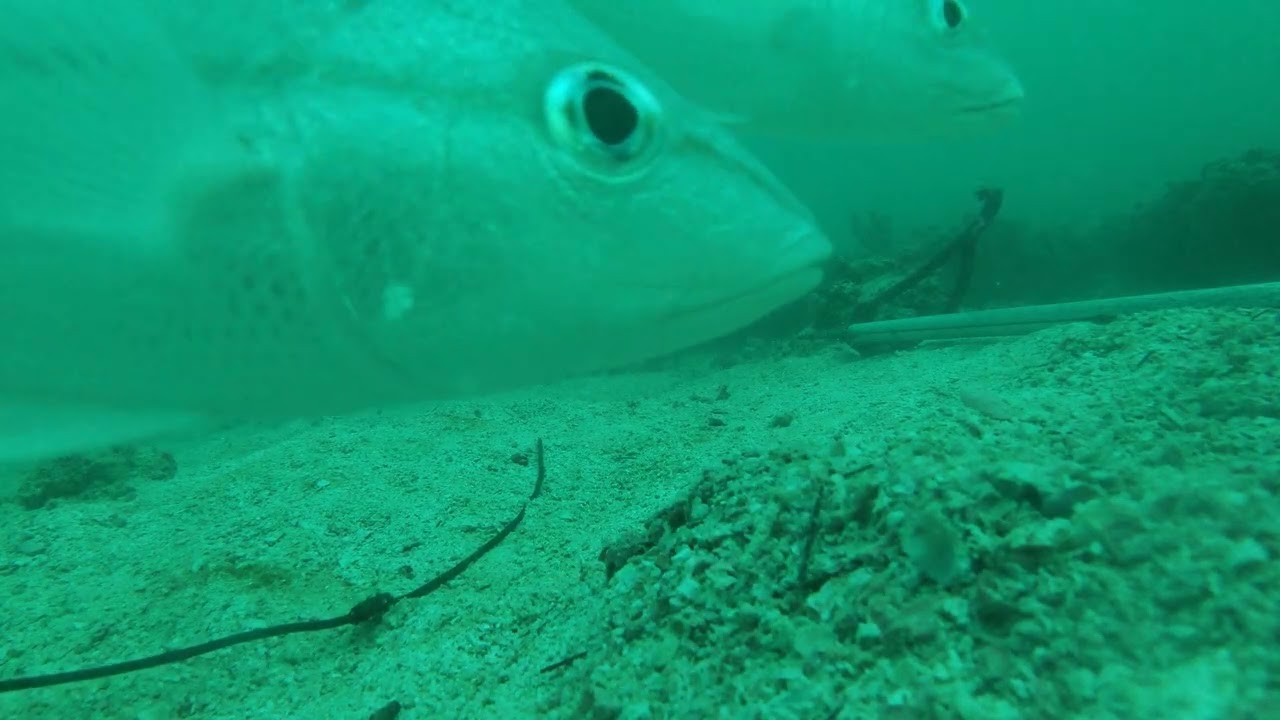
The juvenile red mullet were lovely and were spending their time in the shallow sediment along the base of the main reef – the veneer. Red mullet are a high value species in SW UK fisheries, particularly Cornwall. Like other fish they likely need a range of foraging possibilities afforded by different biotopes at different stages their life.
This video was originally posted in 2022 and transferred to this channel in July 2025 and the narrative was re-written.
Повторяем попытку...

Доступные форматы для скачивания:
Скачать видео
-
Информация по загрузке: