Worbarrow Bay Barrier Reef Sand Veneer. Scuba dive, 2018, 12m below sea level.
Автор: Anemone Marine Ecology
Загружено: 2022-05-21
Просмотров: 43
Описание:
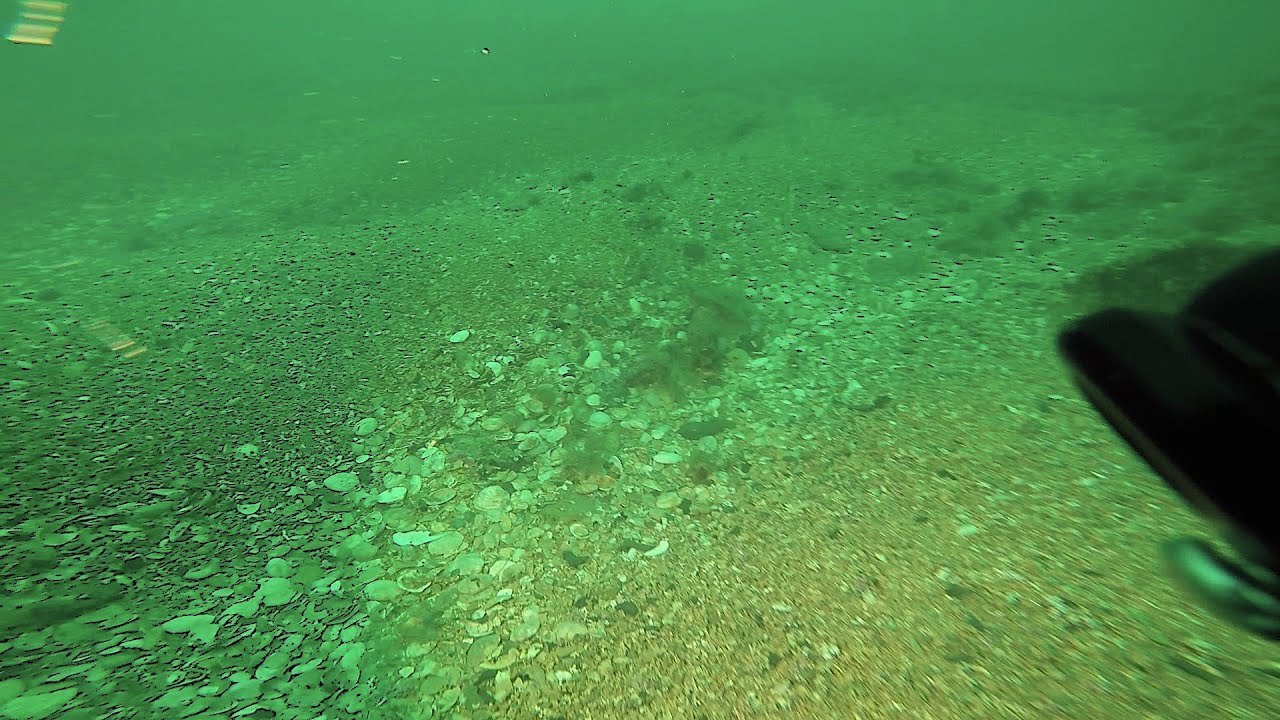
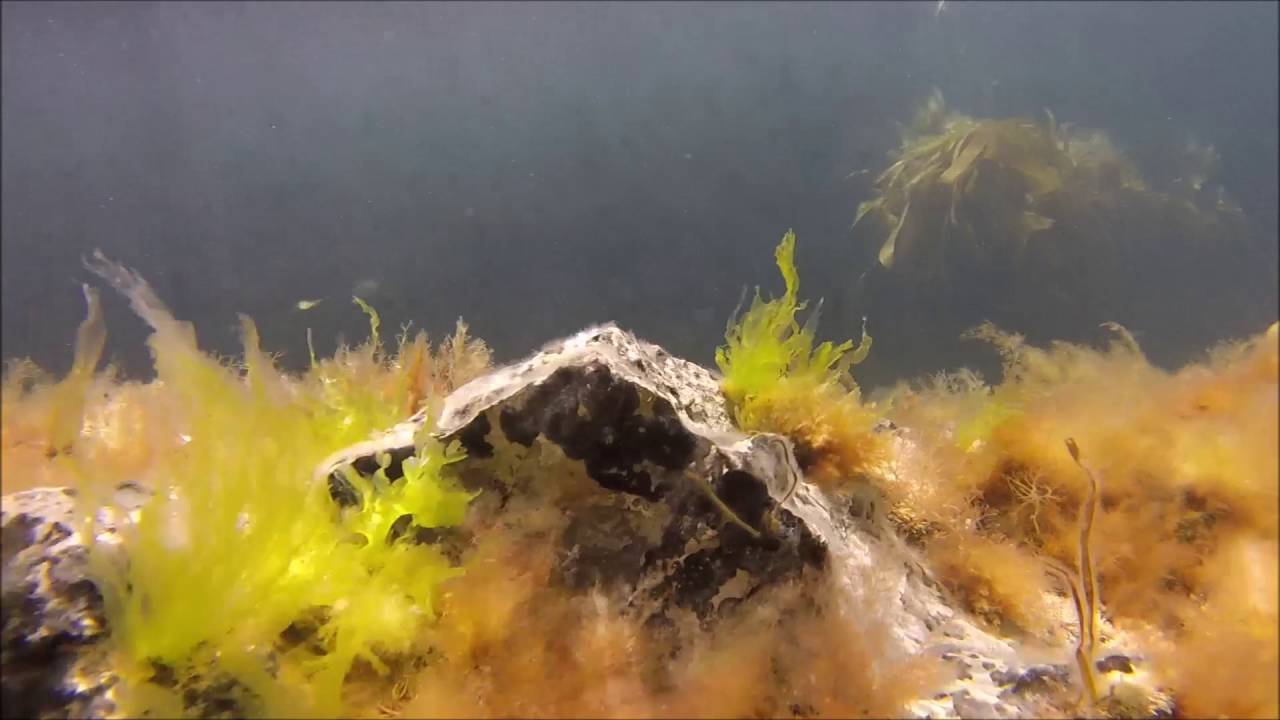
This dive took place in August 2018 on the north side of the rocky reef that runs across the entrance of Worbarrow Bay in Dorset. The reef rises from 12m in mobile sediment to about 8m. In storms the sand gets washed up on to the reef and then gradually gets washed back down twards the base of the reef by wave action, resulting in areas of sand veneer on the lower parts of the reef. This gives rise to a different community of algae to that seen higher up on the reef - the veneer is not the only determinant of the community: depth, aspect and light levels play parts, but it is a powerful modifying factor.
Unlike the Durlston veneer site, this site slopes and the hard surface the veneer species grow on is uneven, leading to a more complicated situation and richer list of species. The reef higher up shows veneer influences, but is not a veneer community. One example is that except for the top of the reef, pod weed (Halidrys siliquosa) replaces kelp - the site is well within the zone where kelps would be expected.
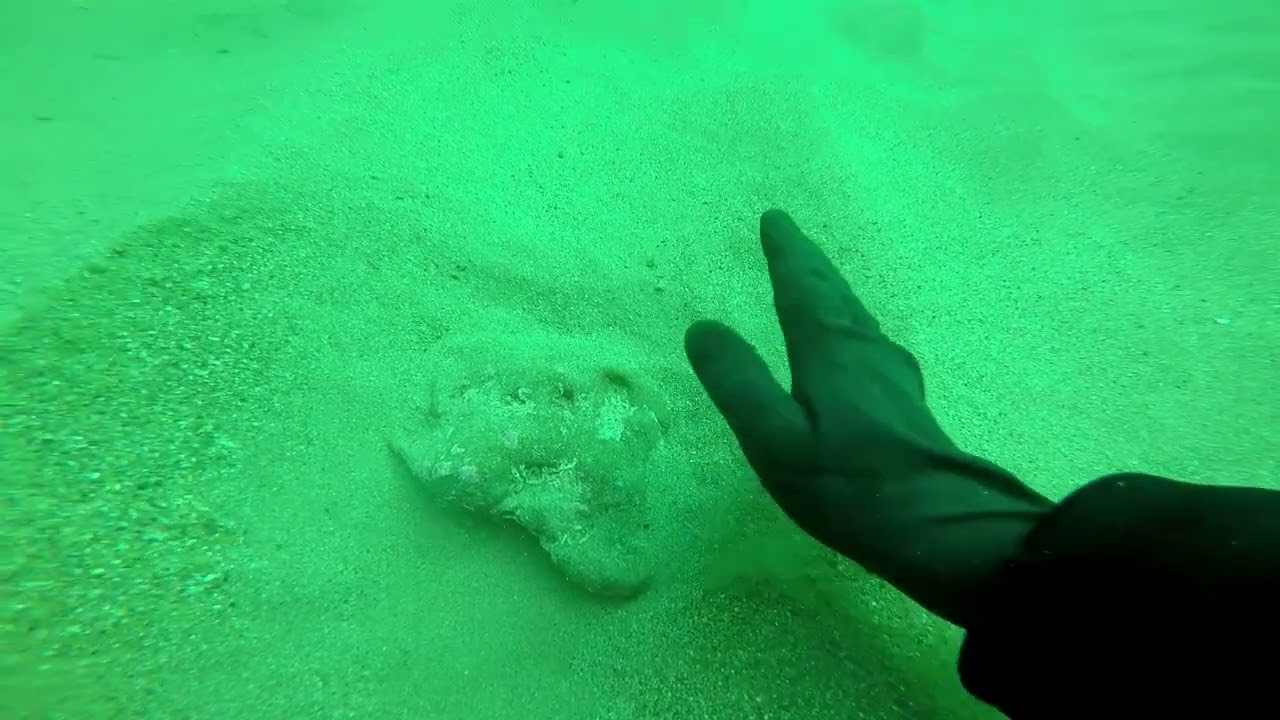
A stand-out feature of this dive was all the stripey juvenile red mullet, as seen in the thumbnail. This is a commercially valuable species and during the dive it was great to watch them hunting for food with their barbels in the sediment of the veneer band. It is completely possible that these fish will exploit other parts of the site at different times of day or at different stages in their growth. A mosaic of habitats is more likely to fill the needs of mobile species than an area of homogenous habitat.
Повторяем попытку...

Доступные форматы для скачивания:
Скачать видео
-
Информация по загрузке: