Maerl Bed (Veneer) off White Nothe Dorset (2022)
Автор: Anemone Marine Ecology
Загружено: 2026-02-14
Просмотров: 21
Описание:
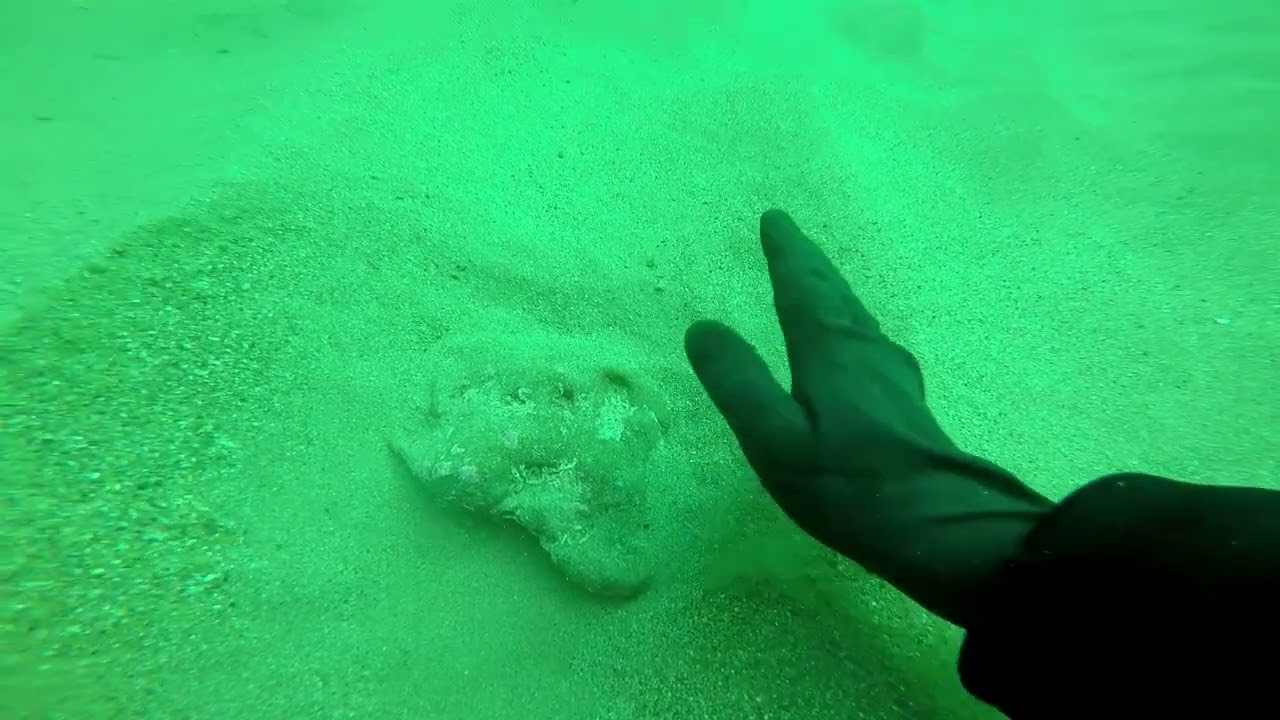
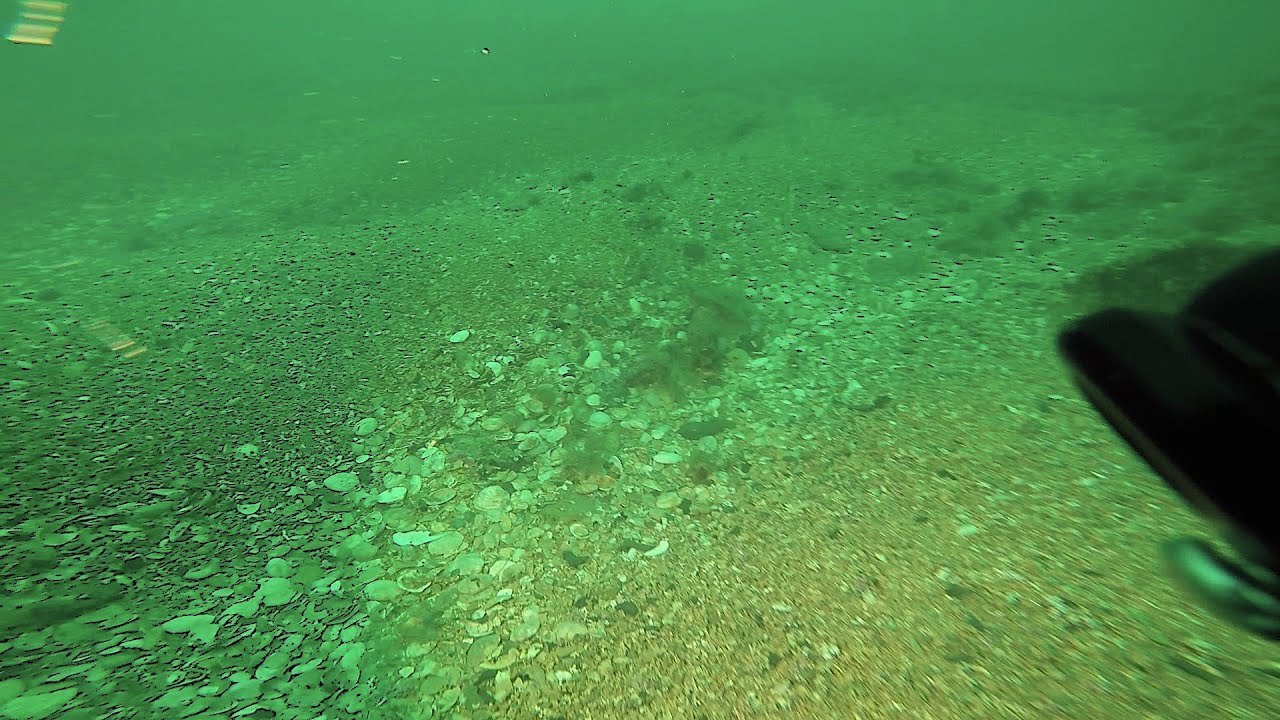
No two maerl beds are the same. This one is also a veneer on bedrock reef. It could be described as 'maerl sediment' as around 70% is maerl, live and dead. Less than 5% of the maerl the camera sees is alive, but if you dig in the megaripples, you find more live thalli. This is 'entrained' maerl, live thalli carried along in the mobile maerl sediment and re-exposed at regular intervals so remains alive. This bed appears to be in a stable state with the 'live' maerl component sustaining itself. But maerl grows very slowly, so how would we know? Because of the entrained maerl, the % of maerl here is greater than just a visual survey might suggest. Is this important? This video looks at this bed and asks a lot of questions about maerl in the UK/NE Europe context. Why don't we know the answers? Ecology is complicated, full of subtle but powerful interrelationships between species and environmental factors. There are feedback loops and homeostases. You can't understand how ecology works without basic data. Why do we not have basic data? Is it because getting the data is incredibly expensive?
Maerl is increasingly acknowledged to be an important community modifier and biodiversity resource including for commercially important species like scallops. It is also of huge (and currently unknown) importance for long-term storage of carbon. Because it stores CO2 as calcium carbonate (mostly) and CaCO3 is biologically inactive, so storage by maerl is about as close as you can get to 'sequestration' by a plant.
We also suggest some terminology for describing maerl shapes. Within each species, we know that maerl shows great environmental plasticity. But we can't say for certain in the field what species an individual thallus is. It needs lab work to say for certain. Might it be possible to do lab work to 'ground truth' a single bed? If we had a bed where there were 2 species with species 1 all 'nubbies' and species 2 all 'twiglets', that would be enlightening. Or if nubbies and twiglets in that bed were all the same species, could we find out if the two shapes behave hydrodynamically differently? Is that important? I know of beds that are all twiglets, one I think is all nubbies (it's covered in a silt veneer so it's difficult to be absolutely sure without going to dive it and investigate specifically) and one off Pladda that is all 'medallions'. Then there is the St Mawes bed in Falmouth that has huge numbers of satsuma-sized round nubbly maerl balls that are all triploid. (Maerl is usually diploid). Are different shapes of the same species different ecotypes? What species are all the coralline crusts on this site?
Are there any species on this site that are dependent on live maerl? There are plenty on beautiful 'pukka pink' 3-D maerl beds. Any species here that need dead maerl?
It took 60 minutes to shoot all the video of this site and take all the still pictures. The dive was an exploration to find out what was on that site. One whole day was taken up to catch the boat, do 2 dives and then drive home. It will have taken about half a day to download and view all the pics and video, and clean off all the camera gear and dive gear. It took most of a day to bash this video together, and it's far from 'broadcast quality'. What resources are needed to get the answers I think we need from this single maerl bed? Is it important that we know? How clearly does the pink live maerl stand out in the excellent (for Dorset) visibility? The dead and subfossil maerl is hard to spot - the macro shots from the DSLR are needed. Would a remote survey (towed video, drop-down stills) spot this as a maerl bed at all, or would it go down as 'sand and gravel' sediment in waves? Is that important?
This maerl bed looks nothing like beds in the Fal, in Lamlash Bay and off Pladda in Scotland. Or other beds off Dorset, some of which are all subfossil maerl like this one: • Maerl, A Drift Dive off Dancing Ledge Whe... recorded on a drift that covered a kilometre of similar habitat.
Natural England's 2023 research report 'A Categorisation System for Maerl Beds', Axelsson laid some groundwork for describing maerl beds and using suggested categories to aid comparisons. It can be found here: https://publications.naturalengland.o...
The wee fish is a female Guillet's goby. She's about 6mm long. The species is likely under-recorded due to it s small size (24mm max.) and excellent camouflage.
Повторяем попытку...
Доступные форматы для скачивания:
Скачать видео
-
Информация по загрузке: