Why You Should Have a Zoom Lens or Two in Your Photography Bag - Lesson 8
Автор: Nick Stubbs
Загружено: 2025-06-21
Просмотров: 64
Описание:
Zoom lenses, if nothing else, are highly practical. There are times when you simply don’t have the luxury of being able to manoeuvre about and take your time with a prime (fixed focal length) lens.
Take a wedding for example
There you are, trapped in a small corner of the church during the ceremony and want to stay inconspicuous. If you have a prime (50mm, 70mm or 100mm) lens and a high resolution (45mp+) lens, you may be able to shoot where you are and crop into the image in post.
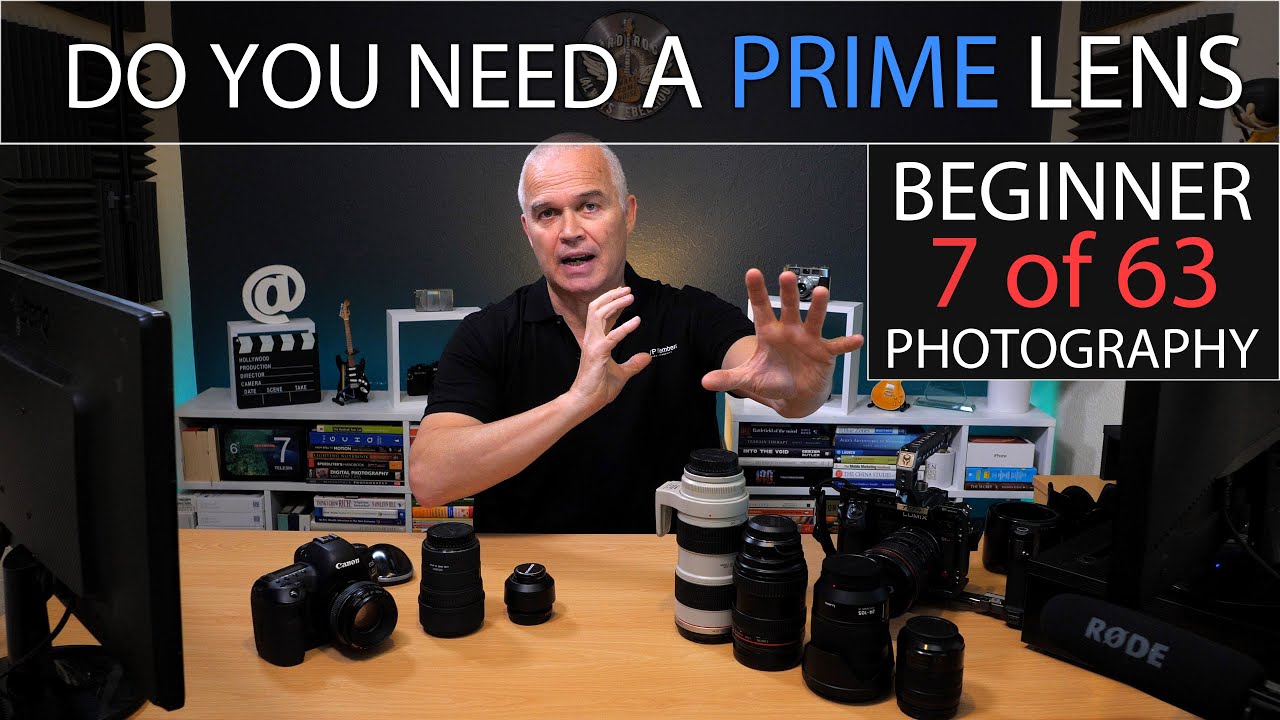
However, a 70-200mm f2.8 lens is perfect for weddings. In fact having two camera bodies, one with a 24-70mm f2.8 lens and another with the 70-200 f2.8 lens on and you are sorted. That combination has worked well for me at weddings for many years.
Downsides to a zoom lens
The two main things to think about when buying a zoom lens are cost and weight. A decent 70-200mm f2.8 lens can cost around £2,000 and weigh about 1.5kg.
Another caveat is to be aware of the limitations of a cheaper zoom lens.
Fixed aperture
My Canon EF70-200mm IS f2.8 has a fixed aperture through the range of 70mm to 200mm. A cheaper 70-200mm zoom lens will have aperture markings such as f3.5-f5.6.
That means the aperture will change automatically without you having any control depending on the light and the focal length. In the example lens above, when at 70mm, the aperture will be widest at f3.5. However, when you zoom to 200mm, that widest aperture will automatically shut down to f5.6 letting LESS light in.
I have seen people quiz themselves as to why their wedding photos got darker as they zoomed in whilst photographing in the church. It’s because the aperture closed without them realising.
This doesn’t happen with a fixed f2.8 zoom. You can shoot anywhere between 70mm and 200mm and stay at f2.8 letting the maximum light in. Lovely.
What zoom lens would I recommend?
The most used zoom lens for many photographers would be the 24-70mm f2.8. You have a decent wide angle at 24mm which is good for property photography, group shots at weddings and landscapes. The 70mm is good for portraits and headshots. A great “walkaround” lens for everyday use. That would be the first investment I would recommend.
Next depends on your photography. If you are a real estate or landscape photographer, I would opt for a 16-35mm f2.8 lens. Super wide at 16mm which I use a LOT for property shoots. The 35mm also comes in handy for properties as landscapes. Great lens.
If you like sports, wildlife or wedding photography, go for a 70-200mm f2.8 lens. The 70mm is perfect for bridal portraits, standard portraits and pet photos. The 200mm end is great for urban or “relatively tame” wildlife, weddings where you stealthily pick out your subjects and sports photography.
If your budget allows, you can higher end lenses. Starting with, for example, a Sigma 100-400mm f5-f6.3. Sigma are one of the best alternatives to native lenses (Canon, Nikon, Sony etc). Go up a notch and you can look at the stunning £20k! Canon EF600mm f4L II lens.
Perhaps a bit overkill for the novice. Just buy the 100-400 and 1.4x converter : )
If your budget is tight, there are cheaper alternatives to the first three lenses but with a widest aperture of f4 as opposed to f2.8. To be honest, the difference in image quality isn’t huge but the difference in cost can be!
Повторяем попытку...

Доступные форматы для скачивания:
Скачать видео
-
Информация по загрузке: