Who Really Controls Paratransit? Power, Unions, and Informal Governance - C1M2E4
Автор: UrbanHistory
Загружено: 2026-01-05
Просмотров: 25
Описание:
Many people describe paratransit as chaotic or unregulated, but this video argues there's an unseen "hierarchy" and order to it. I explore how millions of people use these systems daily for their "urban mobility", highlighting various forms of "public transportation" and bustling city scenes. This look into the underlying structure challenges common perceptions of "transportation" and "urban planning" in many cities.
#paratransit #informaltransportation #publictransport #matatu #matatuculture #nairobi #kenya #cairo #microbus #tuktuk #vietnam #urbanhistory #urbanization #urbantransportation #southeastasia #jeepney #manila #angkotbogor #angkot #gojekindonesia #gojek
C1M2E4
Course 1 (Urban transportation in developing countries) - Module 2 (Informal and Paratransit Systems Theme: The heartbeat of daily transport in the Global South) - Episode 4
The Core Power Structure: Owner → Driver → Passenger
Across Africa and Asia, paratransit almost always follows a basic pyramid:At the top: Vehicle owners
Own one vehicle or dozens
Often not drivers themselves
Collect daily payments (“target” or “rent”)
In the middle: Drivers and conductors
Pay a fixed daily amount to the owner
Keep whatever they earn beyond that
Work long hours under intense pressure
At the bottom: Passengers
Choose routes and vehicles
Apply pressure through demand
Leave instantly if service fails
Route Control: Territory Is Everything
Routes are the most valuable asset in paratransit.
And no — anyone cannot just show up and start operating.
Routes are controlled by:
Associations Unions Cooperatives
Informal “route bosses”
Sometimes political actors
Operating on the wrong route without permission leads to:
fines
vehicle damage
confiscation of keysexclusion
occasionally, physical intimidation
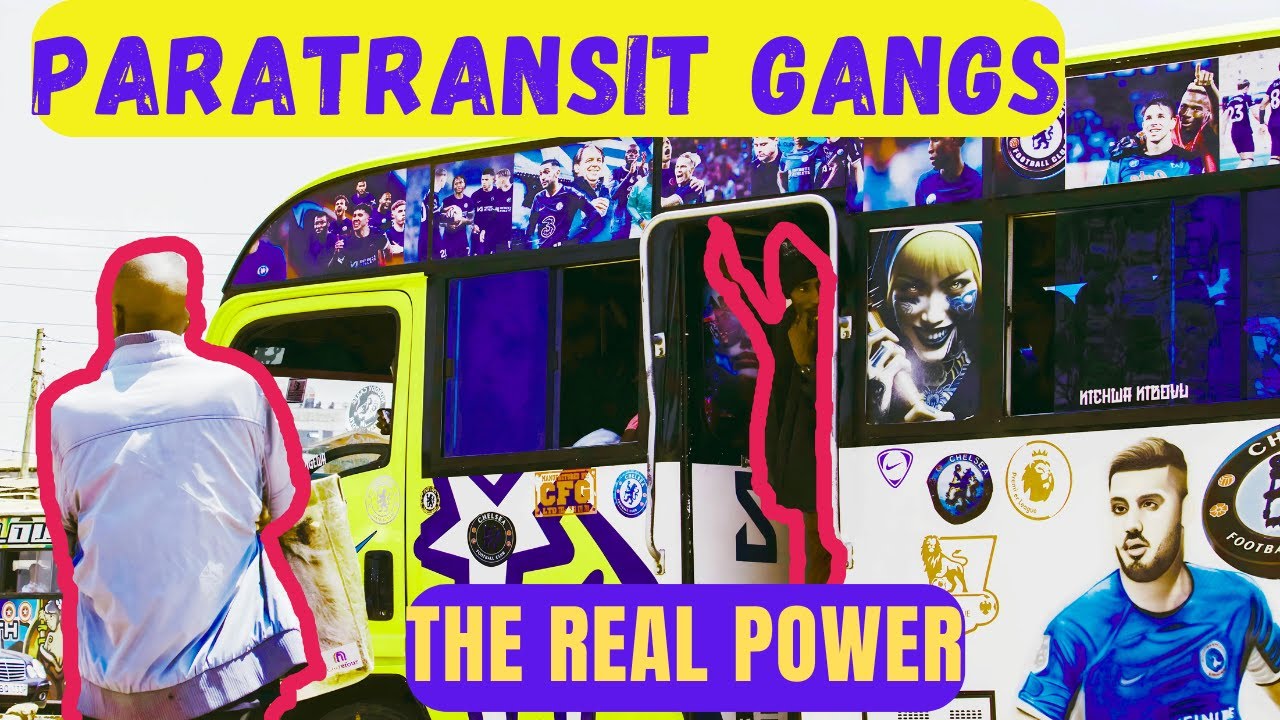
Nairobi: Matatu SACCOs — Organized Chaos at Scale
In Nairobi, matatus are governed by SACCOs (Savings and Credit Cooperative Organizations).
Each SACCO:
Controls specific routes
Registers vehiclesEnforces behavior rules
Collects fees
Negotiates with police and authorities
A matatu driver doesn’t answer to the city —they answer to their SACCO.
Rules may include:
dress code
music volume limits
operating hours
route discipline
contribution to fines or accidents
Cairo: The Route Boss System
In Cairo, shared microbuses operate under route-based informal hierarchies.
Each route typically has:
senior driversa recognized “line leader”
agreed fare levels
shared knowledge of stops
New drivers must:
get permission
pay entry fees
earn acceptance
Southeast Asia: Associations, Gangs, and Apps
Southeast Asia offers a wide spectrum of informal control models.
Thailand
Songthaew routes controlled by local associations
City-level agreements
Informal quotas
Strong territorial discipline
Philippines
Jeepney federations control corridors
Political connections
Leaders negotiate fuel subsidies and regulationsIndonesia
Angkot routes historically controlled by strongmen and cooperatives
Later absorbed into app-based platforms
Vietnam
Motorcycle taxi stands governed by local groups
App platforms partially replaced physical control
Enforcement Without Police
One of the most fascinating aspects of informal governance is enforcement.
Enforcement tools include peer pressure, exclusion, informal fines, route denial, and reputational damage. A driver who behaves recklessly may:
lose access to passengers, be barred from terminals, be reported internally
Why Governments Misread Power
Governments often assume paratransit is fragmented, operators are weak, and control is minimal.
So they try:
top-down bans, sudden reforms, license crackdowns
And are shocked when protests erupt, strikes paralyze cities, enforcement fails, and vehicles reappear the next day.
Paratransit Unions Are Political Actors
In many cities, paratransit unions mobilize voters, fund campaigns, influence elections, and negotiate directly with ministers.
In Manila, jeepney federations have shut down Metro Manila multiple times.
In Nairobi, matatu groups influence urban transport debates.
In Lagos, danfo unions negotiate daily with traffic police.
The Passenger’s Role: Silent but Powerful
Passengers also govern the system.
They enforce:
service quality
pricing norms
speed expectations
Drivers who skip stops, overcharge, or behave badly quickly lose riders.
Violence, Protection, and Reality
Some paratransit systems involve:
intimidation, gang control, corruption, collusion with police
This governance persists. Informal governance survives because it solves problems the state often doesn't: route coordination, dispute resolution, workforce discipline, financial risk sharing, and rapid adaptation.
What Happens When Governments Ignore This Power?
Successful cities negotiate with associations, co-design reforms, and integrate leaders into planning. Unsuccessful cities try to replace paratransit overnight, lose political capital, and fail publicly.
Повторяем попытку...
Доступные форматы для скачивания:
Скачать видео
-
Информация по загрузке:


