Diagnosing a Skoda Octavia’s High Idle Revs and DPF Troubles
Автор: O'Rileys Autos
Загружено: 2025-09-05
Просмотров: 20429
Описание:
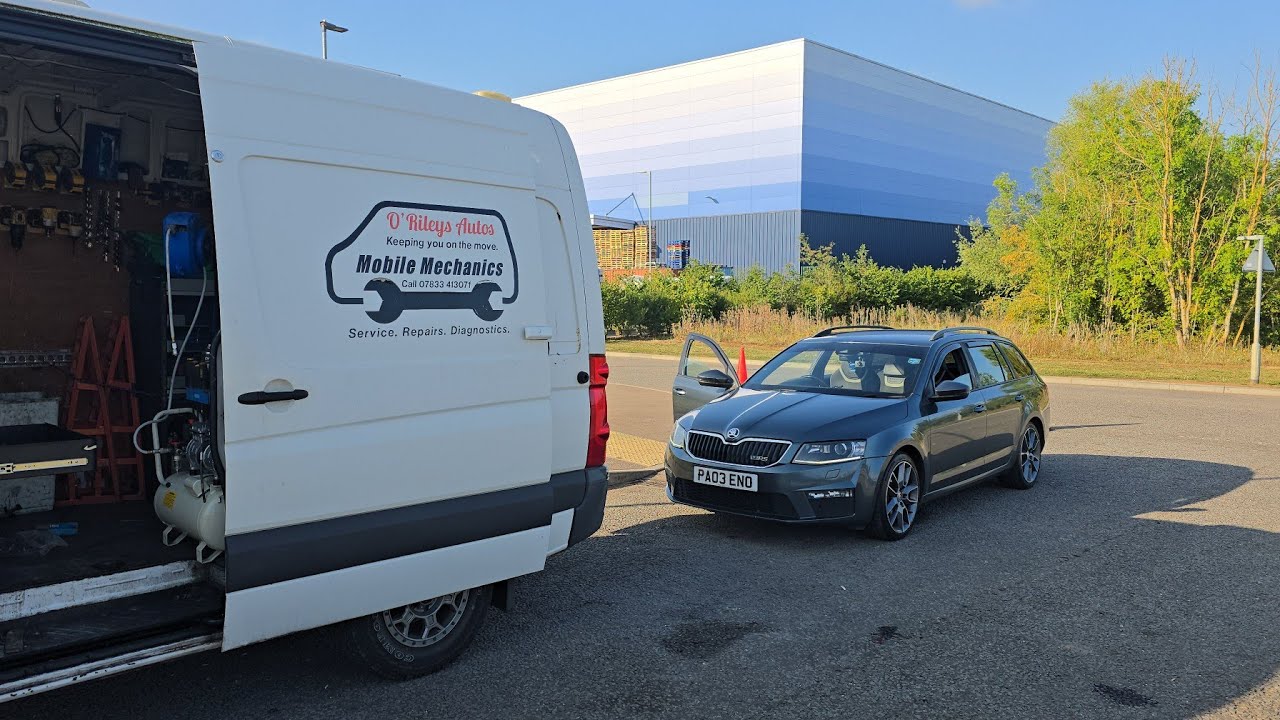
A Skoda Octavia arrived with a puzzling issue: after starting the engine and driving just a short distance, the revs climbed unexpectedly to around 1,000 RPM. The owner thought the car was constantly performing regeneration on the Diesel Particulate Filter (DPF). Having visited three garages and a mobile mechanic, the problem remained unresolved despite numerous repairs. These included three forced regens, several sensor replacements, a new charge cooler, turbo, and even a new battery. Yet, no one could pinpoint the root cause.
Why a Worn DPF Causes High Revs and Regeneration
The DPF traps soot from exhaust gases to reduce pollution. When it gets clogged, the car triggers regeneration—a process that burns off accumulated soot. During this, the engine revs rise to increase exhaust temperature.
Normally, after regen finishes, the pressure in the DPF should drop significantly. Think of it like a clogged pipe flowing freely again once cleared. In this Octavia, the pressure would only fall slightly, not enough to end regen. This caused the car to repeatedly try and clean the DPF, keeping revs high.
Different Cars, Different Fault Codes
Not all cars behave the same when the DPF is blocked. Some will show fault codes or warning lights straight away. Others, like this Skoda Octavia, show no warning at all, despite clear issues. This comes down to how the vehicle's software interprets sensor signals, making proper diagnostics essential beyond relying on dash lights.
DPF differential pressure
Soot load (both measured and calculated)
Regeneration status
This scan helps confirm if the DPF is the real culprit behind the symptoms.
DPF Pressure and Soot Load: What the Data Shows
The pressure levels were clearly too high. Despite a recent regen, the DPF pressure remained elevated, pointing to a damaged filter—possibly full of ash or melted. The gap between calculated soot (what the car thinks is inside) and measured soot (derived from pressure) told a similar story.
Confirming Regeneration is Causing High Revs
Driving the car a short distance made the revs rise to around 1,000 RPM, matching the owner’s complaint. Meanwhile, the exhaust temperature soared past 600°C, signalling active regeneration.
It was important to rule out low voltage issues causing the high revs, which can happen with weak batteries or alternators.
Battery and Smart Alternator: A Brief Explanation
Modern cars like this Octavia use smart alternators that manage charging loads. If the battery is weak, the engine holds higher revs to boost charging. However, since the battery had been replaced recently, this was ruled out as a cause. This highlights how faulty assumptions can lead to unnecessary parts being swapped.
Trying a DPF Cleaning Fluid with Acid
To see if clearing the blockage chemically could help, a mixture of DPF cleaner fluid combined with a mild acid (like patio cleaner) was injected into the exhaust.
The cleaning steps were:
Disconnect the pressure sensor temporarily
Connect the cleaning fluid hose to the DPF pipe
Hold engine revs to circulate the fluid
Observe smoke levels during cleaning
The process produced a lot of smoke, indicating soot loosening inside the filter.
Results After Cleaning and Test Drive
After cleaning, the DPF pressure did drop from 54 to 42 millibars, and soot grams also fell. However, the pressure remained above a safe level. Encouragingly, the regen frequency dropped dramatically—from every 2 km to no regen over 25 km test drives
The engine ran smoother and with fewer high idle revs, but the data still pointed to a DPF that needed replacement.
Considering Mileage and DPF Life
With 167,000 miles on the clock, this Skoda’s DPF was nearing the end of its usable life. Over time, ash buildup and wear inside the DPF reduce its effectiveness. Regular checks become important past this mileage to avoid long-term damage or costly repairs.
No Fault Codes Despite Major Issues
One unusual aspect was the complete lack of fault codes or warning lights on the dash, even with very high DPF pressure. This depends heavily on the car’s software programming. It shows why relying only on error codes can be risky and why detailed diagnostics are crucial for diesel engines.
Smoke Testing for Boost Leaks
To rule out other contributing faults, a smoke test was done to check for any boost leaks—which might affect turbo performance and cause symptoms like the ones seen. The test confirmed there were no leaks to complicate the diagnosis.
Final Diagnosis and Recommendations
The evidence shows the DPF is either damaged or heavily worn and will need replacing to fully resolve the problem. The cleaning was a useful temporary fix but won’t restore the filter completely.
Before replacing the DPF, it’s sensible to have the fuel injectors tested, although in this case, defective injectors were unlikely.
Повторяем попытку...
Доступные форматы для скачивания:
Скачать видео
-
Информация по загрузке:












![Dieselpartikelfilter wechseln - Skoda Superb [TUTORIAL]](https://imager.clipsaver.ru/Ut_C0MNW4FY/max.jpg)