You’re Forecasting Supercells WRONG (Here’s Why)
Загружено: 2025-10-16
Просмотров: 21196
Описание:
Join Our Discord Community: / discord
FREE Chaser Safety Ebook: https://stormchasercoaching.com/eight...
FREE Dixie Alley Ebook: https://stormchasercoaching.com/dixie...
Follow Storm Chaser Coaching on Twitter: https://x.com/TornadoCoaching
Follow Trey on Twitter: https://x.com/convchronicles
In this video preview from the Navigation Foundations training module, @ConvectiveChronicles teaches how to identify and forecast different types of supercells using radar and atmospheric soundings. Viewers will learn to interpret hodographs, storm-relative winds, and inflow patterns to anticipate storm structure and safely plan their chase strategies.
00:00 Classic Supercells Explained — Structure, Wall Clouds & Radar Hook Echo
01:55 High-Precipitation (HP) Supercells — Visual Hazards & Kidney-Bean Radar Signatures
03:40 Forecasting Supercell Type Using Atmospheric Soundings & Hodographs
05:36 Storm-Relative Winds — How Mid & Upper-Level Flow Shapes Supercells
07:32 Wind Speed Thresholds Above 6 km — LP vs. Classic vs. HP Supercell Environments
09:10 Truncated Hodographs & Weak Winds Aloft — Identifying HP-Dominant Setups
09:41 Veering vs. Backing Winds — How Hodograph Shape Predicts Precipitation Venting
11:25 Supercell Structure Modeling — Matching Hodograph Curvature to Radar Appearance
12:09 Mini Supercells — When Weak Low-Level Inflow Creates Smaller, Low-Precipitation Storms
13:44 Storm-Relative Inflow (0–1 km) — Diagnosing Supercell Size & Mini-Supercell Potential
14:09 Putting It All Together — Forecast Logic for Real-World Chasing
In this detailed preview from the Navigation Foundations training module, Trey Greenwood breaks down how to identify and forecast the main types of supercells—classic, high-precipitation (HP), and low-precipitation (LP)—by combining visual cues, radar interpretation, and atmospheric analysis.
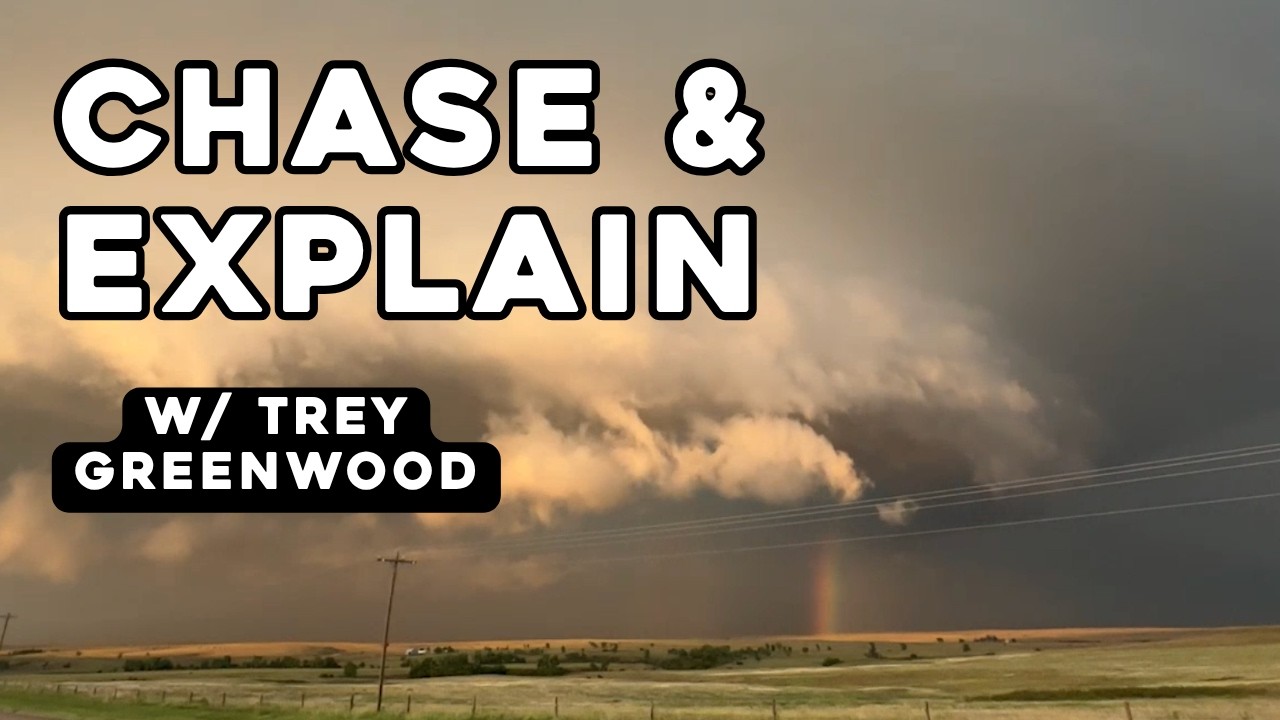
The lesson begins with the classic supercell, emphasizing its signature rain-free updraft base and separated precipitation core. Trey explains how these storms often feature a rotating wall cloud beneath the updraft that can evolve into a tornado, making them both visually striking and easier to analyze on radar. He contrasts this with the HP supercell, where torrential rain and hail obscure the updraft and make it difficult to distinguish storm features. Despite their visual grandeur, HP storms are challenging to chase safely because critical regions like the wall cloud and mesocyclone are hidden in heavy precipitation.
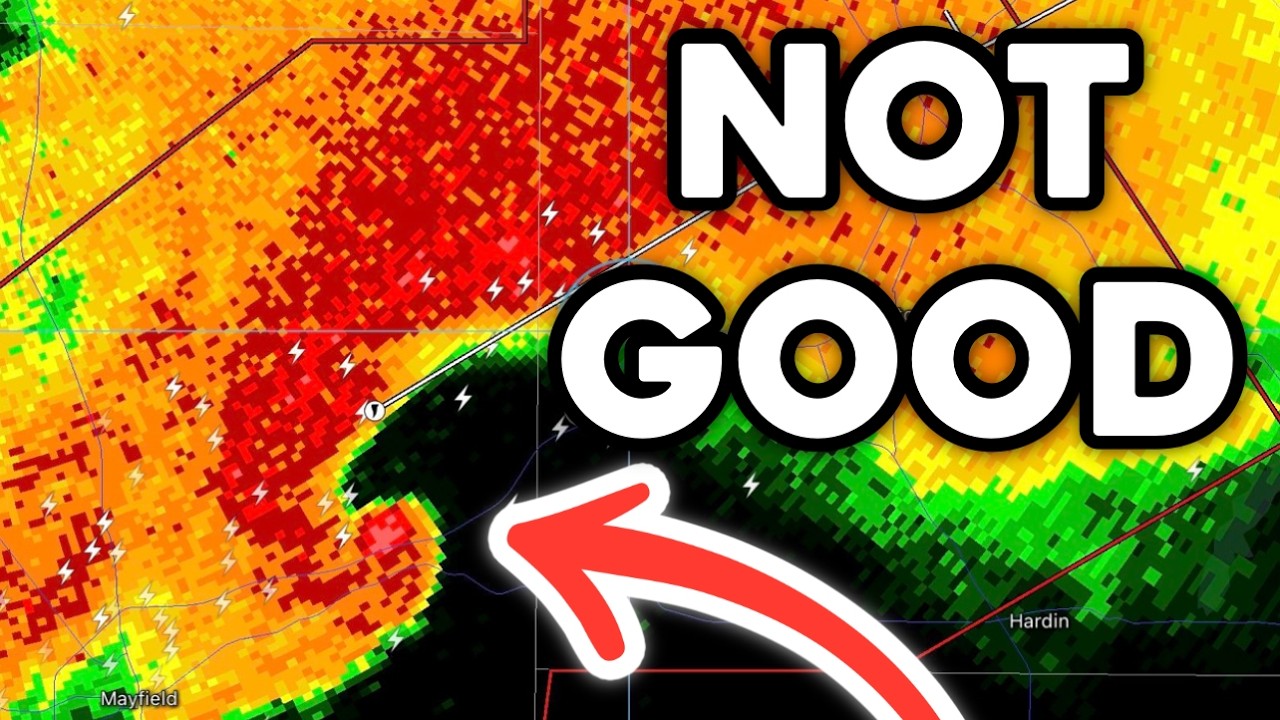
The discussion then transitions to radar structure, showing how HP storms often take on a “kidney bean” shape with an obscured hook echo, while LP and classic storms typically have a cleaner radar signature with a distinct inflow notch. Trey introduces forecast soundings and hodographs as tools for predicting what kind of supercell may form on a given day. By analyzing the shape and wind profile shown in a hodograph, chasers can anticipate how precipitation will be vented relative to the updraft. Strong mid- and upper-level storm-relative winds—generally above 40 knots—favor LP supercells by venting precipitation far from the updraft, while weaker winds—below 20 knots—tend to support HP structures.
He demonstrates how these relationships play out using examples of different hodograph configurations, emphasizing that the curvature of the wind profile with height—whether the winds “veer” or “back”—controls the shape and precipitation distribution of a storm. A hodograph that veers and then backs often indicates that precipitation will be vented away from the mesocyclone, creating a more visible LP-style structure. Conversely, a hodograph that only veers throughout the column typically results in precipitation being thrown ahead of the storm, producing an HP appearance.
Trey then introduces an important exception: the mini supercell. These smaller-scale storms share the same structure and hazards as their full-sized counterparts but are generally less intense and produce less precipitation. He explains that weak storm-relative inflow (less than 25 knots in the lowest kilometer) tends to favor the development of mini supercells, even in environments that might otherwise support HP storms. This nuance helps chasers anticipate storm type and safely plan their navigation and viewing positions during active chases.
By combining visual identification, radar interpretation, and atmospheric analysis, this module helps chasers understand not only what they’re seeing in the field but why storms look and behave the way they do.
#stormchasing #weather #supercell
Повторяем попытку...
Доступные форматы для скачивания:
Скачать видео
-
Информация по загрузке: