Psychology of People Who Never Post on Social Media
Автор: PsycheUnfold
Загружено: 2026-03-02
Просмотров: 125
Описание:
Psychology of People Who Never Post on Social Media
Think about the last time something genuinely good happened to you. A sunset that stopped you in your tracks. A meal so perfect it made you close your eyes. Now here's the question: was your first instinct to share it — or to hold it?
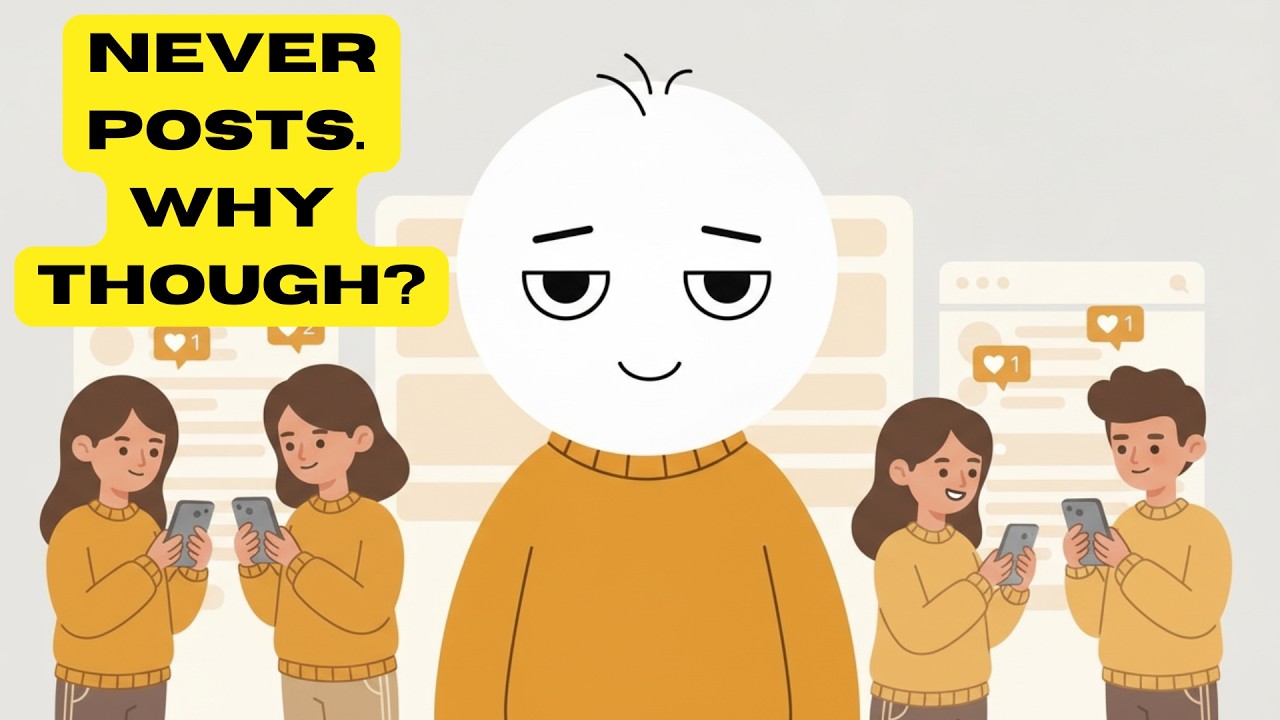
There is a quiet, growing population of people who move through social media like guests who never quite move in. They scroll. They follow. They like things occasionally. But post? Never. And the world has a lot of opinions about what that means.
Here's what the psychology actually shows — these people aren't absent from their lives. They're more present in them than most.
In this video we go inside the real psychology of people who never post on social media. We explore the peak-end rule and what it reveals about memory and experience, the identity science behind why certain people find self-presentation genuinely puzzling, the fascinating research on narcissism and social media that flips most assumptions completely upside down, the philosophical distinction between living a moment and narrating it, and Westin's privacy theory — which reframes privacy from hiding to self-determination.
━━━━━━━━━━━━━━━━━━━━━━━━━━━━━━━
⏱️ TIMESTAMPS
00:00 — The Question: Share It or Hold It?
00:45 — Who Are the People Who Never Post?
01:28 — What People Assume — and Why They're Backwards
02:10 — The Peak-End Rule: Protecting the Memory
03:00 — Identity Certainty and Impression Management
03:48 — The Narcissism Research That Flips Everything
04:30 — Experience vs. Narration: What Posting Actually Costs
05:20 — Virginia Woolf and the Cost of Telling
05:55 — Westin's Privacy Theory: Reserve as Self-Determination
06:40 — Visibility, Worth, and the Countercultural Framework
07:20 — The Sunset You Chose Not to Post
08:05 — Final Reflection and Comment Prompt
━━━━━━━━━━━━━━━━━━━━━━━━━━━━━━━
💬 Drop a comment: What's one experience you've had that you chose not to share — and why? I'd genuinely love to read them. 👇
━━━━━━━━━━━━━━━━━━━━━━━━━━━━━━━
📚 REFERENCES & RESEARCH
─────────────────────────────────
🔬 MEMORY & EXPERIENCE
· Kahneman, D. — Peak-End Rule. Foundational research on how experiences are remembered by their peak intensity and ending, not their totality. Basis for understanding why non-posters protect the depth of memory by keeping experiences unmediated.
· Henkel, L. A. (2014) — Point-and-Shoot Memories. Psychological Science, 25(2). Documents the "photo-taking impairment effect" — the finding that photographing objects reduces how deeply they are encoded in memory. Direct scientific basis for the memory-outsourcing discussion.
· Barasch, A., Diehl, K., Silverman, J., & Zauberman, G. (2017) — Photographic Memory. Journal of Personality and Social Psychology, 111(2). Extends the photo-taking research, showing that sharing photos further affects the quality of experiential memory and presence.
─────────────────────────────────
👤 IDENTITY & SELF-PRESENTATION
· Goffman, E. — The Presentation of Self in Everyday Life (1959). The original sociological framework for impression management — the ongoing performance of identity in social contexts. Social media industrialized what Goffman first mapped.
· Baumeister, R. F. (1982) — A Self-Presentational View of Social Phenomena. Psychological Bulletin, 91(1). Core academic framework for self-presentation motivation and the psychological cost of managing a public identity.
· Leary, M. R., & Kowalski, R. M. (1990) — Impression Management. Psychological Bulletin, 107(1). Expanded model of impression management covering both motivation and construction — directly applicable to social media self-presentation behavior.
─────────────────────────────────
🧠 NARCISSISM & SOCIAL MEDIA
· Twenge, J. M., & Campbell, W. K. — The Narcissism Epidemic (2009). Research connecting narcissistic traits to social media engagement, status-seeking, and the need for public validation.
· Buffardi, L. E., & Campbell, W. K. (2008) — Narcissism and Social Networking Web Sites. Personality and Social Psychology Bulletin, 34(10). Early empirical research directly linking narcissism scores to frequency and style of social media posting.
· Andreassen, C. S., Pallesen, S., & Griffiths, M. D. (2017) — The Relationship Between Addictive Use of Social Media, Narcissism, and Self-Esteem. Addictive Behaviors, 64. Documents the links between heavy social media use, narcissistic traits, and contingent self-esteem — the self-worth that rises and falls with feedback.
━━━━━━━━━━━━━━━━━━━━━━━━━━━━━━━
#SocialMediaPsychology #NeverPostOnSocialMedia #IntrovertPsychology #PrivacyPsychology #AuthenticLiving #PsychologyExplained #MindAndBrain #SelfAwareness #DigitalWellbeing #psycheunfold
Повторяем попытку...
Доступные форматы для скачивания:
Скачать видео
-
Информация по загрузке: