The Psychology of Serial Hobby Hoppers
Автор: PsycheUnfold
Загружено: 2026-03-04
Просмотров: 12
Описание:
The Psychology of Serial Hobby Hoppers
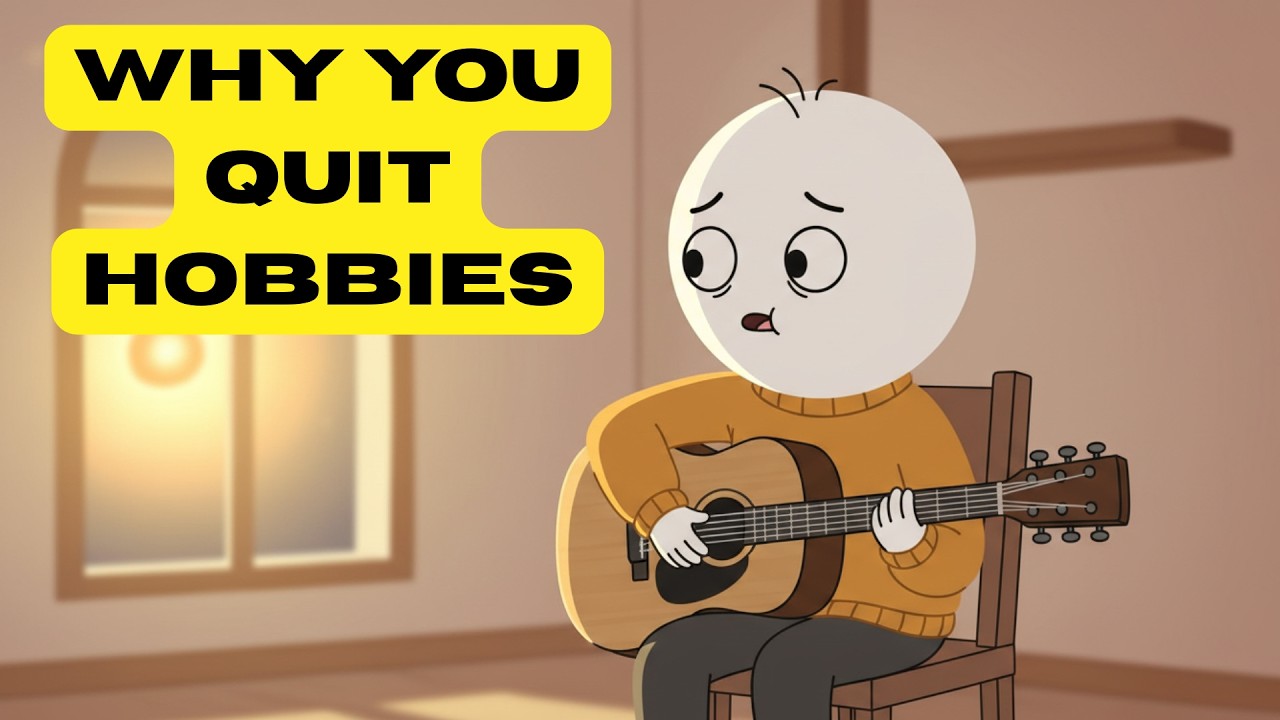
Somewhere in your home, there is evidence. A guitar that hasn't been touched since March. A sketchbook with twelve pages used and forty blank. A bread-making kit still in the box.
If that's you — this video is going to change how you see yourself.
The psychology of serial hobby hoppers is not a psychology of failure or flakiness. It's a psychology of a very specific, very interesting kind of mind. In this video we go inside the real science behind why certain people throw themselves completely into a new interest, ride it with genuine passion, and then move on — and why that pattern is not the character flaw the world tells you it is.
We explore the dopamine curve and why the learning phase is neurochemically addictive, the Big Five personality trait that explains the pattern completely, the surprising narcissism research that flips every assumption, what the multipotentialite framework reveals about people with many interests, the honest look at when the pattern serves you — and when it doesn't, and the landscape vs. tower reframe that changes everything.
If you've ever felt guilty about the hobbies you've abandoned, stay to the end. The closing reframe is the whole point.
━━━━━━━━━━━━━━━━━━━━━━━━━━━━━━━
⏱️ TIMESTAMPS
00:00 — The Evidence in Your Home
00:38 — What People Assume — and Why It's Backwards
01:15 — The Honeymoon Phase: What's Happening in Your Brain
02:05 — The Dopamine Curve and Why It Flattens
02:48 — Openness to Experience: A Personality Architecture
03:30 — Da Vinci, Darwin, Franklin — The Historical Case
04:18 — The Need for Cognition and "Too Easy" Discomfort
05:05 — The Multipotentialite: Building a Landscape Not a Tower
05:52 — The Portfolio of Rapid Skill Acquisition
06:35 — When the Pattern Causes Real Difficulty
07:18 — Naming It: The First Step to Choosing Differently
07:52 — What Every Hobby Left Behind
━━━━━━━━━━━━━━━━━━━━━━━━━━━━━━━
💬 Drop a comment: Which hobby did you pick up and put down — and what did it leave in you that you still carry? I'd genuinely love to read your answers. 👇
━━━━━━━━━━━━━━━━━━━━━━━━━━━━━━━
📚 REFERENCES & RESEARCH
─────────────────────────────────
🔬 DOPAMINE & NOVELTY NEUROSCIENCE
· Schultz, W. (1997) — A Neural Substrate of Prediction and Reward. Science, 275(5306). Foundational neuroscience on dopamine as a prediction and reward signal — the biological basis for why new skill acquisition triggers dopamine surges and why the signal fades as skills become routine.
· Barto, A. G. (1995) — Adaptive Critics and the Basal Ganglia. Basis for understanding how dopamine encodes novelty and prediction error — directly relevant to why the learning curve feels neurochemically different from the mastery plateau.
· Berridge, K. C., & Robinson, T. E. (1998) — What is the Role of Dopamine in Reward? Brain Research Reviews, 28(3). The wanting vs. liking distinction — dopamine drives anticipation and pursuit of novelty, not satisfaction in completion. Core to understanding why hobby hoppers chase beginnings.
─────────────────────────────────
👤 PERSONALITY: OPENNESS TO EXPERIENCE
· McCrae, R. R., & Costa, P. T. (1997) — Personality Trait Structure as a Human Universal. American Psychologist, 52(5). Establishes openness to experience as one of the Big Five personality traits — associated with intellectual curiosity, imaginative thinking, and low tolerance for repetition.
· DeYoung, C. G., Quilty, L. C., & Peterson, J. B. (2007) — Between Facets and Domains: 10 Aspects of the Big Five. Journal of Personality and Social Psychology, 93(5). Breaks openness into openness and intellect facets — both relevant to the hobby hopper's novelty appetite and cognitive engagement patterns.
· Digman, J. M. (1990) — Personality Structure: Emergence of the Five-Factor Model. Annual Review of Psychology, 41. The foundational review of the Big Five framework that positioned openness as the trait most associated with artistic and intellectual exploration.
─────────────────────────────────
🧠 NEED FOR COGNITION
· Cacioppo, J. T., & Petty, R. E. (1982) — The Need for Cognition. Journal of Personality and Social Psychology, 42(1). The original scale and framework for measuring the intrinsic drive to engage with complex, challenging ideas. Directly explains the hobby hopper's early-phase euphoria and discomfort with the plateau.
· Cacioppo, J. T., Petty, R. E., Feinstein, J. A., & Jarvis, W. B. G. (1996) — Dispositional Differences in Cognitive Motivation. Psychological Bulletin, 119(2). Extended research on how high need for cognition interacts with novelty, boredom, and the motivation to seek cognitive challenge.
─────────────────────────────────
━━━━━━━━━━━━━━━━━━━━━━━━━━━━━━━
#HobbyHopper #SerialHobbyist #PsychologyExplained #OpennessToExperience #Multipotentialite #NeedForCognition #DopaminePsychology #PersonalityPsychology #PolymathmMind
Повторяем попытку...
Доступные форматы для скачивания:
Скачать видео
-
Информация по загрузке: