The Psyche of Those Who Prefer Being Alone
Автор: PsycheUnfold
Загружено: 2026-02-21
Просмотров: 42
Описание:
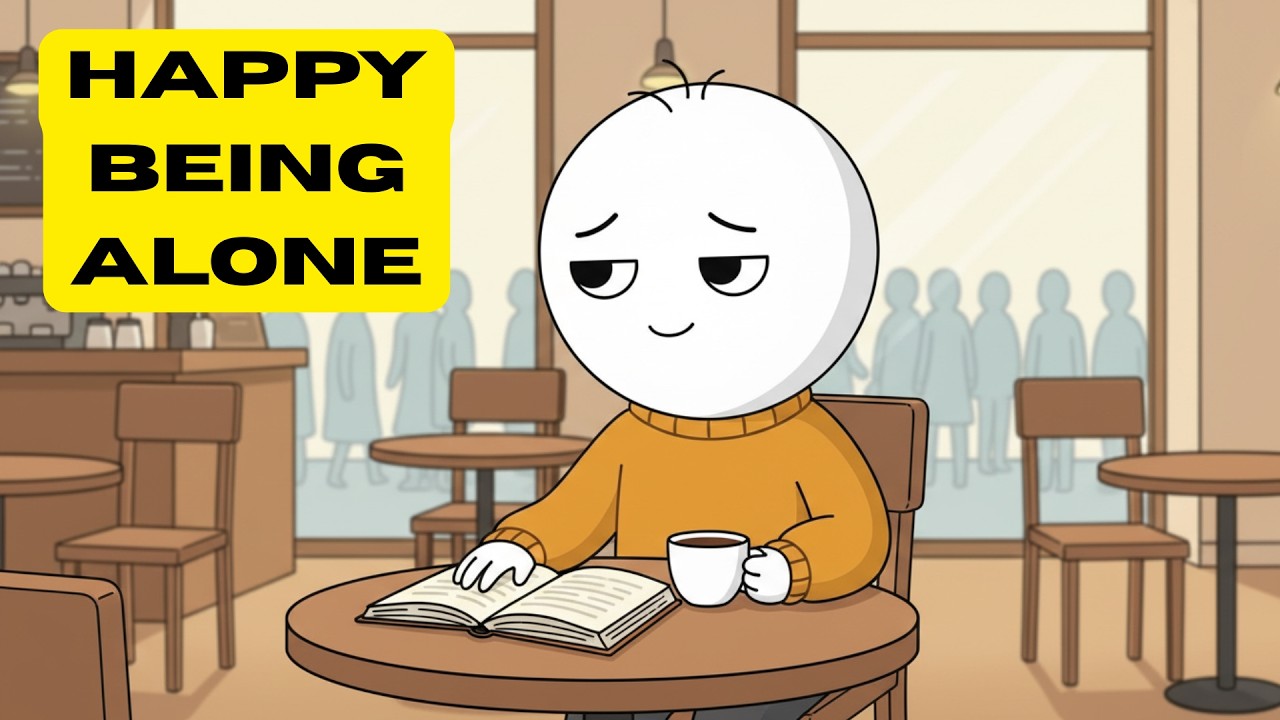
The Psyche of Those Who Prefer Being Alone
Do you feel a quiet wave of relief when plans get cancelled? Do you recharge in silence while the rest of the world seems to run on social fuel? You're not broken — you're just wired differently. And science has a lot to say about why.
In this video, we explore the psychology of people who genuinely prefer being alone — not out of shyness, not out of sadness, but because solitude is where they think, feel, create, and thrive. From the neuroscience of the prefrontal cortex to Howard Gardner's theory of intrapersonal intelligence, we break down exactly what's happening inside the minds of solitude-seekers — and why the world has been misreading them all along.
We also draw the critical line between chosen aloneness (a powerful psychological resource) and isolation driven by anxiety — because understanding the difference could change everything about how you see yourself or someone you love.
Whether you're someone who craves quiet, someone trying to understand a partner or friend who does, or somewhere in the beautiful middle — this one's for you.
🧠 What you'll learn in this video:
→ The neuroscience behind why some brains crave solitude
→ The difference between loneliness and aloneness
→ What intrapersonal intelligence really means
→ Why solitary people are often better in relationships
→ How to tell if your solitude is nourishing or avoidant
→ Why history's most brilliant minds needed to be alone
📌 Watch until the end — the last two minutes will shift how you see yourself.
━━━━━━━━━━━━━━━━━━━━━━━━━━━━━━━
⏱️ TIMESTAMPS
00:00 — Introduction: The Friday Night That Says Everything
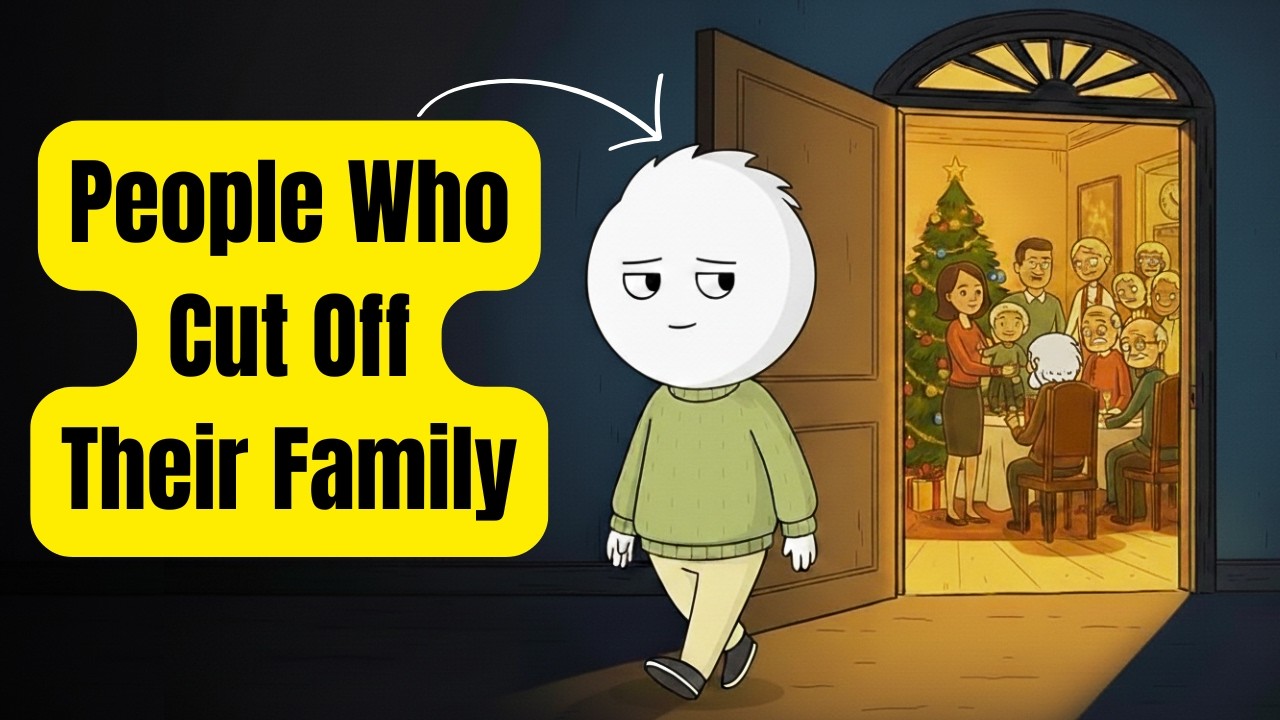
00:42 — What the World Gets Wrong About Preferring Solitude
01:28 — Loneliness vs. Aloneness: A Critical Distinction
02:15 — The Phone Battery Metaphor: How Social Energy Works
02:58 — Neuroscience of Solitude-Seekers: The Prefrontal Cortex
03:44 — Dopamine Sensitivity & Why Stimulation Feels Overwhelming
04:22 — Intrapersonal Intelligence: Living in Your Inner World
05:10 — The Courage It Takes to Be Alone in a Social World
05:48 — Einstein, Tesla & Frida Kahlo: Solitude as Fuel
06:31 — The Default Mode Network: Your Brain's Hidden Power
07:14 — Self-Knowledge & Better Relationships Through Solitude
07:52 — When Solitude Becomes Avoidance: The Important Nuance
08:29 — The Empowering Truth About Who You Really Are
09:05 — Final Reflection & Closing Thoughts
━━━━━━━━━━━━━━━━━━━━━━━━━━━━━━━
💬 Drop a comment: When you're alone, does it feel like REST or RESTLESSNESS? That answer says more than you think.
━━━━━━━━━━━━━━━━━━━━━━━━━━━━━━━
📚 REFERENCES & RESEARCH
The insights in this video are grounded in peer-reviewed psychology, neuroscience research, and the work of leading scholars in personality science, cognitive psychology, and social behavior. Below are the key studies, researchers, and theoretical frameworks referenced throughout.
─────────────────────────────────
🔬 1. INTROVERSION, SOLITUDE PREFERENCE & PERSONALITY SCIENCE
• Cain, S. (2012). Quiet: The Power of Introverts in a World That Can't Stop Talking. Crown Publishers. — One of the most comprehensive explorations of introversion in modern culture, drawing on decades of psychological research to demonstrate how solitude-seekers contribute uniquely to society, creativity, and leadership.
• Eysenck, H. J. (1967). The Biological Basis of Personality. Charles C. Thomas. — Eysenck's foundational arousal theory proposed that introverts have higher baseline cortical arousal, making them more sensitive to external stimulation — the neurological basis for why social settings can feel overwhelming to solitude-preferring individuals.
• Larson, R. W. (1997). The emergence of solitude as a constructive domain of experience in early adolescence. Child Development, 68(1), 80–93. — Larson's landmark study demonstrated that time spent alone, when self-chosen, is associated with improved mood, increased self-reflection, and psychological development — particularly during adolescence. This research was pivotal in challenging the assumption that aloneness is inherently negative.
─────────────────────────────────
─────────────────────────────────
⚠️ IMPORTANT NOTE: This video is for educational and informational purposes only and does not constitute clinical psychological advice. If you are experiencing distress related to isolation, anxiety, or difficulty connecting with others, please consider speaking with a licensed mental health professional.
━━━━━━━━━━━━━━━━━━━━━━━━━━━━━━━
#IntrovertPsychology #SolitudeScience #PreferBeingAlone #PsychologyExplained #IntrovertLife #MindAndBrain #SelfAwareness #EmotionalIntelligence #InnerWorld #psycheunfold
━━━━━━━━━━━━━━━━━━━━━━━━━━━━━━━
-
Повторяем попытку...
Доступные форматы для скачивания:
Скачать видео
-
Информация по загрузке: