Biamonti 236 Abbozzo in sol maggiore per il balletto Prometeo Op 43
Автор: Centro Ricerche Musicali Beethoveniane (C.R.M.B. )
Загружено: 2026-02-13
Просмотров: 29
Описание:
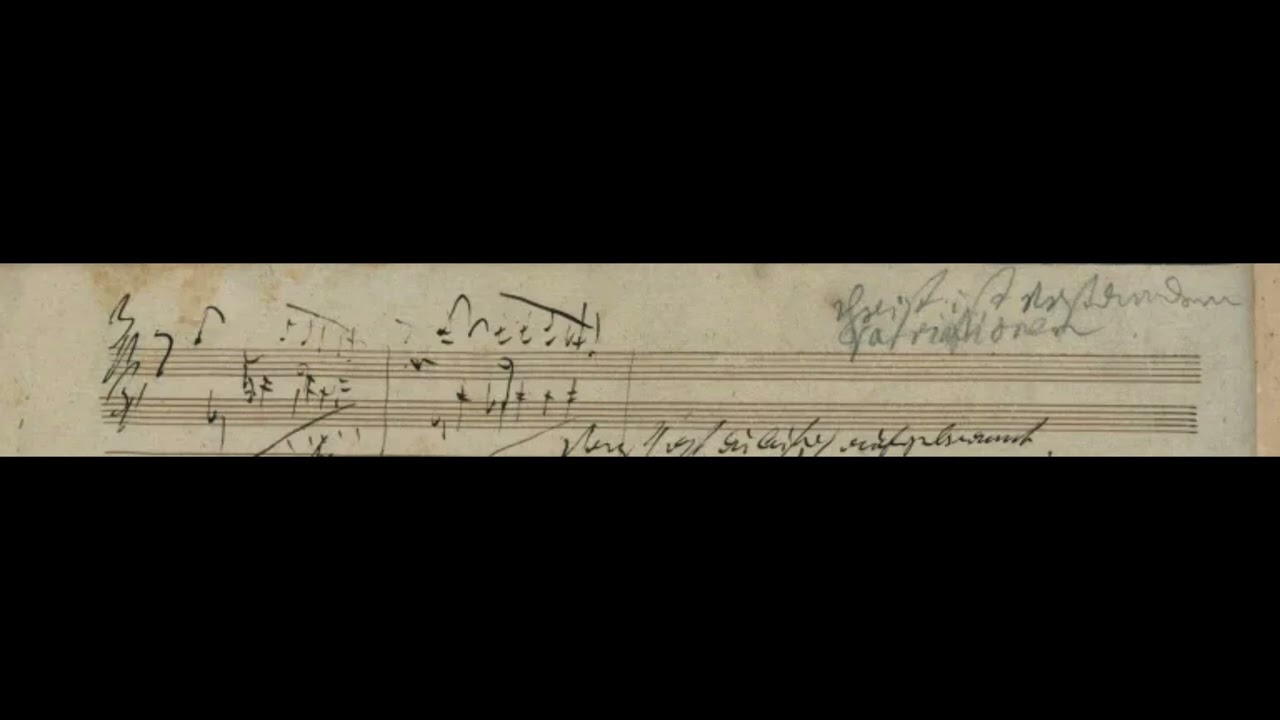
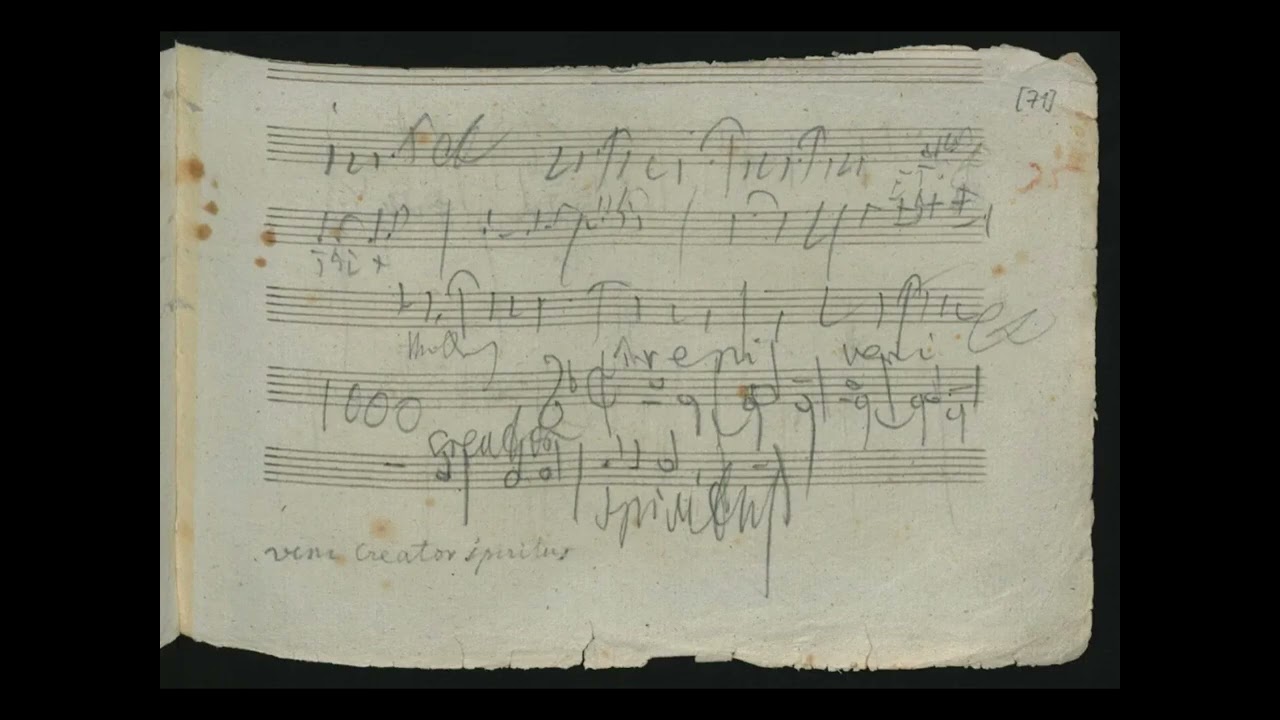
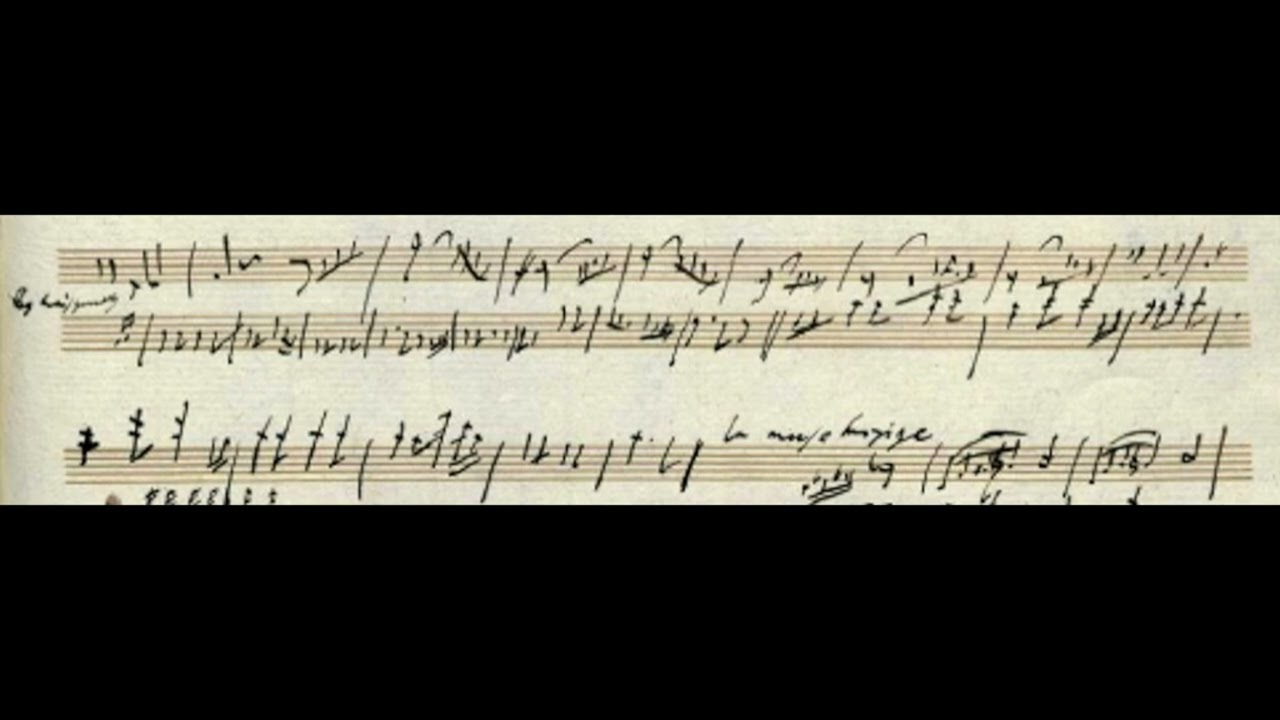
Biamonti 236 – Abbozzo (in sol maggiore), quaderno Landsberg 7, pagina 85, righe 6-7 battute 8/8. (Mikulicz pagina 77). (intitolato “Les trois Graces” sic!) 1800.
Così definito da Beethoven questo piccolo tema in 6/8 si trova a pagina 85 del Landsberg 7 ai righi 6 e 7 ed è seguito da un altro schizzo chiamato “la muse tragique”.
Mikulicz lo definisce “unbekannt” (sconosciuto) anche se lo mette in relazione, forse, alla quinta scena del balletto “le Creature di Prometeo” op. 43:
“Ora è il mondo parnassiano che si presenta in tutta la sua bellezza alle attonite creature. Nell ’Adagio gli strumenti a fiato di legno hanno una parte di primo piano, ed insieme con essi l’arpa, che in tutta l’opera musicale di Beethoven non farà, può dirsi, altra apparizione. Al cenno di Febo Euterpe , secondata da Anfione, mettesi a suonare, ed alle loro modulazioni i due giovinetti cominciano a dar segno di ragione, di riflessione, di vedere le bellezze della natura, di sentir umani affetti. Arione ed Orfeo rafforzano l’armonia colle loro cetere ed ultimamente il nume seco loro.” (vedere a questo proposito il nostro sito alla pagina riguardante l’ Opus 43)
Nella mia ipotetica versione, che non vuol essere altro che una proposta di quello che sarebbe potuto diventare nell’idea beethoveniana questo tema delle “3 Grazie”, ho usato il flauto e l’arpa accompagnati dagli archi come in una bucolica e parnassiana scena di stampo settecentesco.
-------------------------------------------------
Biamonti 236 – Sketch in G major, Landsberg 7 Notebook, Page 85, Lines 6–7, 8-bar structure (Mikulicz Page 77). Titled “Les trois Grâces” (sic!). 1800
As defined by Beethoven, this small theme in 6/8 time appears on page 85 of Landsberg 7, on lines 6 and 7, and is followed by another sketch titled “La Muse Tragique”. Mikulicz refers to it as “unbekannt” (unknown), although he perhaps associates it with the fifth scene of the ballet The Creatures of Prometheus, Op. 43. He describes it thus: “Now the Parnassian world reveals itself in all its splendour to the astonished creatures. In the Adagio, the wooden wind instruments play a prominent role, together with the harp, which, it can be said, will not appear again in all of Beethoven’s musical works. At Phoebus’s signal, with Euterpe, seconded by Amphion, they begin to play, and through their modulations the two young men begin to show signs of reason, reflection, the ability to appreciate the beauties of nature, and to feel human affections. Arion and Orpheus strengthen harmony with their harps, and in the end, the deity joins them.” (see our website on the page about Opus 43)
In my hypothetical version, which is merely a suggestion of how this “Three Graces” theme might have evolved in Beethoven’s mind, I have employed the flute and harp, accompanied by strings, in the manner of a bucolic and Parnassian 18th-century scene.
Повторяем попытку...
Доступные форматы для скачивания:
Скачать видео
-
Информация по загрузке: