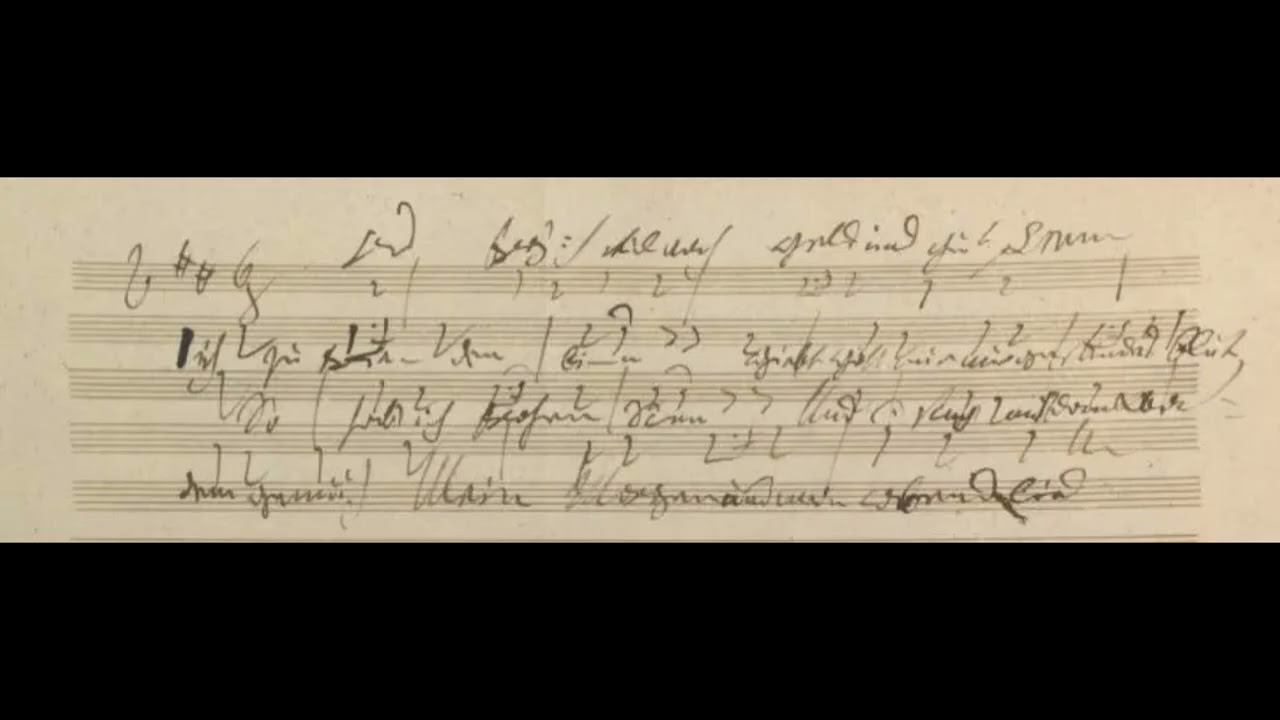
Biamonti 657 – “Christ ist Erstanden” Cristo è risorto, spunto di Inno. (Ricostruzione congetturale)
Автор: Centro Ricerche Musicali Beethoveniane (C.R.M.B. )
Загружено: 2026-01-11
Просмотров: 88
Описание:
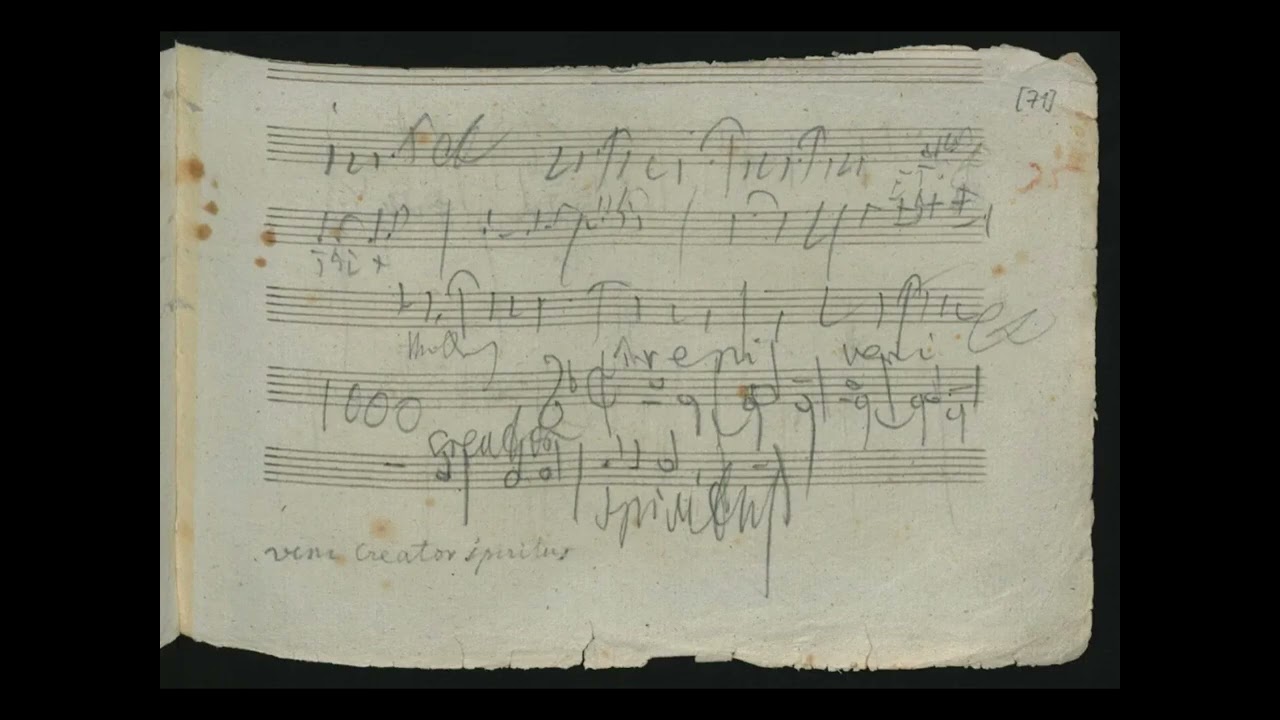
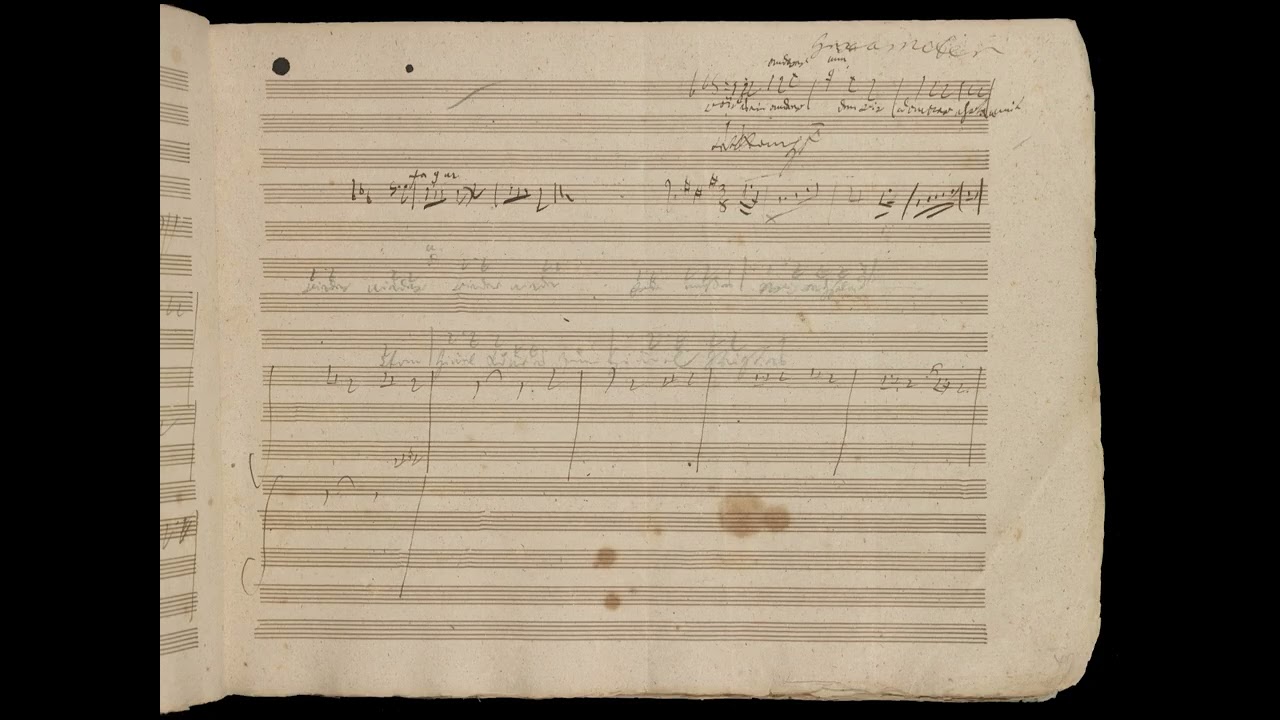
Biamonti 657 – “Christ ist Erstanden” (Cristo è risorto), spunto, con la annotazione “Christ ist Erstanden Variationen”, che si trova fra gli abbozzi della Sonata per pianoforte Opus 101, di cui al numero 656, novembre 1816. Così riportato da Nottebohm, II, pagina 555, il quale ne deduce che Beethoven: doveva pensare già ad una forma che avrebbe dovuto essere impiegata otto anni dopo nel quartetto Opus 132.
0:00 - Prima versione
2:05 - Seconda versione
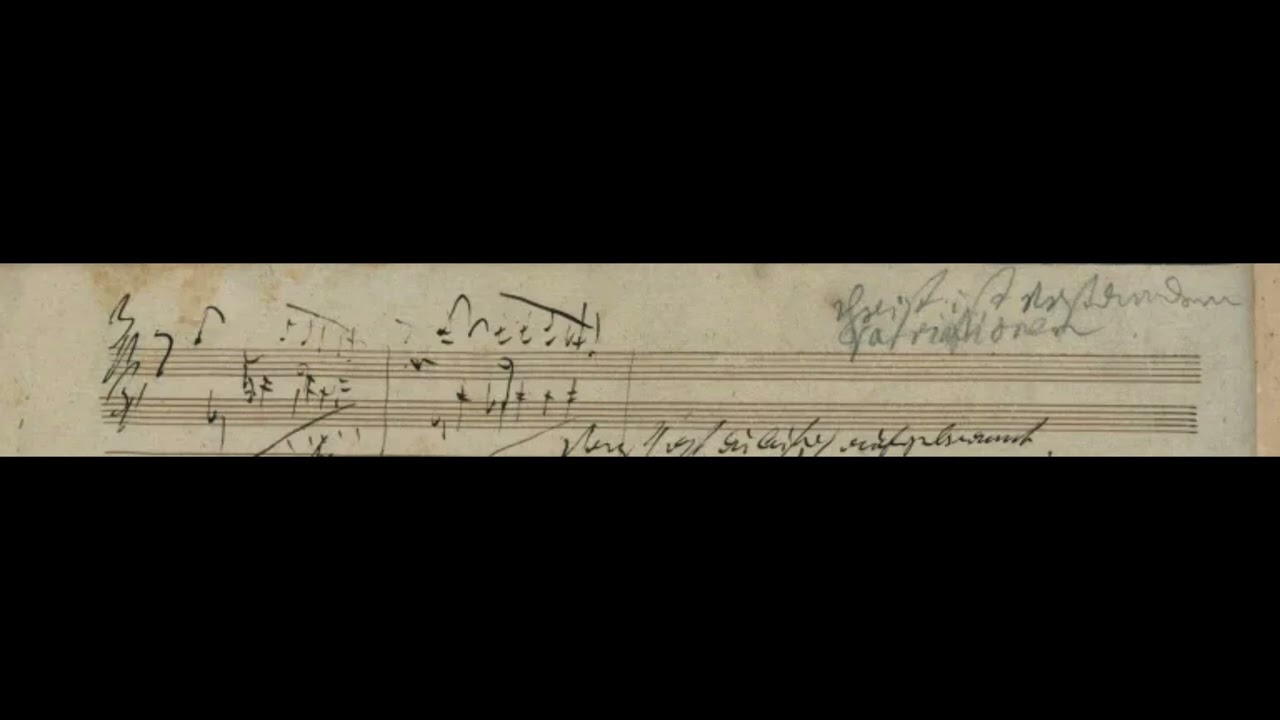
Il manoscritto in cui si trova questo abbozzo si trova a Berlino alla Biblioteca di Stato, Beethoven Autograph 11a, foglio 16-verso righi 1-2. Considerando il testo dell’Inno “Christ ist erstanden”, si potrebbe immaginare un Beethoven intento
a scrivere un brano per la Pasqua dell’anno seguente.
Così lo descrive Nottebohm (Zweite Beethoveniana – capitolo 59 pagina 555): “Anzuführen ist noch ein zwischen den Skizzen zum Sonaten-satz (S. 32) vorkommender Ansatz mit einer Bemerkung, bei der Beethoven an eine Form dachte, die ungefähr 8 Jahre später im Quartett in Amoll zur Anwendung kam” [Un altro approccio che appare tra gli schizzi per il movimento della sonata (p. 32) [Sonata per pianoforte op. 101] dovrebbe essere menzionato con un’osservazione in cui Beethoven aveva in mente una forma usata circa 8 anni dopo nel Quartetto in la minore (op. 132)] A proposito dell’Inno Liturgico su Wikipedia troviamo scritto: “Il canto pasquale “Cristo è risorto” è considerato il più antico canto liturgico sopravvissuto in lingua tedesca. Probabilmente deriva dalla cultura austro-tedesca meridionale ed è stato cantato dalla comunità intorno al 1100 come risposta.[…] È considerato l’epitome del motivo musicale pasquale.”
La melodia non corrisponde all’inno liturgico tramandato; si potrebbe ipotizzare che Beethoven abbia qui cercato una melodia che richiamasse l’inno, quasi una sua variazione più musicale, così come aveva in gioventù tentato con le varianti delle Unvollendete 20 “Lamentazioni di Geremia”, (pagina 96 recto del “Kafka Schizzenbuch”). e non di costruire una serie di variazioni pianistiche basate su quest’inno? Venendo poi all’analisi del manoscritto Nottebohm, nella prima battuta, alla melodia più acuta scrive un arpeggio discendente di do maggiore seguito, nella seconda battuta da uno di fa minore; in realtà Beethoven scrive “sol-sol-FA-mi-do” e poi “do-do-Sib [il bemolle è sottinteso]-lab-fa”. Naturalmente il “si” che troviamo alla mano sinistra sul secondo movimento della prima battuta sarà da considerarsi come “sib”, così come il “si” che troviamo alla mano destra alla seconda misura. Infine anche la figurazione alla seconda misura dovrà essere considerata uguale a quella della prima anche se in realtà manca la sincope.
---------------
Date: November 1816 Context: Found among the sketches for the Piano Sonata Opus 101 (see Biamonti 656). So reported by Nottebohm, Zweite Beethoveniana, Chapter 59, page 555, who deduces that Beethoven: “must already have been thinking of a form that he would later use eight years later in the Quartet Opus 132.” The manuscript containing this sketch is located in Berlin, at the State Library, Beethoven Autograph 11a, folio 16 verso, lines 1–2. Considering the text of the hymn Christ ist erstanden, one might imagine Beethoven engaged in composing a piece for Easter of the following year.
Nottebohm describes it as: “Anzuführen ist noch ein zwischen den Skizzen zum Sonaten-satz (S. 32) vorkommender Ansatz mit einer Bemerkung, bei der Beethoven an eine Form dachte, die ungefähr 8 Jahre später im Quartett in Amoll zur Anwendung kam” (“Another approach appearing among the sketches for the sonata movement (p. 32) [Sonata Op. 101] should be mentioned, with a remark in which Beethoven had in mind a form used about eight years later in the Quartet in A minor (Op. 132).”)
According to Wikipedia, the Easter hymn Christ ist erstanden is considered: “the oldest surviving liturgical song in the German language.” It likely derives from southern Austro-German culture, sung by the community around 1100 as a response. It is considered the epitome of the Easter musical motif.
The melody does not correspond to the transmitted liturgical hymn. It may be supposed that Beethoven was seeking a melody that evoked the hymn—almost a more musical variation of it—just as he had attempted in his youth with the variants of the Unvollendete 20 “Lamentations of Jeremiah” (page 96 recto of the Kafka Skizzenbuch), rather than constructing a set of piano variations based directly on the hymn.
Regarding the manuscript: In the first measure, Nottebohm notes a descending C major arpeggio, followed in the second measure by one in F minor. In reality, Beethoven writes: “G–G–F–E–C”, then “C–C–B♭–A♭–F”. The “B” in the left hand of the second beat of the first measure should be read as B♭, as should the “B” in the right hand of the second measure. The figuration in the second measure should be considered identical to the first, even though the syncopation is missing.
Повторяем попытку...
Доступные форматы для скачивания:
Скачать видео
-
Информация по загрузке: