Biamonti 194 – Komm mit, o Schöne, Lied per voci e trio di archi - Ricostruzione congetturale
Автор: Centro Ricerche Musicali Beethoveniane (C.R.M.B. )
Загружено: 2026-02-01
Просмотров: 38
Описание:
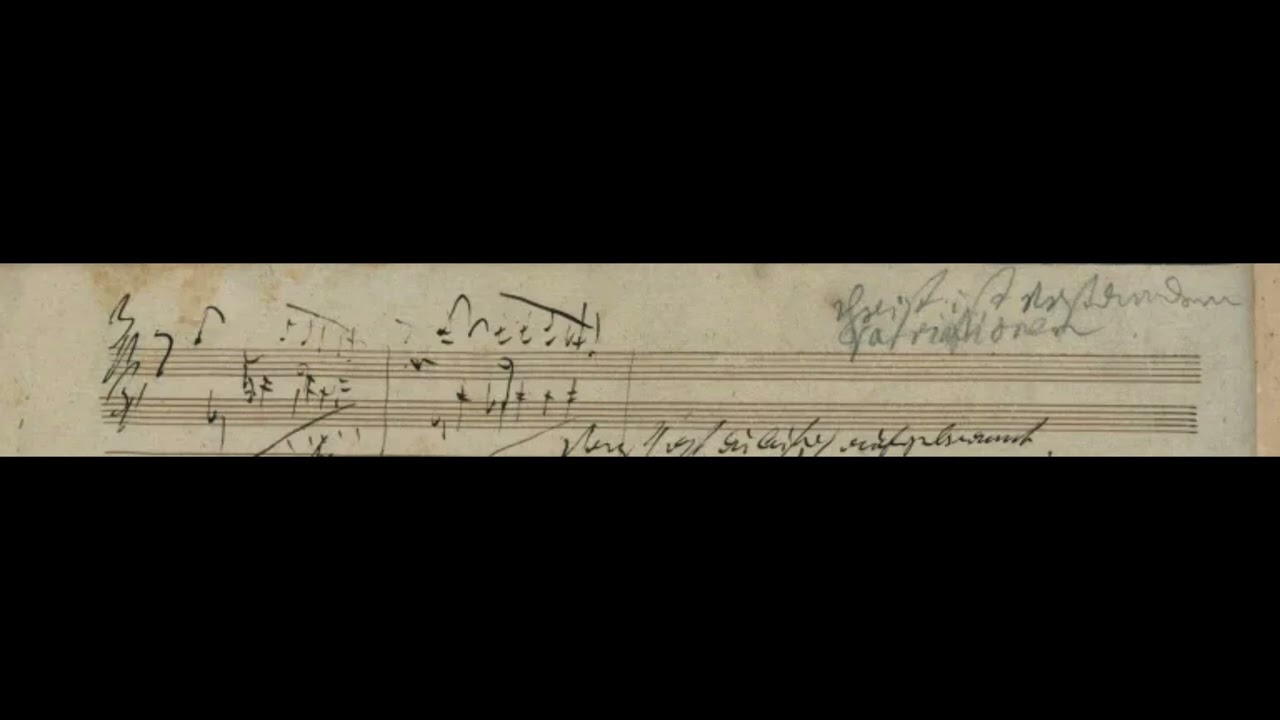
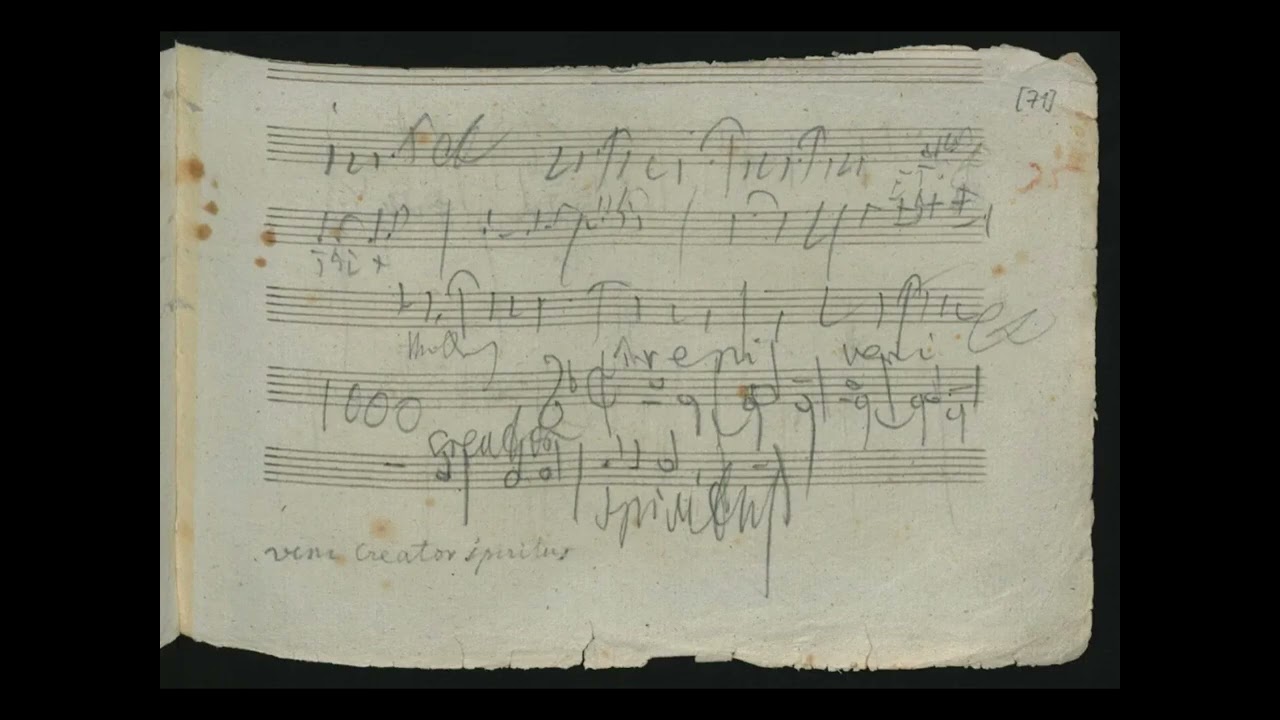
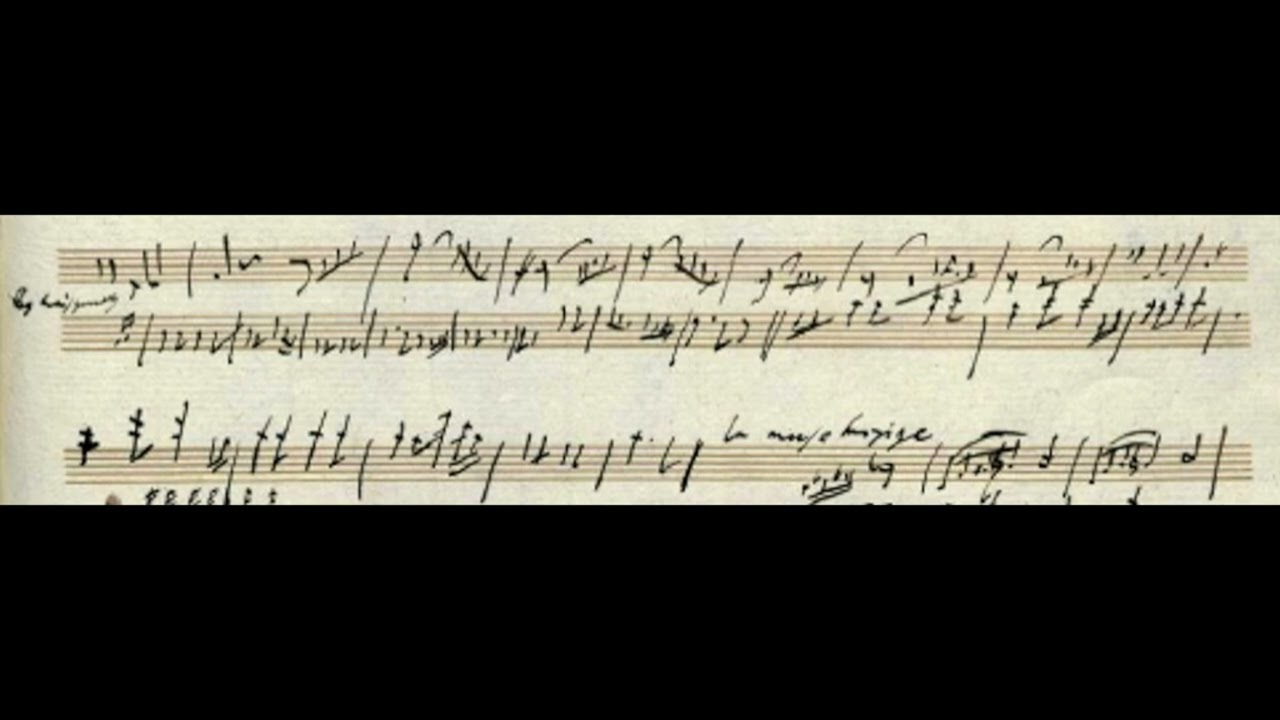
Biamonti 194 – “Komm mit, o Schöne”, (Vieni con me, bella). Abbozzo per la “Wechsellied zum Tänze” (Canzone alternata per la danza) di Goethe, seconda metà 1798 – 1799; secondo quaderno, pagina 31 (Nottebohm, II, pagina 486).
Si trova nel Quaderno di abbozzi denominato Grasnick 2, a pagina 31 righi 1-3.
Beethoven ha scritto solo l’abbozzo della melodia, praticamente completa, considerando anche il ritornello sottinteso delle prime 4 misure, che si intuisce dalla sovrapposizione delle prime 2 frasi del Lied e dalla conseguente vistosa cancellatura della seconda nelle successive 4 misure. Manca solo la ripetizione, richiesta dal testo goethiano, delle prime due righe del Lied che si può immaginare debba essere suonata ripetendo la melodia iniziale.
Biamonti, che non aveva potuto vedere il manoscritto originale, non sa della sovrapposizione dei testi nelle prime 4 misure per cui, dopo aver assegnato correttamente il testo alle prime 4 misure, prosegue limitandosi ad indicare solo la melodia.
Detta melodia, volutamente assai semplice, si basa su un arpeggio discendente e ascendente della triade della tonica seguito da quello, solo discendente, di dominante; rende comunque molto bene l’idea del testo goethiano nel quale troviamo un invito, anche un po’ scherzoso, ad una danza paesana rivolto alle ragazze del posto.
Wechsellied zum Tanze
Die Gleichgültigen:
Komm mit, o Schöne, komm mit mir zum Tanze;
Tanzen gehöret zum festlichen Tag.
Bist du mein Schatz nicht, so kannst du es werden,
Wirst du es nimmer, so tanzen wir doch.
Komm mit, o Schöne, komm mit mir zum Tanze;
Tanzen verherrlicht den festlichen Tag.
Die Zärtlichen:
Ohne dich, Liebste, was wären die Feste?
Ohne dich, Süße, was wäre der Tanz?
Wärst du mein Schatz nicht, so möcht ich nicht tanzen,
Bleibst du es immer, ist Leben ein Fest.
Ohne dich, Liebste, was wären die Feste?
Ohne dich, Süße, was wäre der Tanz?
Die Gleichgültigen:
Laß sie nur lieben, und laß du uns tanzen!
Schmachtende Liebe vermeidet den Tanz.
Schlingen wir fröhlich den drehenden Reihen,
Schleichen die andern zum dämmernden Wald.
Laß sie nur lieben, und laß du uns tanzen!
Schmachtende Liebe Vermeidet den Tanz.
Die Zärtlichen:
Laß sie sich drehen, und laß du uns wandeln!
Wandeln der Liebe ist himmlischer Tanz.
Amor, der nahe, der höret sie spotten,
Rächet sich einmal, und rächet sich bald.
Laß sie sich drehen, und laß du uns wandeln!
Wandeln der Liebe ist himmlischer Tanz.
Considerando che questo Lied, dal titolo originale “Wechsellied zum Tanze”, probabilmente sarebbe da suonare alternando la parte cantata con dei ritornelli solo strumentali, ho provato ad orchestrarlo con l’aggiunta i 2 violini e basso e ad inserire tra la strofa 2 e la strofa 3 un minuetto con Trio originale per poi riprendere il Lied accompagnato.
----
Biamonti 194 – “Komm mit, o Schöne”, (Come with me, beautiful). Sketch for Goethe’s “Wechsellied zum Tänze” (Alternate Song for Dance), second half of 1798 – 1799; second notebook, page 31 (Nottebohm, II, page 486).
It can be found in the Sketchbook called Grasnick 2, on page 31 lines 1-3.Beethoven wrote only the sketch of the melody, practically complete, also considering the implied refrain of the first 4 measures, which can be guessed from the overlapping of the first 2 phrases of the Lied and the consequent conspicuous erasure of the second in the next 4 measures. All that is missing is the repetition, required by Goethe’s text, of the first two lines of the Lied which can be imagined to be played by repeating the initial melody. Biamonti, who had not been able to see the original manuscript, does not know about the overlapping of the texts in the first 4 measures so, after correctly assigning the text to the first 4 measures, he continues to limit himself to indicating only the melody. This melody, deliberately very simple, is based on a descending and ascending arpeggio of the tonic triad followed by the dominant one, only descending; however, it gives a very good idea of Goethe’s text in which we find an invitation, even a little joking, to a village dance addressed to local girls.
Considering that this Lied, with the original title “Wechsellied zum Tanze”, would probably be played alternating the sung part with instrumental choruses, I tried to orchestrate it with the addition of the 2 violins and bass and to insert between verse 2 and verse 3 a minuet with an original Trio and then resume the accompanied Lied.
Повторяем попытку...

Доступные форматы для скачивания:
Скачать видео
-
Информация по загрузке:

![Tariq Harb performs Bach's Toccata and Fugue, BWV 565 [with TABS]](https://imager.clipsaver.ru/og2b-LwTk6Q/max.jpg)