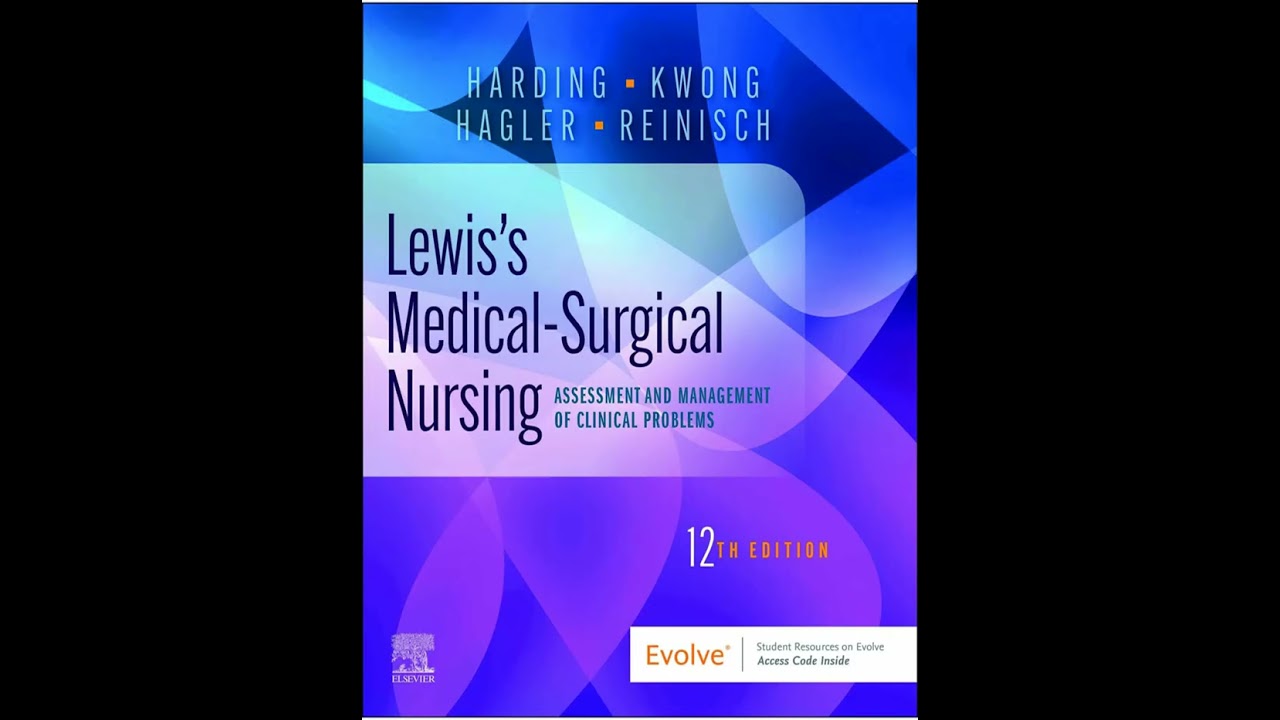
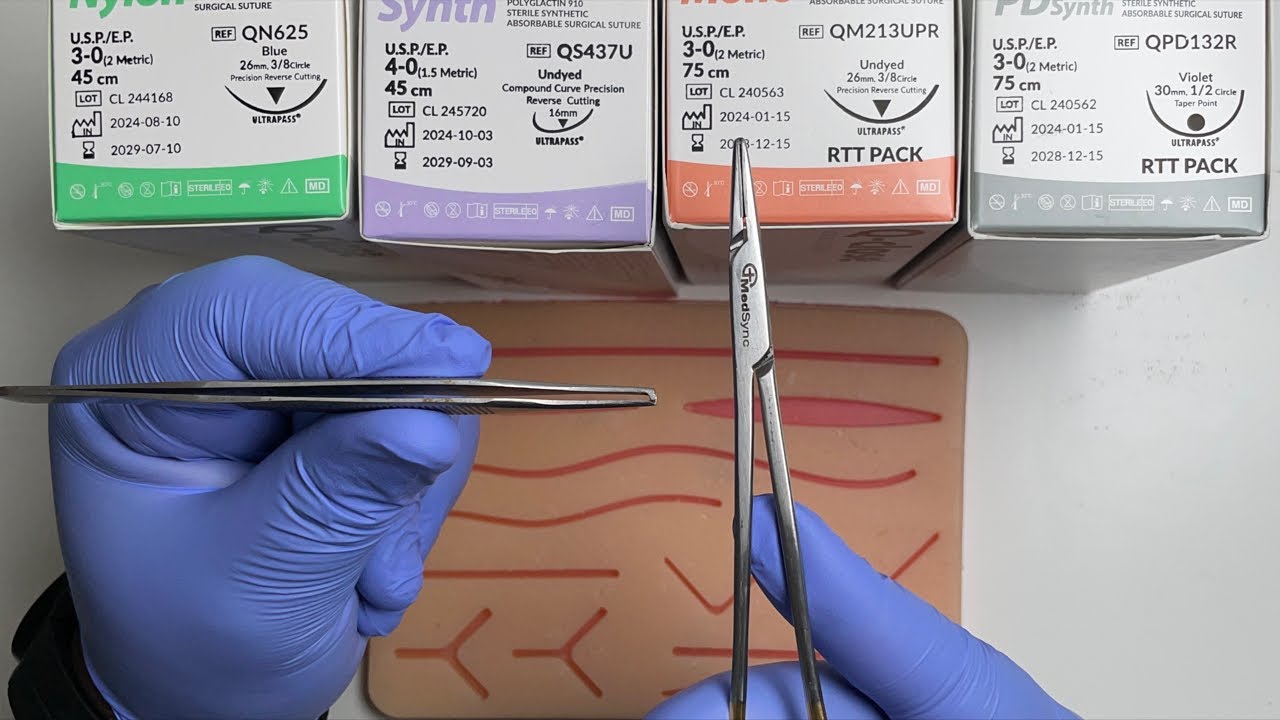
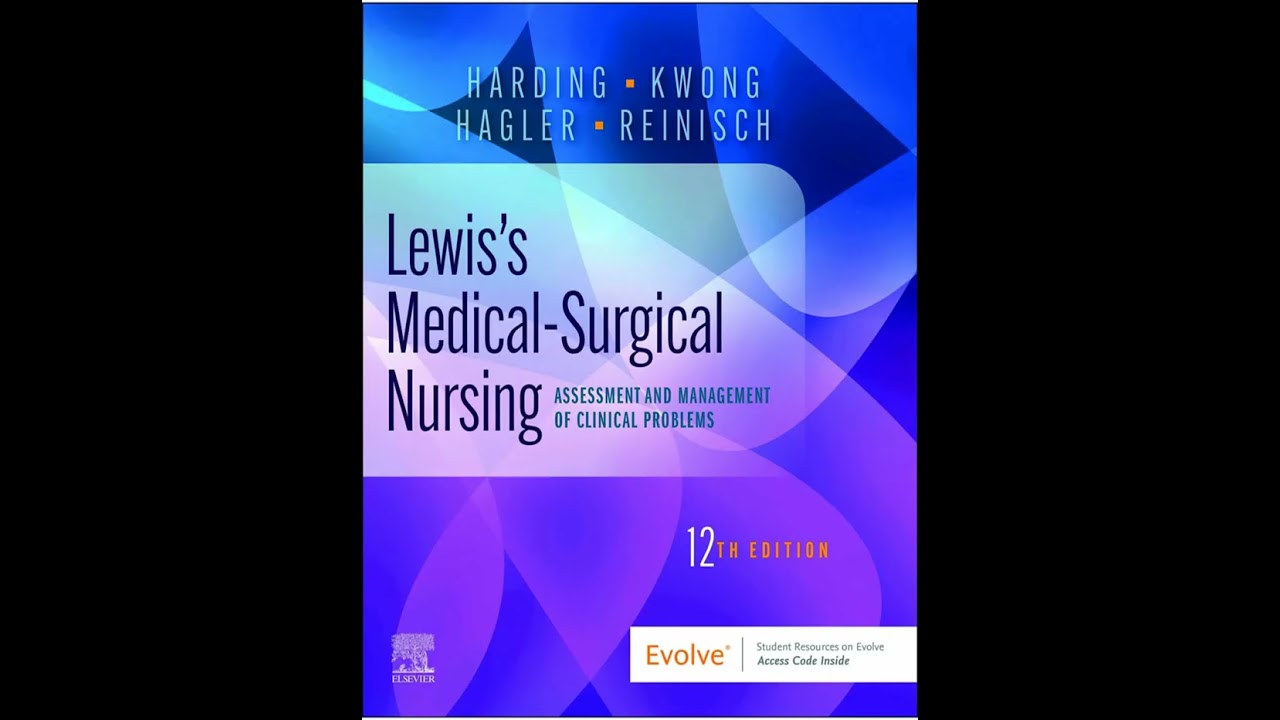
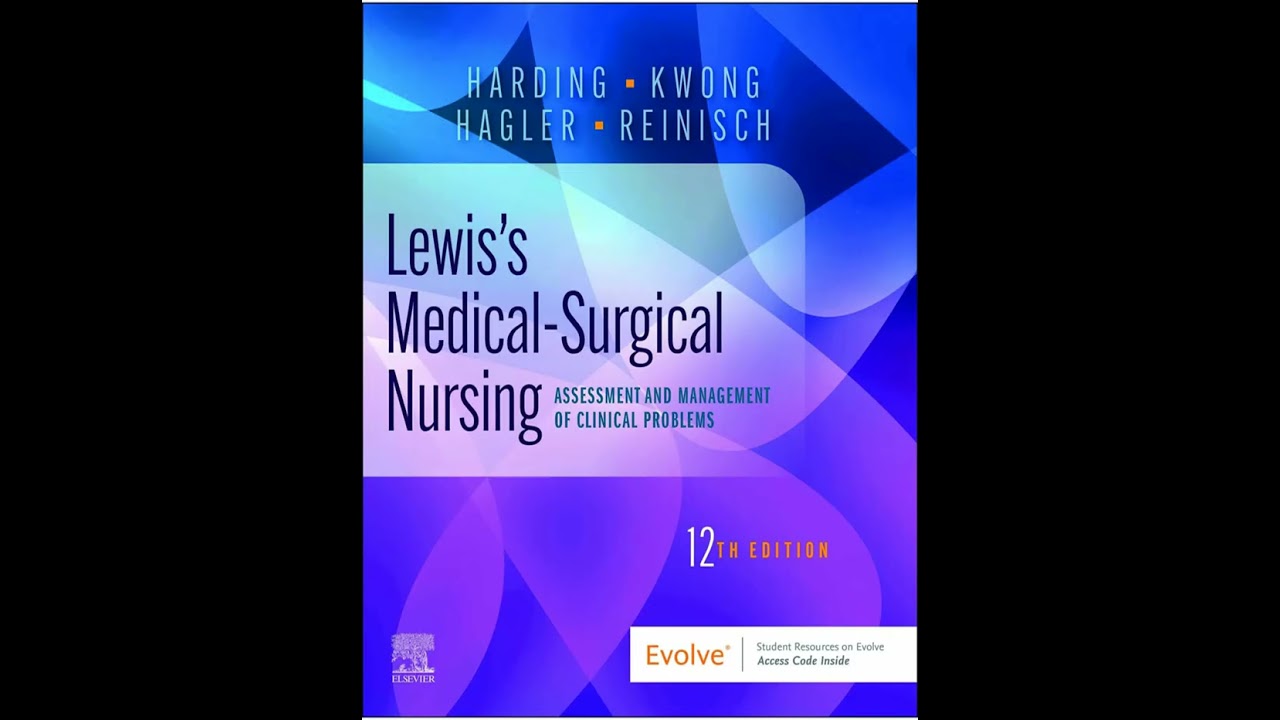
Intraoperative Nursing Care | Chapter 19 – Lewis’s Medical-Surgical Nursing (12th)
Автор: Last Minute Lecture
Загружено: 2025-08-27
Просмотров: 593
Описание:
Chapter 19 of Lewis’s Medical-Surgical Nursing (12th Edition) explains the principles, environment, roles, and safety measures of intraoperative care, with a strong emphasis on the nurse’s role as patient advocate during surgery. The operating room (OR) is described as a highly controlled environment divided into unrestricted, semirestricted, and restricted zones, designed to minimize infection and ensure sterile workflow. ORs are equipped with positive-pressure airflow, controlled temperature and humidity, ultraviolet lighting, and strict cleaning protocols to reduce cross-contamination.
The chapter reviews the surgical team and their responsibilities:
👩⚕️ Perioperative Nurse (Circulating Nurse & Scrub Nurse) – provides advocacy, safety, asepsis, communication, documentation, and sterile field management.
🧑⚕️ Surgeon and Surgical Assistant – perform the procedure, ensure informed consent, and direct intraoperative care.
🤝 Registered Nurse First Assistant (RNFA) – assists with hemostasis, suturing, and exposure of the surgical field.
💉 Anesthesia Care Provider (ACP) – includes anesthesiologists, CRNAs, and anesthesiologist assistants, responsible for anesthesia, airway, hemodynamic stability, and pain control.
🔧 Surgical Technologists & LPN/VNs – may assist under RN supervision.
Nursing management during intraoperative care includes:
✨ Room Preparation – ensuring sterility, counting instruments, and preparing equipment.
🛏️ Patient Transfer & Positioning – protecting skin, nerves, airway, and circulation while preventing injury (supine, prone, lithotomy, lateral, sitting).
🧼 Scrubbing, Gowning, and Gloving – maintaining asepsis to prevent contamination.
🧴 Surgical Site Prep – using antiseptics, sterile draping, and infection-prevention techniques.
⚡ Safety Protocols – using grounding pads for electrosurgery, preventing surgical fires, applying SCIP measures (antibiotics, warming, VTE prophylaxis), and following the WHO Surgical Safety Checklist with a “time out” to verify patient, site, and procedure.
📢 Communication – using SBAR and standardized handoffs to minimize error.
Anesthesia techniques are explained:
💉 General Anesthesia – loss of sensation and consciousness, airway control, muscle relaxation, and amnesia. Uses IV induction agents, inhalation gases, and adjuncts (opioids, benzodiazepines, neuromuscular blockers, antiemetics).
💤 Moderate Sedation – anxiolysis and analgesia outside the OR (e.g., ED procedures).
👀 Monitored Anesthesia Care (MAC) – sedation with ACP monitoring, may transition to general anesthesia.
📍 Local and Regional Anesthesia – blocks nerve conduction without loss of consciousness (spinal, epidural, peripheral nerve blocks).
🌌 Dissociative Anesthesia – ketamine producing analgesia, amnesia, and catatonia.
Intraoperative complications and crises are emphasized:
🚨 Anaphylactic reactions – severe allergic responses to anesthetics, antibiotics, or latex, leading to hypotension, bronchospasm, and pulmonary edema.
🔥 Malignant Hyperthermia (MH) – life-threatening genetic reaction to succinylcholine or volatile anesthetics, causing hypermetabolism, rigidity, acidosis, hyperthermia, and cardiac arrest. Treated with IV dantrolene, cooling, and 100% oxygen.
🧊 Hypothermia – common in older adults, requiring warming devices.
💢 Positioning injuries – nerve damage, pressure ulcers, and musculoskeletal strain.
Gerontologic considerations highlight increased vulnerability in older adults due to reduced physiologic reserve, slower metabolism of anesthetics, risk of postoperative delirium, fragile skin, arthritis, osteoporosis, and impaired thermoregulation. Nurses are taught to adapt positioning, monitor responses, and provide vigilant communication and support.
📘 Read full blog summaries for every chapter:
https://lastminutelecture.com
📘 Have a book recommendation? Submit your suggestion here:
https://forms.gle/y7vQQ6WHoNgKeJmh8
Thank you for being a part of our little Last Minute Lecture family!
⚠️ Disclaimer: These summaries are created for educational and entertainment purposes only. They provide transformative commentary and paraphrased overviews to help students understand key ideas from the referenced textbooks. Last Minute Lecture is not affiliated with, sponsored by, or endorsed by any textbook publisher or author. All textbook titles, names, and cover images—when shown—are used under nominative fair use solely for identification of the work being discussed. Some portions of the writing and narration are generated with AI-assisted tools to enhance accessibility and consistency. While every effort has been made to ensure accuracy, these materials are intended to supplement—not replace—official course readings, lectures, or professional study resources. Always refer to the original textbook and instructor guidance for complete and authoritative information.
Повторяем попытку...
Доступные форматы для скачивания:
Скачать видео
-
Информация по загрузке: