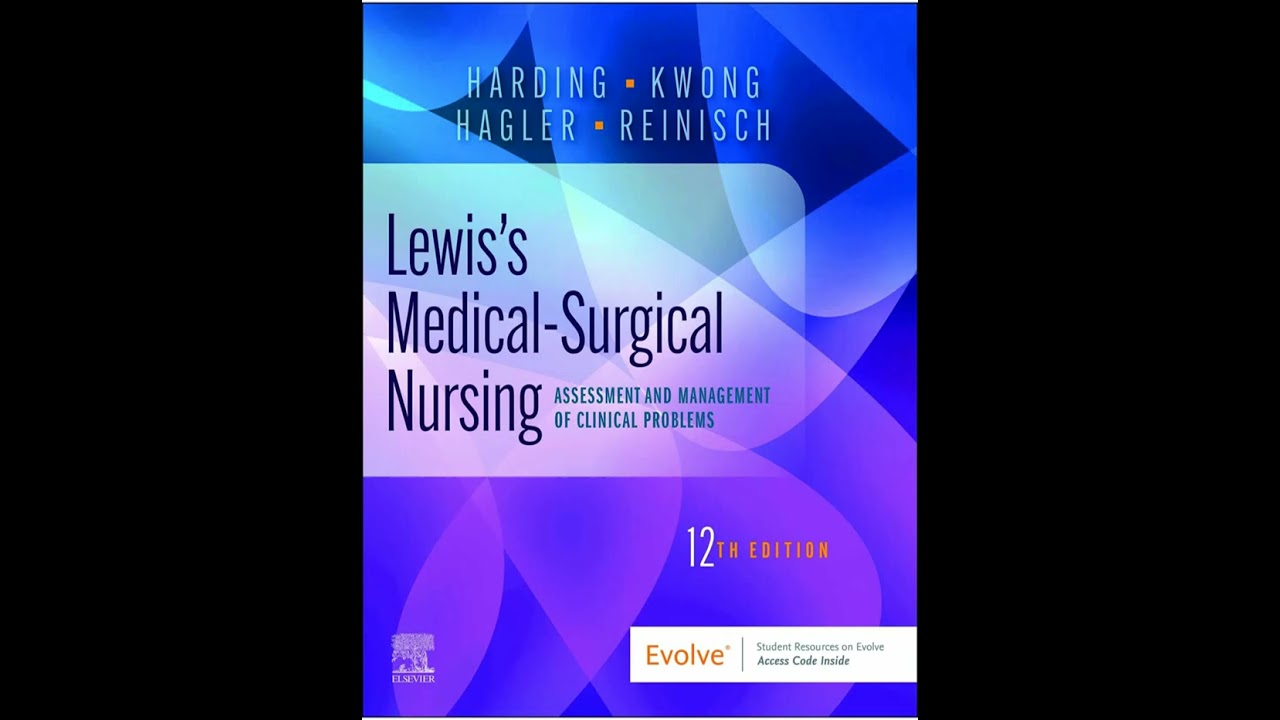
Sleep & Sleep Disorders Nursing Care | Chapter 8 – Lewis’s Medical-Surgical Nursing (12th)
Автор: Last Minute Lecture
Загружено: 2025-08-27
Просмотров: 274
Описание:
Chapter 8 of Lewis’s Medical-Surgical Nursing: Assessment and Management of Clinical Problems (12th Edition) examines the physiology of sleep, its impact on health, and the management of common sleep disorders. Sleep is defined as a reversible state of reduced consciousness essential for survival, influencing mood, cognition, memory, immune function, metabolism, and overall physical health. The chapter explains the sleep-wake cycle, governed by the ascending reticular activating system (ARAS), neurotransmitters such as acetylcholine, norepinephrine, dopamine, and orexin, and inhibitory signals like GABA and melatonin. The role of the circadian rhythm, controlled by the suprachiasmatic nucleus (SCN), is highlighted, along with the effects of light as a synchronizing cue. Sleep architecture is described as alternating cycles of non–rapid eye movement (NREM) and rapid eye movement (REM) sleep, with NREM stages N1, N2, and N3 (slow-wave sleep) and REM as the stage of vivid dreaming.
The consequences of sleep insufficiency and fragmentation include impaired cognitive function, irritability, obesity, diabetes, cardiovascular disease, depression, immune suppression, accidents, and reduced quality of life. Hospitalized patients are especially vulnerable to poor sleep due to environmental noise, frequent procedures, medications, and acute illness, which can worsen recovery and increase delirium risk. Nurses are encouraged to promote sleep by minimizing disruptions, controlling light and noise, providing comfort measures, and teaching sleep hygiene.
The chapter explores major sleep disorders, including:
✨ Insomnia – difficulty falling or staying asleep, with daytime fatigue and mood changes. Managed through sleep hygiene, cognitive-behavioral therapy for insomnia (CBT-I), and short-term medications such as benzodiazepine-receptor agonists (zolpidem, zaleplon, eszopiclone), orexin-receptor antagonists, melatonin agonists, or low-dose antidepressants.
😴 Obstructive Sleep Apnea (OSA) – recurrent airway obstruction, apneic episodes, loud snoring, and daytime sleepiness. Risk factors include obesity, large neck circumference, male sex, and older age. Management includes weight loss, positional therapy, oral appliances, CPAP or BiPAP, and surgical interventions like UPPP or GAHM.
🦵 Periodic Limb Movement Disorder (PLMD) – involuntary repetitive limb movements during sleep that cause poor quality rest. Treated with clonazepam, antiseizure drugs, or dopaminergic agents.
🌍 Circadian Rhythm Disorders – misalignment of biologic and environmental cues, including jet lag and shift work sleep disorder, with nurses highlighted as a vulnerable group. Managed with light therapy, melatonin, and consistent scheduling.
🛌 Narcolepsy – neurologic disorder with uncontrollable sleep attacks, REM intrusions, and cataplexy (sudden muscle weakness). Managed through scheduled naps, safety precautions, and wake-promoting medications such as modafinil, armodafinil, pitolisant, solriamfetol, or sodium oxybate.
🌙 Parasomnias – abnormal sleep behaviors such as sleepwalking, night terrors, and nightmares, often triggered by transitions between NREM and REM sleep, ICU environments, or medication effects.
Special considerations for older adults include higher prevalence of insomnia, sleep-disordered breathing, medication effects, fall risk, and the need for careful prescribing of sleep aids. Nurses are reminded to routinely assess sleep, educate patients and caregivers about sleep hygiene, and advocate for safe, evidence-based treatments to prevent the long-term health consequences of sleep disorders.
📘 Read full blog summaries for every chapter:
https://lastminutelecture.com
📘 Have a book recommendation? Submit your suggestion here:
https://forms.gle/y7vQQ6WHoNgKeJmh8
Thank you for being a part of our little Last Minute Lecture family!
⚠️ Disclaimer: These summaries are created for educational and entertainment purposes only. They provide transformative commentary and paraphrased overviews to help students understand key ideas from the referenced textbooks. Last Minute Lecture is not affiliated with, sponsored by, or endorsed by any textbook publisher or author. All textbook titles, names, and cover images—when shown—are used under nominative fair use solely for identification of the work being discussed. Some portions of the writing and narration are generated with AI-assisted tools to enhance accessibility and consistency. While every effort has been made to ensure accuracy, these materials are intended to supplement—not replace—official course readings, lectures, or professional study resources. Always refer to the original textbook and instructor guidance for complete and authoritative information.
Повторяем попытку...

Доступные форматы для скачивания:
Скачать видео
-
Информация по загрузке: