Emergency & Disaster Nursing | Chapter 21 – Lewis’s Medical-Surgical Nursing (12th)
Автор: Last Minute Lecture
Загружено: 2025-08-27
Просмотров: 727
Описание:
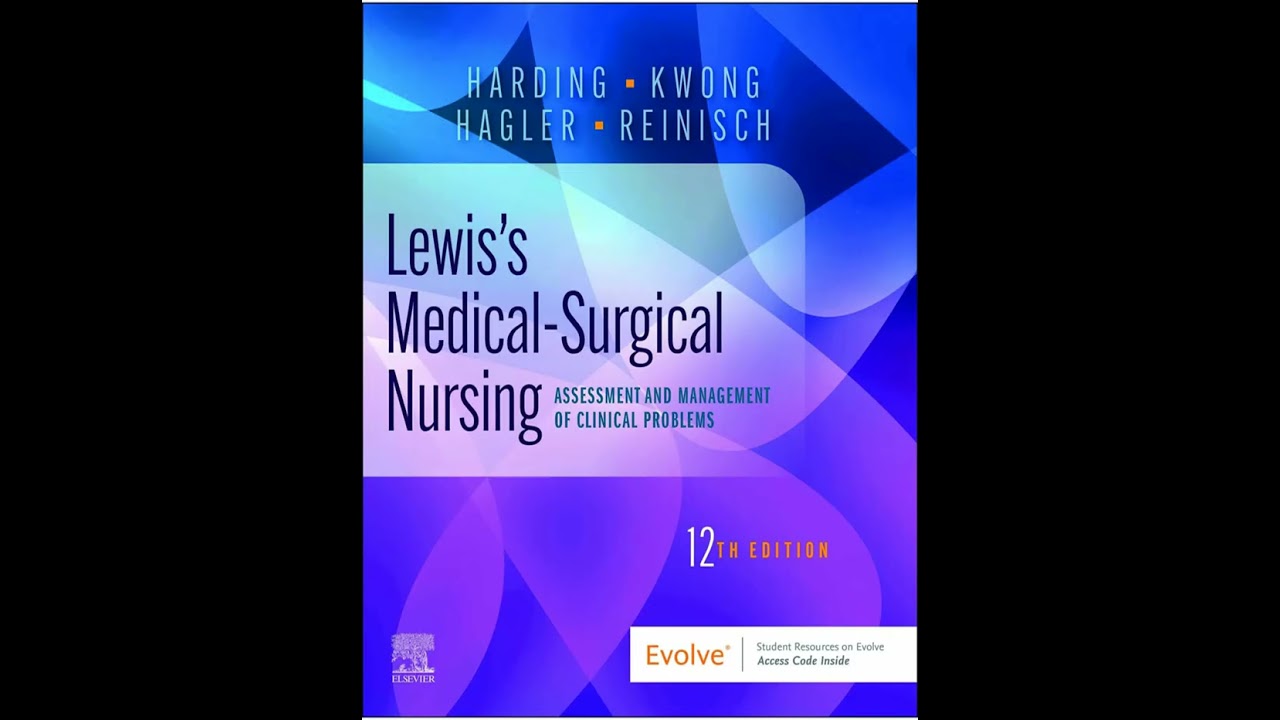
Chapter 21 of Lewis’s Medical-Surgical Nursing (12th Edition) provides an overview of emergency nursing and disaster preparedness, focusing on the principles of triage, the primary and secondary surveys, environmental and toxicologic emergencies, violence, terrorism, and mass casualty incident (MCI) response. Emergency nurses must quickly recognize life-threatening conditions and intervene before a medical diagnosis is made.
Triage is introduced as one of the ED nurse’s most important skills, with the Emergency Severity Index (ESI) 5-level system distinguishing patients by acuity and resources needed. Nurses must rapidly identify those needing lifesaving interventions (ESI-1, ESI-2) versus those requiring fewer resources (ESI-3–5).
The Primary Survey (ABCDEFG) ensures immediate stabilization:
🫁 Airway & Alertness (A) – jaw-thrust maneuver, suction, airway adjuncts, rapid-sequence intubation, cervical spine stabilization.
💨 Breathing (B) – oxygen delivery, bag-valve-mask ventilation, chest decompression for pneumothorax, intubation.
❤️ Circulation & Hemorrhage Control (C) – pulse, skin, capillary refill, fluid resuscitation with large-bore IVs, blood products.
🧠 Disability (D) – neurologic evaluation via AVPU and Glasgow Coma Scale, pupil assessment.
🧥 Exposure/Environment (E) – remove clothing, assess for hidden injuries, maintain warmth.
📊 Full Vitals & Family (F) – complete vital signs, allow family presence for advocacy and support.
📡 Get Monitoring/Give Comfort (G) – labs, ECG, NG/OG tube, oxygenation assessment, pain control.
The Secondary Survey (HI–J) expands assessment:
📝 History (H) – memory aids MIST (Mechanism, Injuries, Signs, Treatment) and SAMPLE (Symptoms, Allergies, Medications, Past history, Last meal, Events).
🔍 Head-to-toe exam – scalp to extremities, including FAST ultrasound for abdominal trauma.
🔎 Inspect posterior surfaces (I) – via logroll, maintaining cervical spine immobilization.
♻️ Just keep reevaluating (J) – reassess with VIPP (Vitals, Injuries, Primary survey, Pain).
The chapter then covers environmental emergencies:
☀️ Heat-related illnesses – heat cramps, heat exhaustion, and heatstroke, managed with rest, fluids, cooling, and rapid stabilization in heatstroke.
❄️ Cold-related emergencies – frostbite (superficial vs deep) and hypothermia (mild, moderate, severe), requiring rewarming and cardiac monitoring.
🌊 Submersion injuries (drowning) – hypoxia, aspiration (freshwater vs saltwater effects), pulmonary edema, and ARDS; treatment includes airway management, oxygenation, rewarming, and observation.
🐍🪲 Bites and stings – from hymenoptera insects (bees, wasps, fire ants), snakes (pit vipers, coral snakes), ticks (Lyme disease, RMSF), animals, and humans. Management ranges from wound care and tetanus prophylaxis to antivenom and rabies postexposure prophylaxis.
Toxicologic emergencies include overdoses and poisonings (acetaminophen, acids/alkalis, aspirin, carbon monoxide, cyanide, ethylene glycol, iron, tricyclic antidepressants). Priorities include decontamination, reducing absorption, enhancing elimination, antidotes, and supportive care, always with poison control consultation.
The chapter also highlights violence in the ED, including intimate partner violence (IPV), elder abuse, child abuse, and human trafficking. Nurses are urged to screen sensitively, document carefully, and provide referrals and advocacy, with forensic-trained sexual assault nurse examiners (SANEs) offering specialized care.
📘 Read full blog summaries for every chapter:
https://lastminutelecture.com
📘 Have a book recommendation? Submit your suggestion here:
https://forms.gle/y7vQQ6WHoNgKeJmh8
Thank you for being a part of our little Last Minute Lecture family!
⚠️ Disclaimer: These summaries are created for educational and entertainment purposes only. They provide transformative commentary and paraphrased overviews to help students understand key ideas from the referenced textbooks. Last Minute Lecture is not affiliated with, sponsored by, or endorsed by any textbook publisher or author. All textbook titles, names, and cover images—when shown—are used under nominative fair use solely for identification of the work being discussed. Some portions of the writing and narration are generated with AI-assisted tools to enhance accessibility and consistency. While every effort has been made to ensure accuracy, these materials are intended to supplement—not replace—official course readings, lectures, or professional study resources. Always refer to the original textbook and instructor guidance for complete and authoritative information.
Повторяем попытку...
Доступные форматы для скачивания:
Скачать видео
-
Информация по загрузке: