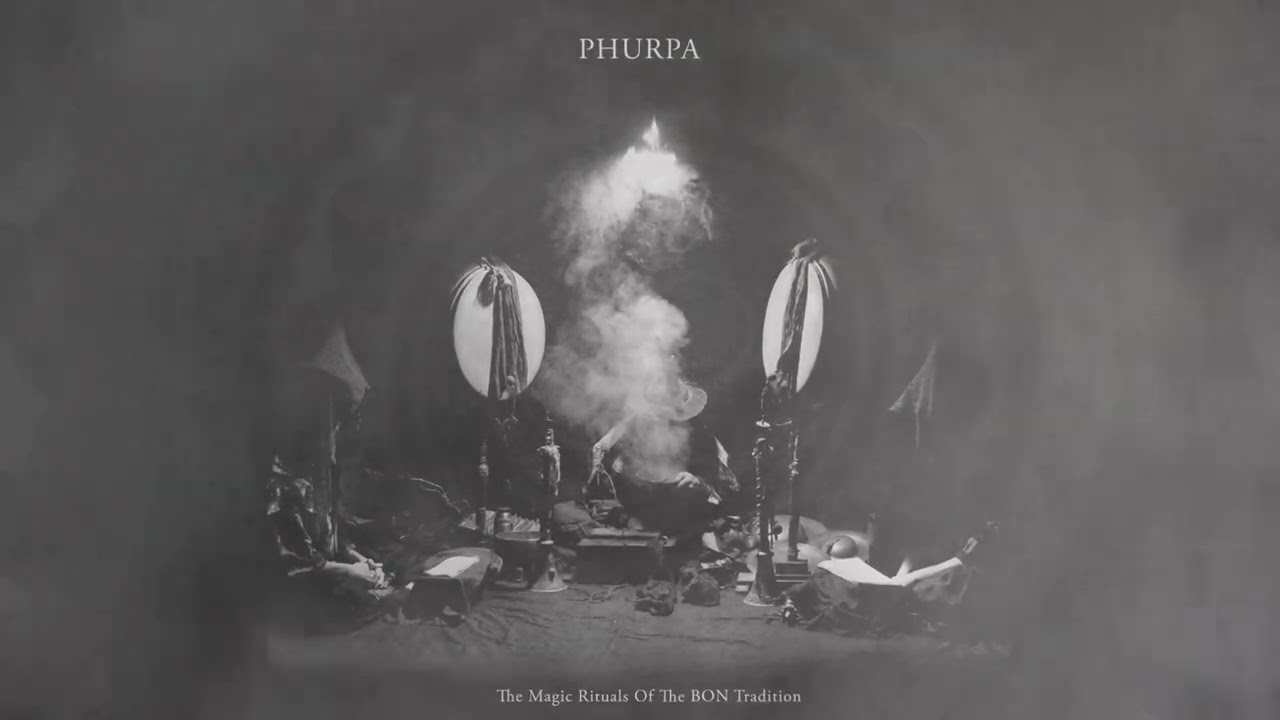
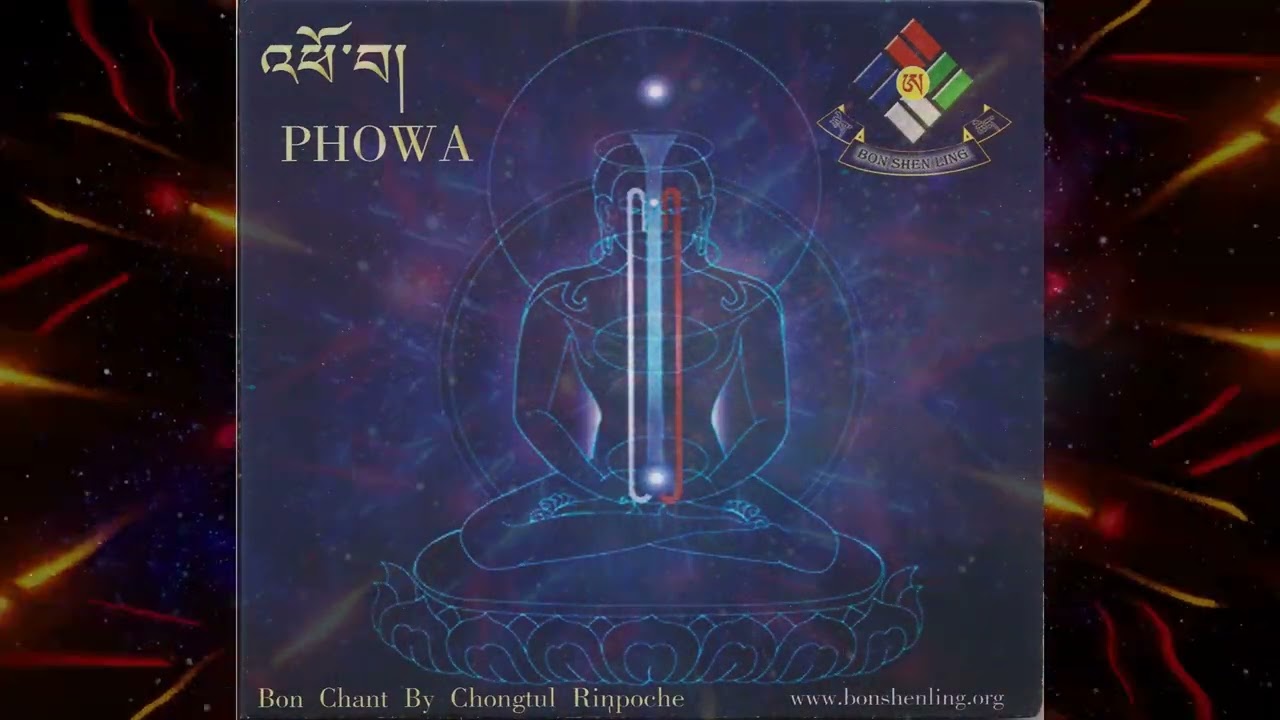
PHOWA ~ BON CHANT by Chongtul Rinpoche (Bon Phowa Gyu-Chak) Practice from A Tro Order) Bon Shen Ling
Автор: Om Vajrapani Hum
Загружено: 2026-01-29
Просмотров: 159
Описание:
The transference of consciousness at the moment of death:
E MA HO.
How wonderful.
BON KU KUNTU ZANG PO LA SOL WA DEP
Pray to the primordial Buddha Kuntu Zanpo
ZOK KU MAWI SENGE LA SOL WA DEP
Pray to Mawi Senge the embodiment of perfect body
TULKU SHE RAB GYAL TSEN LA SOL WA DEP
Pray to She Rab Gyal Tsen the embodiement of emanation body
PHO TRI GYUE PEI LA SOL WA DEP
Pray to the lineage masters of the Phowa teaching
DRIN CHE TSA WEI LA SOL WA DEP
Pray to my spiritual root teacher
DRIN CHE TSA WEI LA SOL WA DEP
Pray to my spiritual root teacher
DRIN CHE TSA WEI LA SOL WA DEP
Pray to my spiritual root teacher.
This chant is a powerful Lineage Prayer (Gyu-Chak), specifically designed to invoke the blessings of the Bon masters before performing Phowa. In the Bon tradition, spiritual power isn't just something you "generate"; it is a current that flows from the primordial source down to your own teacher.
1. The Opening: The Cry of Realization
E MA HO (How wonderful!)
In Tibetan and Bon traditions, E Ma Ho is an "exclamation of wonder." It isn’t just a casual "wow"—it is the sound made when a practitioner perceives the inseparable nature of emptiness and clarity. It sets the tone of sacred outlook, acknowledging that the teachings about to be practiced are profound and rare.
2. The Three Bodies of Enlightenment (Trikaya)
The next three lines represent the Three Bodies (Kayas) of Buddha-nature. This anchors the practice in the absolute, the visionary, and the historical.
Bon Ku - Kuntu Zangpo - The "Truth Body" (Dharmakaya). He is the primordial Buddha, depicted naked and blue, representing the empty, unconditioned nature of the mind.
Zok Ku - Mawi Senge - The "Complete Enjoyment Body" (Sambhogakaya). The "Lion of Speech," often associated with wisdom and the clearing of ignorance through sound and light.
Tulku - Sherab Gyaltsen - The "Emanation Body" (Nirmanakaya). Specifically Nyamme Sherab Gyaltsen, the 14th-century founder of Menri Monastery. He represents the physical presence of the teachings in our world.
3. The Lineage and Transmission
PHO TRI GYUE PEI LA SOL WA DEP (Pray to the lineage masters...)
This line acknowledges the Golden Chain. In Phowa, you are essentially "plugging in" to a battery that has been charged for thousands of years. By praying to the lineage masters, you are asking for the specific "transmission" (Lung) and "instruction" (Tri) that allows the consciousness to be transferred successfully. Without this connection, Phowa is seen as just a visualization; with it, it becomes a functional spiritual tool.
4. The Root Teacher (The Triple Invocation)
DRIN CHE TSA WEI LA SOL WA DEP (Pray to my spiritual root teacher...) (Repeated three times)
The Root Teacher (Tsawi Lama) is the most critical figure in Bon. While Kuntu Zangpo is the source, the Root Teacher is the person who actually introduced you to the nature of your mind.
Why the triple repetition?
To purify the Three Doors: Body, Speech, and Mind.
To request the Three Blessings: The blessing of the teacher's Body (to transform your form), Speech (to transform your energy), and Mind (to realize the truth).
Intensity: It signals a deep, heartfelt yearning. In Phowa, your devotion to the teacher is the "hook" that pulls your consciousness up through the crown of the head.
Summary of the Internal Alchemy
When you chant this, you are effectively:
Aligning yourself with the ultimate reality (Kuntu Zangpo).
Invoking the wisdom-energy to clear your channels (Mawi Senge).
Connecting to the historical discipline (Sherab Gyaltsen).
Surrendering to the guidance of your personal mentor.
This prayer "clears the path" so that when the actual Phowa syllables (like PHAT!) are used later, the exit through the crown is unobstructed.
Bon Phowa is often described as the "path of the shortcut." In the Yungdrung Bon tradition, it is the practice of the transference of consciousness at the moment of death.
Think of it as the ultimate spiritual exit strategy—a way to direct your life force out of the body and into a pure state of realization, bypassing the confusion and "wandering" that typically happens in the bardo (the intermediate state between death and rebirth).
The Core Mechanics
The practice is based on the subtle energy system of the body. While there are several variations of Phowa, the general "mechanics" involve:
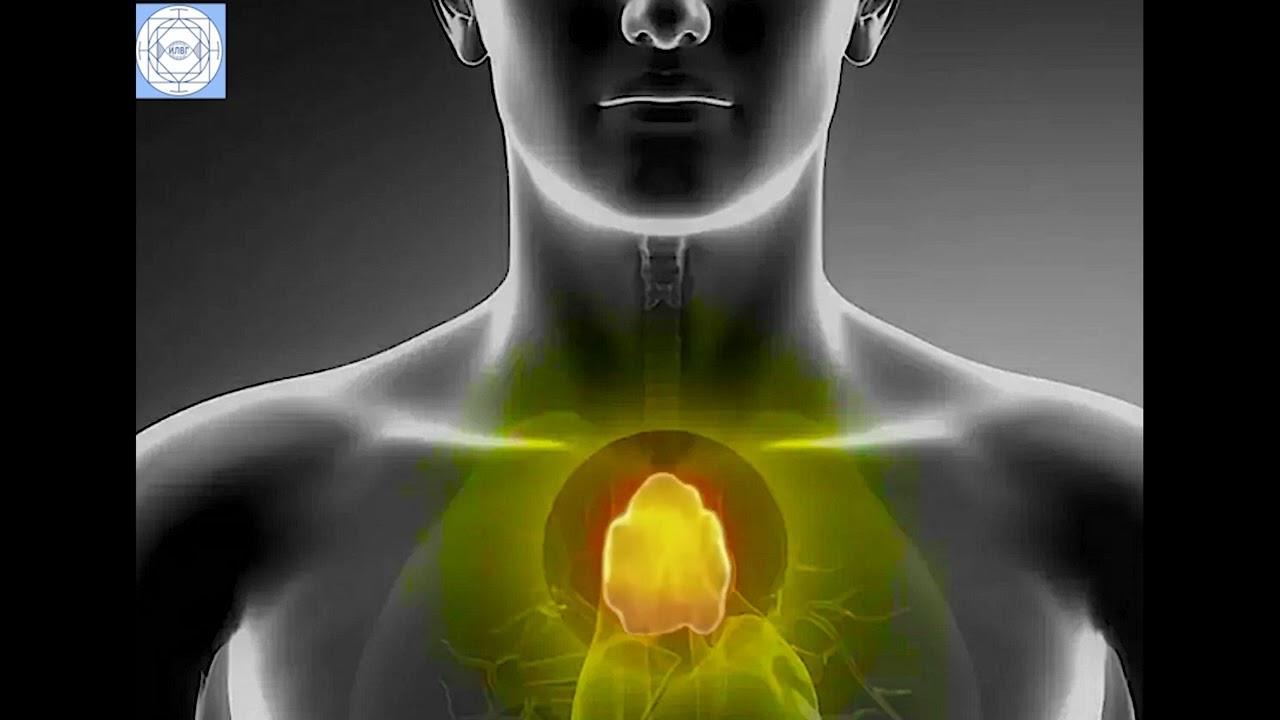
The Central Channel: Visualizing a luminous path (the uma) that runs from the base of the spine to the crown of the head.
The "Seed" of Consciousness: Identifying your awareness as a small, radiant sphere of light (often called a thigle or a syllable like a white A) sitting at the heart center.
The Opening: Focusing on the "Aperture of Brahma" at the crown of the head as the exit point.
~~~
May all benefit.
Повторяем попытку...
Доступные форматы для скачивания:
Скачать видео
-
Информация по загрузке: