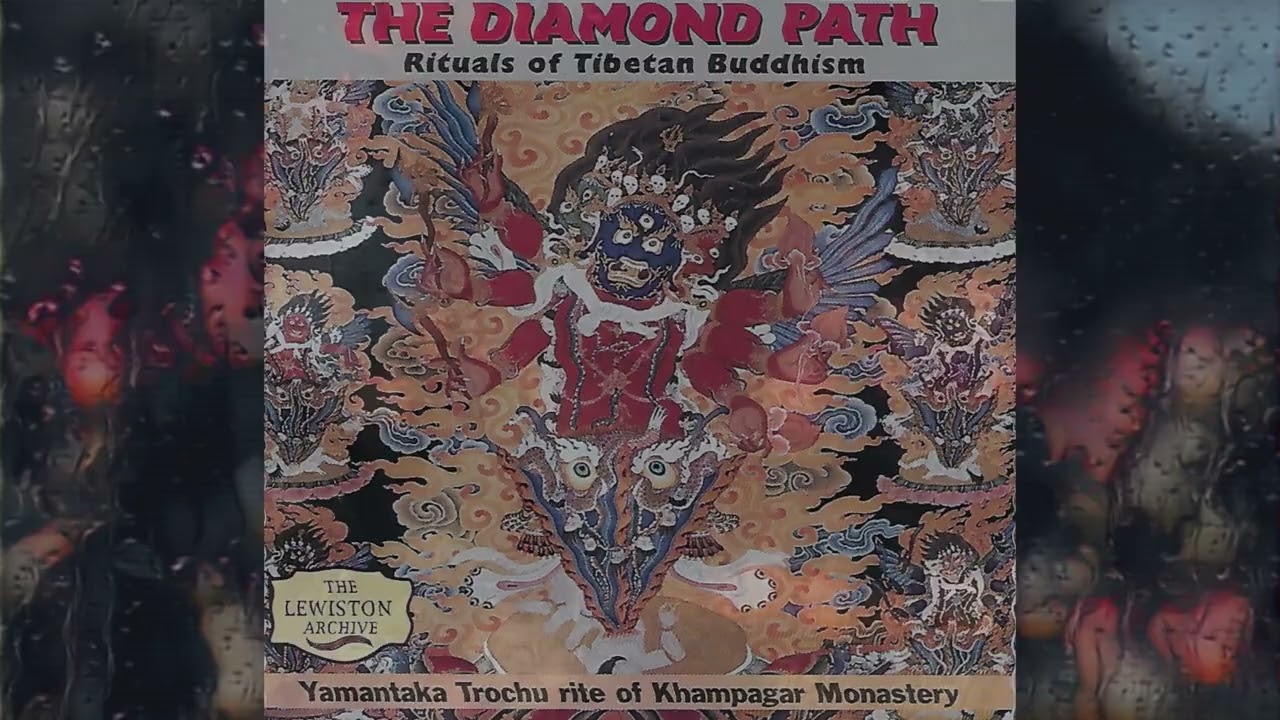
The Diamond Path: Rituals of Tibetan Buddhism ~ Yamantaka Trochu Rite of Khampagar Monastery
Автор: Om Vajrapani Hum
Загружено: 2026-01-27
Просмотров: 281
Описание:
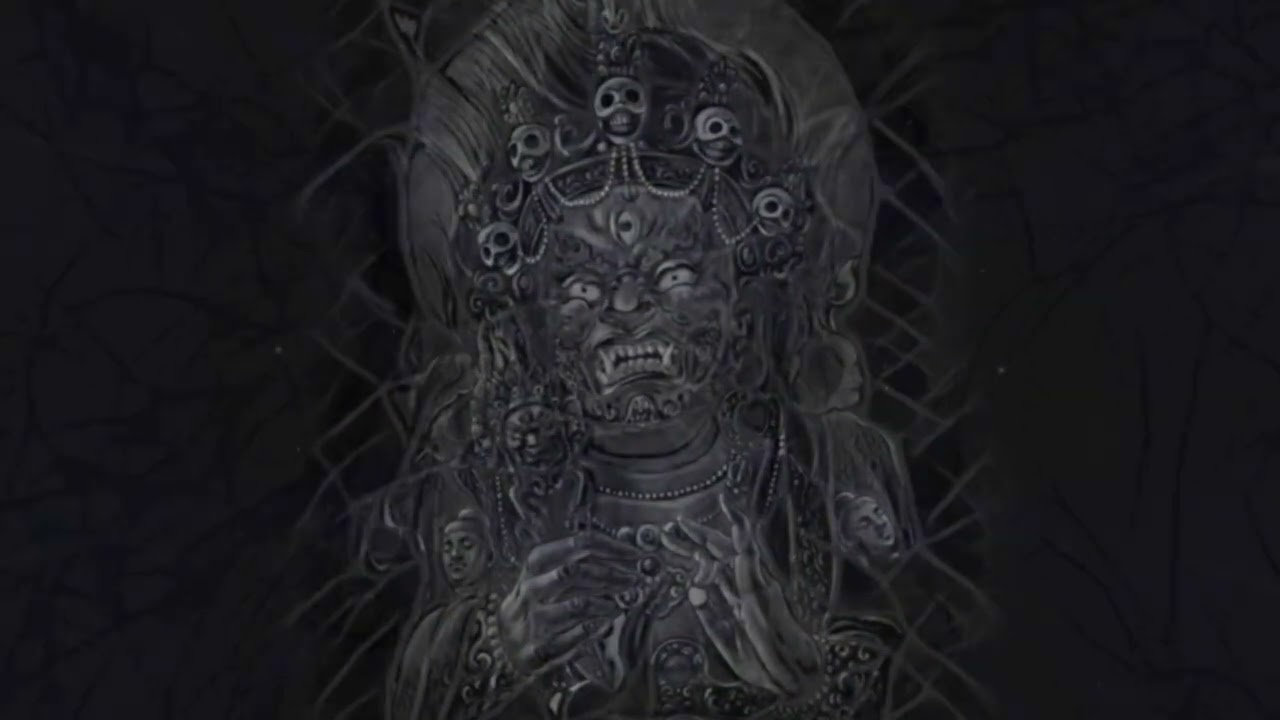
The Diamond Path: Rituals of Tibetan Buddhism ~ Yamantaka Trochu Rite of Khampagar Karma Kagyu Monastery
The transformation of Yamantaka (the wrathful manifestation of Manjushri/Wisdom) into a Phurba (the deified ritual dagger, often associated with Vajrakilaya) is a fascinating deep dive into the "Swiss Army Knife" nature of Vajrayana Buddhism.
In this tradition, deities aren't static characters; they are energetic archetypes that morph to suit the specific psychological or spiritual "obstruction" being dismantled.
The Why: Why "Upgrade" to a Phurba?
The short answer: Pinpoint precision.
While Yamantaka is the "Conqueror of Death" and represents the ultimate destruction of the ego, the Phurba form is about the activity of piercing.
The Problem: Some obstacles are subtle or "slippery"—they are deep-seated habits or demonic forces (metaphorical or literal) that require more than just a broad strike.
The Solution: By adopting the Phurba form, Yamantaka focuses his massive, destructive power into a single, sharp point. It is the transition from a "sledgehammer" (broad power) to a "surgical laser" (focused activity).
The Symbolism: The three-sided blade of the Phurba represents the destruction of the "three poisons": Ignorance, Attachment, and Aversion. When Yamantaka takes this form, he is applying his wisdom specifically to sever these roots.
The How: Iconographic Synthesis
In Tantric practice (specifically within the Nyingma and "New Translation" schools), this transformation is usually visualized through a process called The Union of Yamantaka and Vajrakilaya.
The Upper Body: The deity retains the terrifying features of Yamantaka—the multiple heads (often including the bull head) and multiple arms holding various ritual weapons. This represents his source power and wisdom.
The Lower Body: Instead of having two legs standing on worldly deities or animals, the lower half of the body is a three-edged triangular blade (the Kila).
The Mechanism: This isn't just a costume change; it’s a meditative "phase shift." The practitioner visualizes Yamantaka’s immense energy condensing and rotating into the shape of the dagger to "pin down" the volatile energies of the ego.
The Retinue: The Security Detail
A deity of this magnitude never travels alone. The retinue serves as the "field of influence" surrounding the central figure. For a Yamantaka-Phurba synthesis, the retinue usually includes:
1. The Ten Wrathful Ones (Dashakrodha)
These are the primary guardians who reside in the ten directions (the four cardinal points, the four intermediates, above, and below). They ensure that once an obstacle is "pinned" by the Phurba, it has nowhere to escape.
2. The Four Gatekeepers
Stationed at the four doors of the mandala, these are often female deities or animal-headed protectors:
The Hook: To pull in the negative energy.
The Noose: To bind it.
The Chain: To lock it down.
The Bell: To paralyze/subdue it.
3. The Local Protectors (Dham-chen)
Often, the retinue includes spirits and worldly deities who were once "wild" but were subdued by Yamantaka and bound by oath (Samaya) to protect the teachings. Think of them as the specialized task force that handles the "ground-level" interference.
A Note on Perspective: To a practitioner, Yamantaka doesn't "become" a Phurba in the way a caterpillar becomes a butterfly. Instead, the Phurba is revealed as the true activity of Yamantaka’s wisdom. It’s like realizing that a fire’s heat and its light are actually the same thing, just experienced differently.
I. The Three Faces of the Phurba
In the transformation where Yamantaka takes the Phurba form, the "hilt" or the deity's head section typically features three distinct faces. These aren't just for looking in every direction; they represent the Three Doors of Liberation and the transformation of the Three Poisons.
Face Color - Emotion Transformed -- Aspect of Reality -- The "Vibe"
Blue / Black (Center) Ignorance (Avidya) Dharmakaya (Truth Body) The primordial, unmoving void. It’s the "reset button" for the ego.
White (Right) Aversion (Anger) Nirmanakaya (Emanation Body) Pure, crystalline clarity. It turns burning rage into sharp, objective mirror-like wisdom.
Red (Left) Attachment (Desire) Sambhogakaya (Enjoyment Body) Intense, magnetic energy. It turns "wanting" into the "discernment" of what is actually beneficial.
~~~
May all beings benefit.
Повторяем попытку...
Доступные форматы для скачивания:
Скачать видео
-
Информация по загрузке: