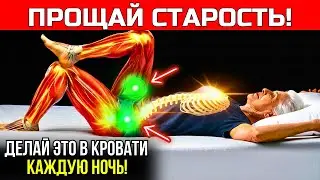
Over 60? The ONLY 4 Exercises You Need To Fix Low Back Pain| Junior wellness
Автор: junior wellness
Загружено: 2026-01-29
Просмотров: 18
Описание:
If you are over sixty and living with low back pain, let me start by telling you something important: your body is not done yet. Not even close. Somewhere along the way, many people are told—directly or indirectly—that pain is just the price of aging. That stiffness, that ache in the lower back when you stand up, that hesitation before bending or walking, is something you must accept. But what if that belief is the very thing holding you back. What if your body is still capable of healing, adapting, and feeling strong again, if you simply give it the right signals.
Low back pain after sixty is not just about the spine. It is about movement, nourishment, habits, and mindset all working together. Your spine is alive. It responds to how you move, how you eat, how you breathe, and even how you think about yourself. The four exercises we talk about in this journey are not magic tricks or extreme workouts. They are gentle, intelligent movements designed to remind your body of what it already knows—how to support itself, how to stay balanced, and how to move without fear.
When you practice these exercises regularly, something powerful happens. You stop seeing your back as fragile. You start seeing it as resilient. Each slow, controlled movement tells your nervous system that your lower back is safe. And when the brain feels safety, pain begins to soften. This is why light exercise matters so much at this stage of life. You don’t need long workouts or heavy weights. You need consistency. You need movement that respects your body while still challenging it just enough to wake it up.
But movement alone is not the full picture. What you put into your body matters just as much as how you move it. A healthy diet supports healing at a cellular level. As we age, inflammation becomes a bigger contributor to pain, including back pain. Whole foods—vegetables, fruits, lean proteins, healthy fats, and adequate water—help calm that inflammation. Proper nutrition supports muscles, joints, and the discs in your spine. Think of food as information. Every meal is either telling your body to heal or to struggle. You don’t need perfection. You need intention. Small, steady improvements in how you eat can lead to noticeable changes in how your body feels.
Lifestyle habits quietly shape your pain as well. How long you sit. How well you sleep. How often you move during the day. Long periods of sitting can stiffen the hips and overload the lower back, even if you exercise regularly. Getting up, walking a little, stretching gently, and changing positions throughout the day can dramatically reduce discomfort. Sleep is another powerful healer. When you rest well, your body repairs tissues, regulates pain signals, and restores energy. Simple habits like a consistent sleep schedule and a calm evening routine can make a real difference.
And then there is mindset, which may be the most underestimated factor of all. Chronic pain can slowly change how you see yourself. It can make you cautious, doubtful, even fearful of movement. But your thoughts matter. When you believe that movement will harm you, your body tightens in anticipation. When you believe that movement can help you, your body relaxes into it. A positive mindset does not mean ignoring pain or pretending everything is fine. It means trusting that improvement is possible. It means being patient with yourself and celebrating small wins—the day you stand up more easily, the walk that feels smoother, the morning you wake up with less stiffness.
The four exercises that support a healthy lower back work best when they are part of a bigger picture. Gentle spinal mobility restores freedom. Core activation provides quiet support. Stronger hips take pressure off the spine. Better balance improves confidence and posture. Together, they help you move through life with less effort and less fear. But their true power is unlocked when they are combined with nourishing food, daily movement, supportive habits, and a hopeful outlook.
Remember, your goal is not to be pain-free overnight. Your goal is progress. Progress means moving a little better than yesterday. Progress means choosing to care for your body even on days when motivation feels low. Progress means listening to your body instead of fighting it. Every time you choose to move gently, eat well, rest, and think kindly about yourself, you are investing in your future mobility.
Повторяем попытку...

Доступные форматы для скачивания:
Скачать видео
-
Информация по загрузке:

![Лучше для поясницы НЕ придумаешь [ТОП комплекс в 2026]](https://image.4k-video.ru/id-video/vQmdkKzwPPA)