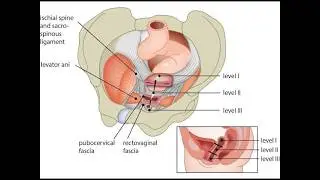
Pelvic floor; pelvic diaphragm muscular and fascial structure that forms base of pelvis
Автор: Gals Voices -Gynecology, Obstetrics, Pediatrics
Загружено: 2026-01-16
Просмотров: 1
Описание:
The pelvic floor is a group of muscles, ligaments, and connective tissues that form a supportive sling at the base of the pelvis. It plays a vital role in supporting pelvic organs, maintaining continence, and enabling childbirth and sexual function.
📍 Anatomy of the Pelvic Floor
Muscles (main components):
Levator ani group
Puborectalis: forms a sling around the rectum, maintains the anorectal angle.
Pubococcygeus: supports pelvic organs, contributes to continence.
Iliococcygeus: provides structural support.
Coccygeus (ischiococcygeus): assists in supporting pelvic organs and stabilizing the coccyx.
Connective tissue & fascia: Reinforce the muscular layer.
Openings: The pelvic floor has gaps for the urethra, vagina (in females), and rectum.
🌟 Functions
Support: Holds pelvic organs (bladder, uterus/prostate, rectum) in place.
Continence: Works with sphincters to control urination and defecation.
Childbirth: Stretches to allow passage of the baby.
Sexual function: Contributes to arousal and orgasm.
Stability: Helps maintain posture and intra-abdominal pressure.
🩺 Clinical Importance
Pelvic floor dysfunction: Weakness or injury can cause urinary/fecal incontinence, pelvic organ prolapse, or sexual dysfunction.
Childbirth trauma: Vaginal delivery may stretch or tear pelvic floor muscles.
Pelvic floor exercises (Kegels): Strengthen muscles, improve continence, and enhance sexual health.
Surgical relevance: Repair of prolapse or incontinence often involves pelvic floor reconstruction
#pelvicfloorhealth
Повторяем попытку...

Доступные форматы для скачивания:
Скачать видео
-
Информация по загрузке: