Over 60? 5 Simple Food Hacks To Lower Blood Pressure Instantly For SENIORS | Doctor Explains
Автор: Ben Harris Seniors Care
Загружено: 2026-01-28
Просмотров: 19
Описание:
You've been told that lowering blood pressure after 60 requires months of strict dieting, endless medications, and giving up everything you enjoy. But research from the National Center on Aging and studies published in the American Heart Association journals reveal that five simple food hacks can start dropping your blood pressure within hours to days—not months—by flooding your body with nitric oxide, potassium, and natural compounds that relax stiff arteries and help your kidneys flush out excess sodium.
In this video, we break down the exact foods, portion sizes, and timing strategies that clinical studies prove can lower systolic blood pressure by 5-11 points in as little as 2-8 weeks when eaten consistently. These aren't exotic superfoods or expensive supplements—they're everyday ingredients proven to reduce hypertension as effectively as some medications, available at any grocery store, and easy to add to meals you already enjoy.
Food Hack #1: Beets (The Nitric Oxide Powerhouse)
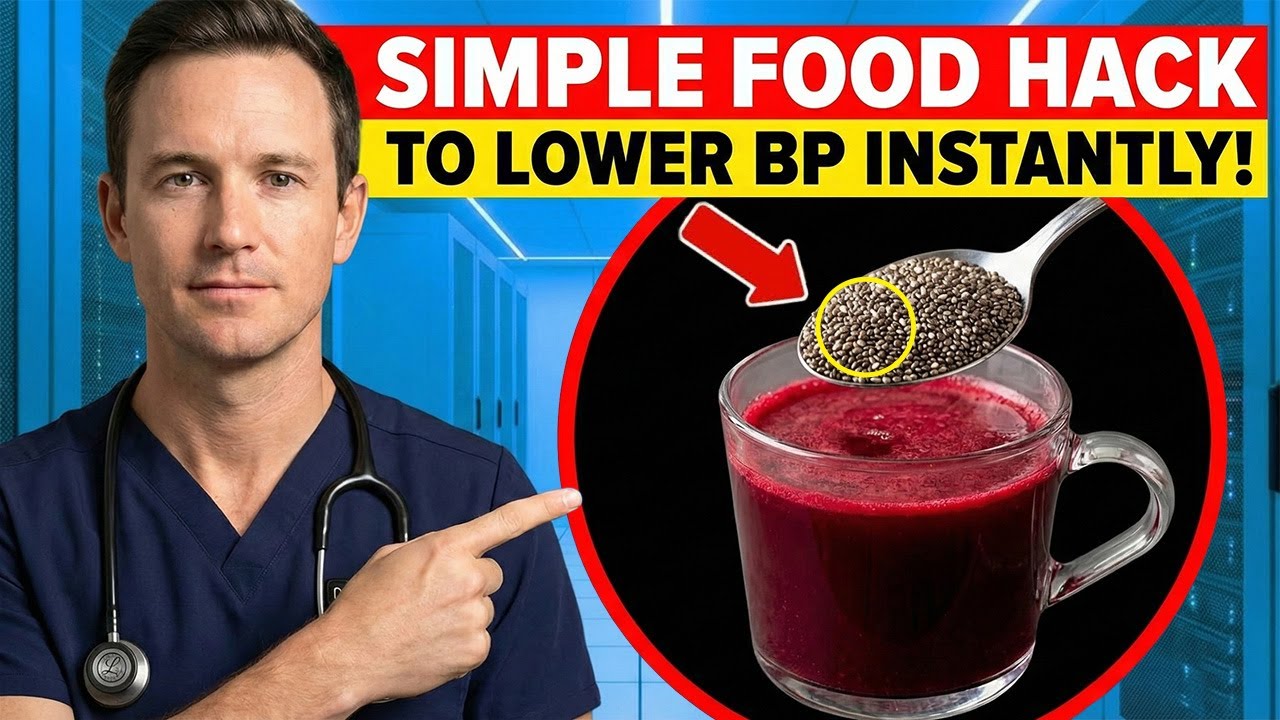
Beets are loaded with dietary nitrates, which your body converts into nitric oxide—a molecule that dilates blood vessels and reduces systolic blood pressure within hours. Studies show eating about 1 cup of beets per day or drinking beetroot juice can lower blood pressure in as little as 8 weeks, with some people experiencing drops within 3-6 hours of consumption. The British Heart Foundation notes that beetroot juice provides concentrated nitrates for rapid blood pressure reductions. Eat them roasted as a side dish, add them raw to salads, or drink no-sugar-added beetroot juice.
Food Hack #2: Leafy Greens (The Potassium-Nitrate Duo)
Spinach, kale, Swiss chard, and collard greens are packed with potassium (which helps kidneys excrete sodium) and nitrates (which relax blood vessels). Research shows eating 1 cup of leafy greens daily lowers blood pressure and decreases heart disease risk—one cup of cooked Swiss chard delivers 961 mg of potassium. The potassium in leafy greens helps remove sodium from the body during urination, directly lowering blood pressure. Always choose fresh or frozen greens over canned, which contain too much added sodium.
Food Hack #3: Berries (The Anthocyanin Antioxidants)
Strawberries, blueberries, raspberries, and cranberries contain anthocyanins—powerful antioxidants that relax arteries and improve blood flow. Studies have linked anthocyanins to significant blood pressure reductions in people with hypertension. These natural flavonoids relax and dilate arteries, allowing blood to flow more easily throughout the body. Sprinkle berries over yogurt, cereal, or oatmeal, or enjoy them as a sweet afternoon snack.
Food Hack #4: Oatmeal (The Beta-Glucan Fiber)
Oatmeal is high in fiber and low in sodium, making it the perfect blood pressure-friendly breakfast. The beta-glucan fiber in oatmeal absorbs bad cholesterol and normalizes heartbeat, lowering blood pressure and preventing arterial damage. Studies show eating three portions of whole grains daily leads to significant blood pressure reductions. Prepare oatmeal with low-fat or nondairy milk, add cinnamon or nuts for flavor, but avoid adding too much sugar, butter, or cream.
Scientific References
Beets and Nitric Oxide Production
Beets are high in nitrates that convert to nitric oxide, dilating blood vessels and reducing systolic pressure. Eating 1 cup daily can lower BP in 8 weeks, with some experiencing drops within hours.
Leafy Greens and Blood Pressure
Eating 1 cup of leafy greens daily lowers BP through potassium (sodium excretion) and nitrates (vessel relaxation). Swiss chard provides 961 mg potassium per cup.
Berries and Anthocyanins
Studies link anthocyanins in berries to significant BP reductions in people with hypertension by relaxing and dilating arteries.
Hibiscus Tea Study
Research showed 11.2% systolic BP reduction and 10.7% diastolic BP reduction after 12 days of continuous hibiscus tea consumption.
Medical Disclaimer: The content in this video is for educational purposes only and is not intended to be a substitute for professional medical advice, diagnosis, or treatment. Always seek the advice of your physician regarding your blood pressure and diet. If you have kidney disease, diabetes, or are taking blood pressure medications (especially potassium-sparing diuretics), do not increase dietary potassium or make significant dietary changes without consulting your healthcare provider, as excess potassium can be dangerous in certain conditions. Never discontinue blood pressure medications based solely on dietary changes; all modifications must be made in partnership with your doctor.
Повторяем попытку...
Доступные форматы для скачивания:
Скачать видео
-
Информация по загрузке: