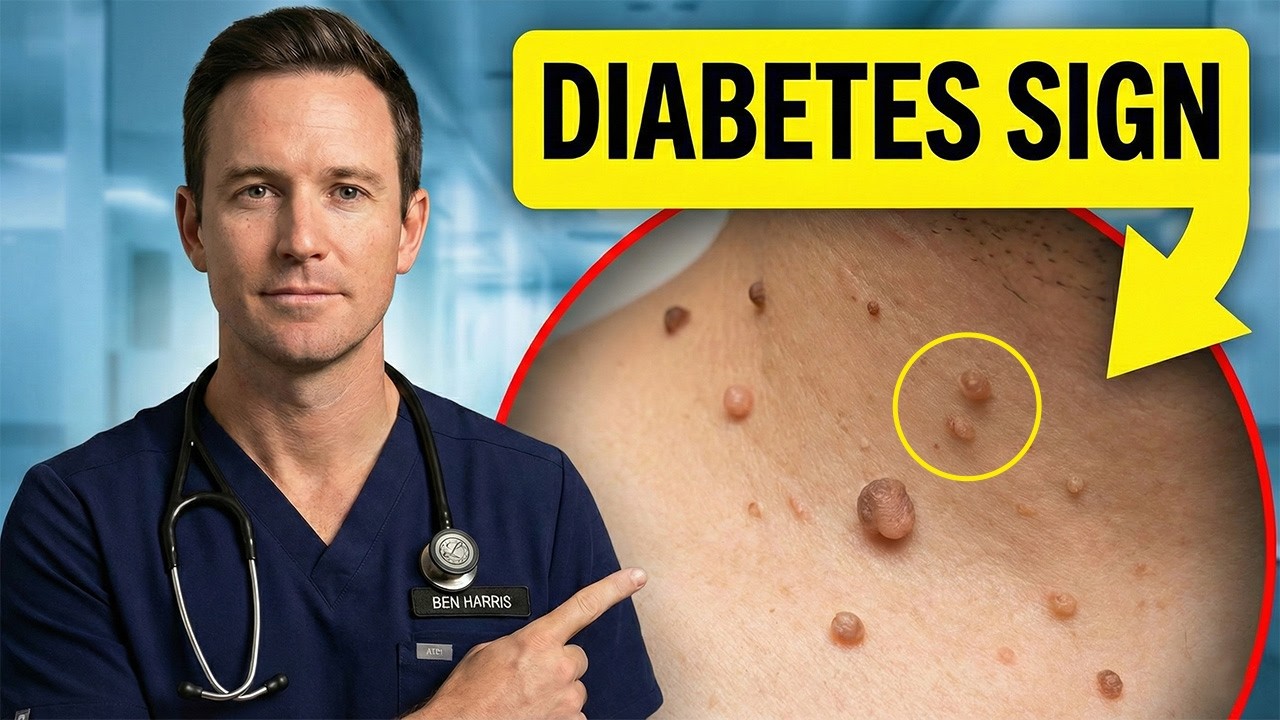
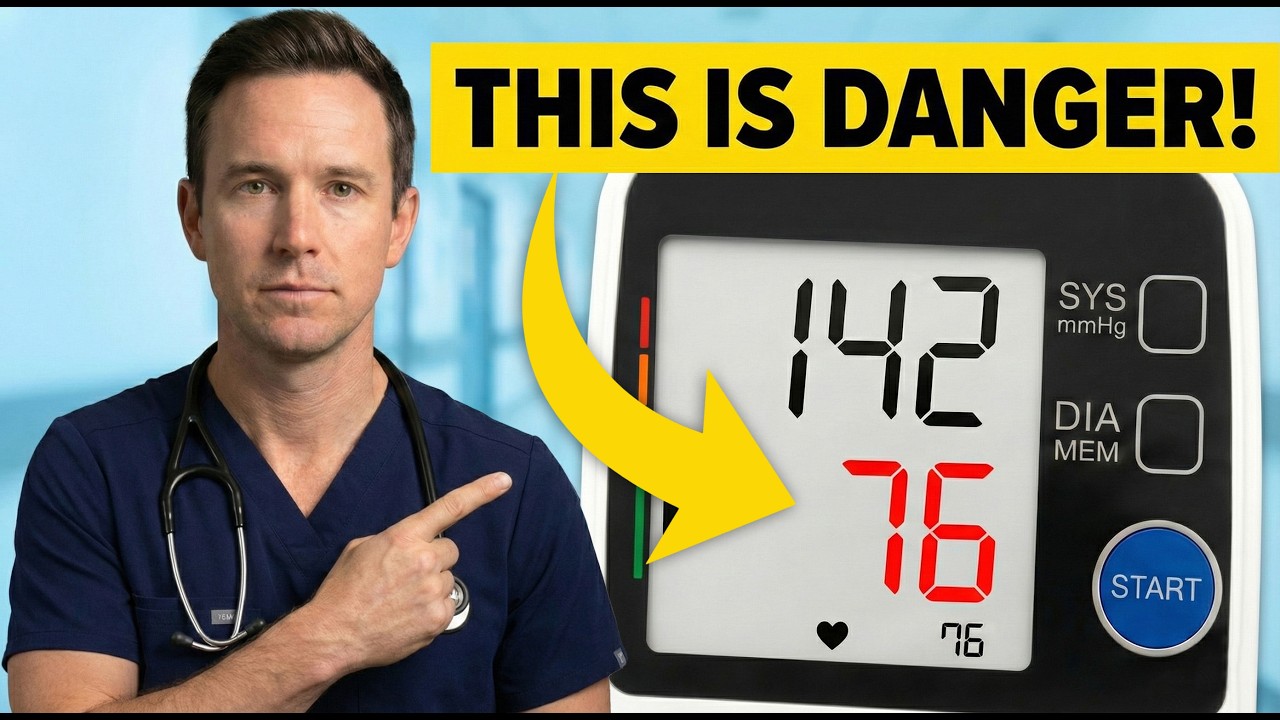
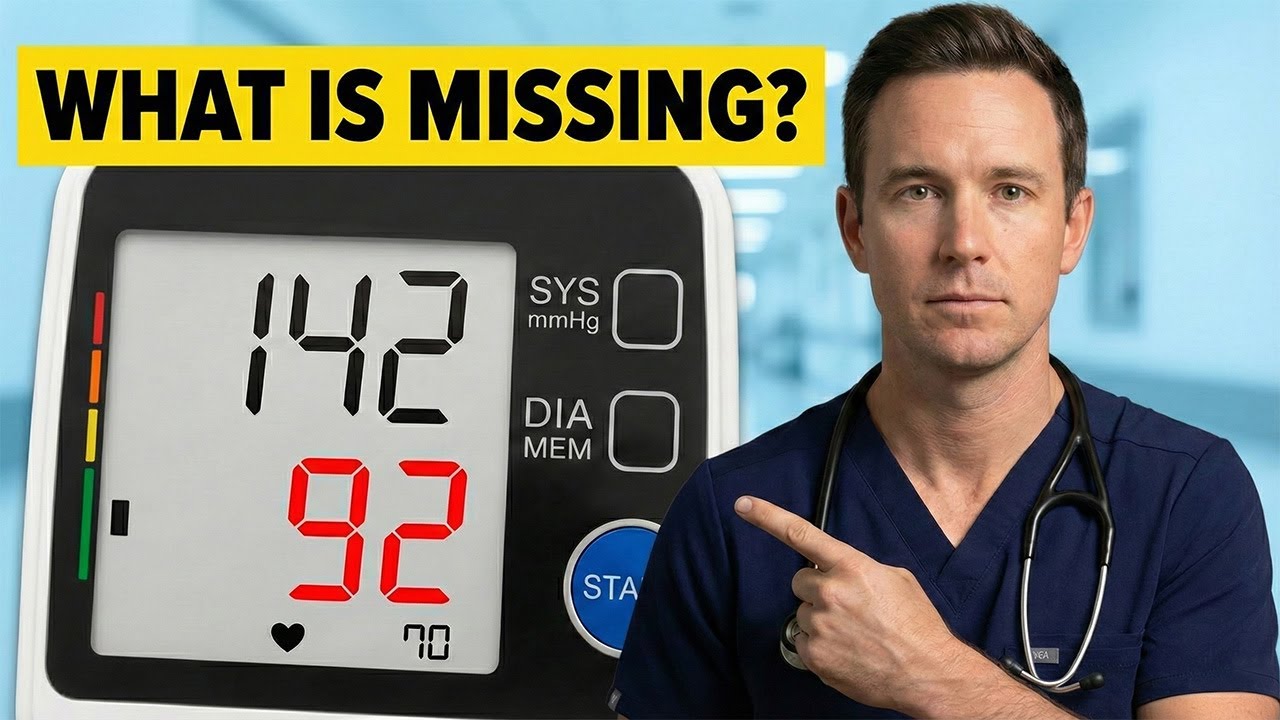
Over 60? These 6 “Missing” Minerals Can Raise Blood Sugar & Blood Pressure
Автор: Ben Harris Seniors Care
Загружено: 2026-01-26
Просмотров: 5
Описание:
You've been taking blood pressure and diabetes medications for years, watching your diet, and exercising—yet your numbers stay stubbornly high. The hidden problem? Six critical mineral deficiencies that 80% of seniors have without knowing it, and research shows these deficiencies directly cause insulin resistance, blood vessel stiffness, and uncontrolled hypertension after 60.
In this video, we expose the six "missing" minerals that control blood sugar and blood pressure through their roles in insulin signaling, glucose metabolism, vascular relaxation, and electrolyte balance: magnesium (the master mineral for insulin and blood vessels), potassium (the sodium regulator), chromium (the insulin sensitizer), zinc (the pancreatic protector), calcium (the muscle relaxer), and selenium (the antioxidant defender). You'll learn why deficiencies occur more often after 60 due to poor absorption, medications, and dietary gaps—and discover the exact food sources and supplement strategies to restore optimal levels safely.
Mineral #1: Magnesium (The Master Regulator)
Magnesium deficiency affects up to 60% of seniors and directly causes insulin resistance and hypertension. Magnesium is required for over 300 enzyme reactions, including glucose metabolism and blood vessel relaxation. Low magnesium impairs insulin secretion from pancreatic beta cells and reduces insulin sensitivity in muscle and fat tissue, raising blood sugar. It also prevents blood vessels from relaxing properly, increasing blood pressure. Seniors need 320-420 mg daily from foods (spinach, almonds, black beans, avocados, dark chocolate) or supplements (glycinate, citrate, or malate forms).
Mineral #2: Potassium (The Blood Pressure Balancer)
Potassium helps kidneys excrete excess sodium, relaxes blood vessel walls, and protects against stroke—yet most seniors consume only half the recommended 2,600-3,400 mg daily. Low potassium causes sodium retention, vasoconstriction, and elevated blood pressure. The American Heart Association recommends potassium-rich diets for hypertension prevention and treatment. Best sources: white beans (1,004 mg per cup), sweet potatoes (950 mg), spinach (839 mg cooked), bananas (422 mg).
Mineral #3: Chromium (The Insulin Sensitizer)
Chromium enhances insulin action by improving glucose uptake into cells. Deficiency—common in older adults eating refined, processed foods—worsens insulin resistance and raises fasting blood sugar. Studies suggest 200-1,000 mcg daily from chromium picolinate supplements may improve glucose control in type 2 diabetes, though results vary. Food sources include broccoli, whole grains, nuts, and lean meats.
Mineral #4: Zinc (The Pancreatic Protector)
Zinc is essential for insulin synthesis, storage, and secretion in pancreatic beta cells. Deficiency impairs wound healing, immune function, and glucose metabolism—all critical concerns after 60. Seniors need 8-11 mg daily from oysters, beef, pumpkin seeds, chickpeas, and fortified cereals. However, high-dose zinc (over 40 mg daily) can interfere with copper absorption, so balance is key.
Scientific References
Magnesium Deficiency and Metabolic Disease
Up to 60% of seniors are magnesium deficient. Low magnesium impairs insulin secretion and sensitivity, raising blood sugar, and prevents blood vessel relaxation, increasing blood pressure.
Potassium and Hypertension
Potassium helps kidneys excrete sodium and relaxes blood vessels. The American Heart Association recommends potassium-rich diets for hypertension treatment.
Chromium and Glucose Control
Chromium enhances insulin action. Studies suggest 200-1,000 mcg daily may improve glucose control in type 2 diabetes.
Age-Related Absorption Decline
Older adults have reduced stomach acid and digestive enzymes, impairing mineral absorption. Medications further deplete key minerals.
Medical Disclaimer: The content in this video is for educational purposes only and is not intended to be a substitute for professional medical advice, diagnosis, or treatment. If you have kidney disease, hyperkalemia, hypercalcemia, or are taking medications such as diuretics, blood pressure drugs, or diabetes medications, consult your healthcare provider before taking mineral supplements, as they can interact dangerously with medications and worsen certain conditions. Never adjust or discontinue prescribed medications based solely on mineral supplementation; all treatment changes must be made in partnership with your doctor with regular lab monitoring.
Повторяем попытку...
Доступные форматы для скачивания:
Скачать видео
-
Информация по загрузке: