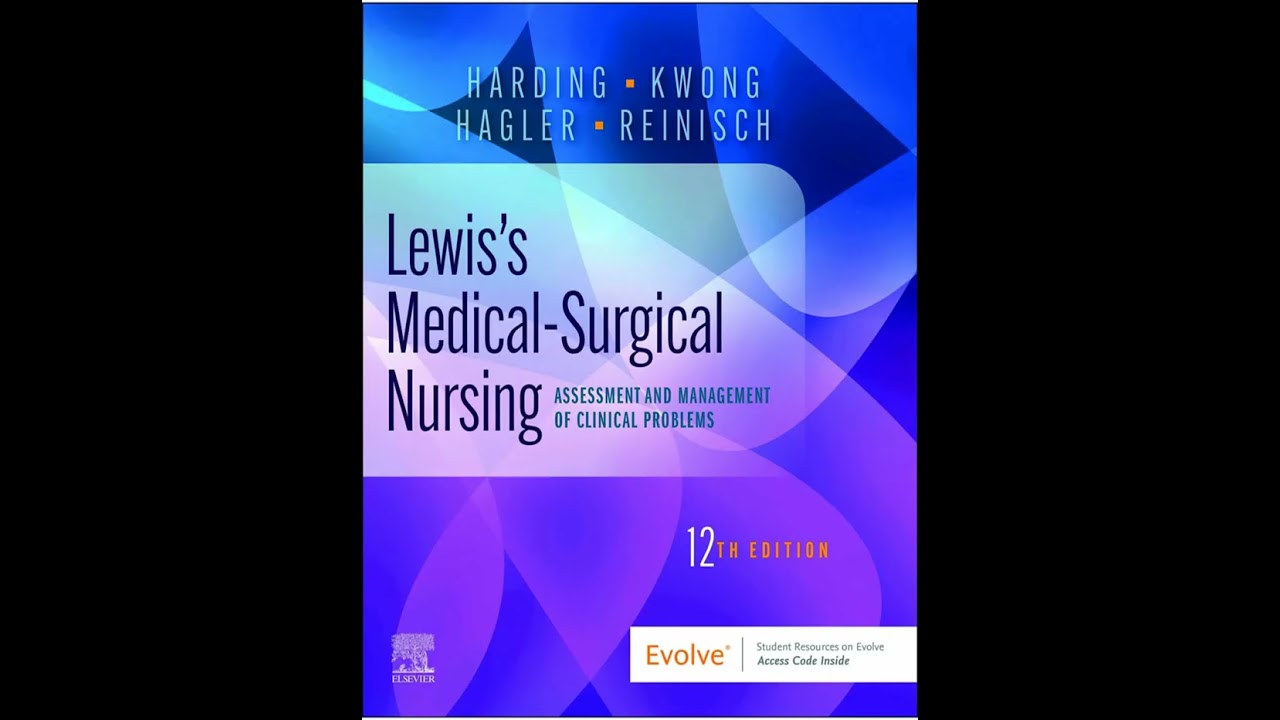
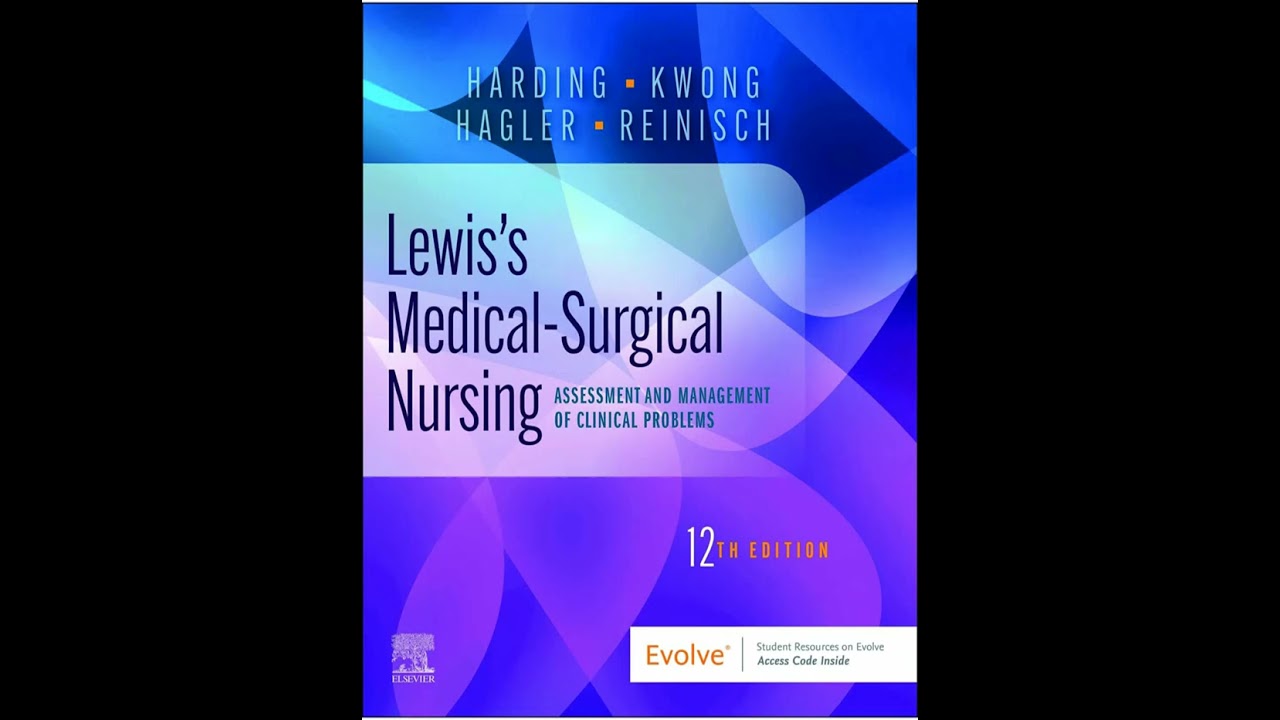
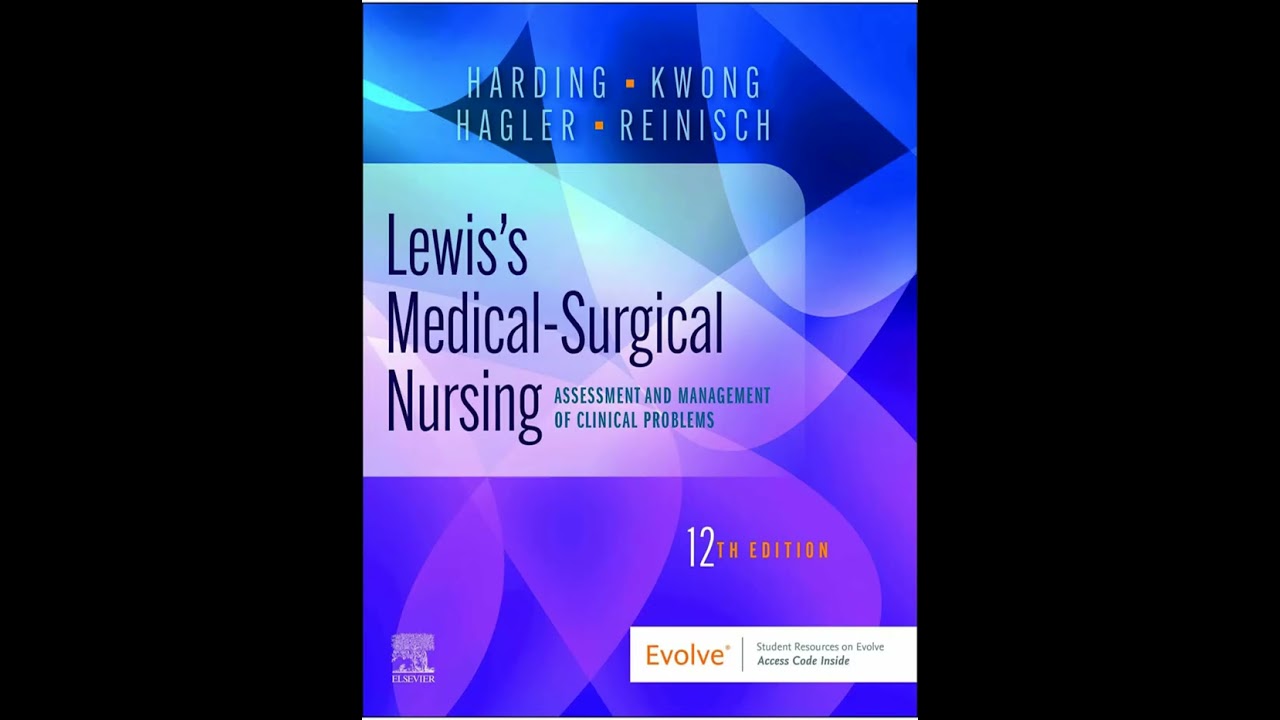
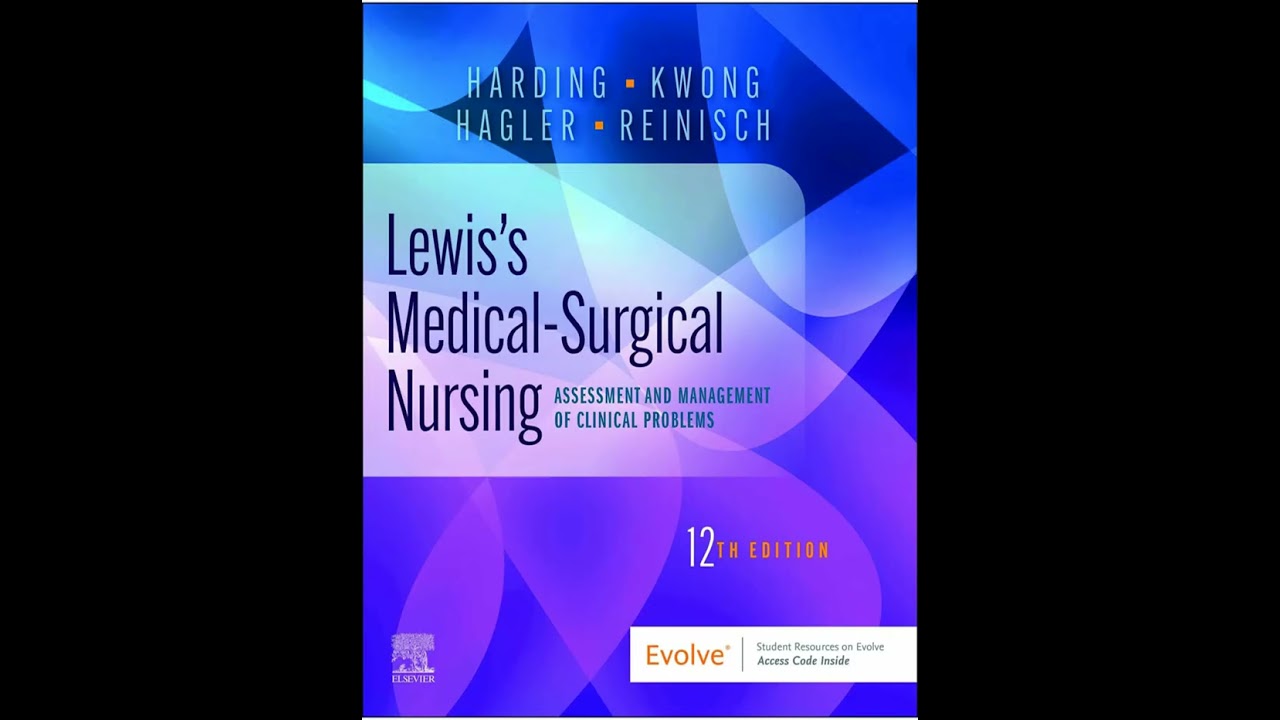
Cancer Nursing Care Overview | Chapter 16 – Lewis’s Medical-Surgical Nursing (12th)
Автор: Last Minute Lecture
Загружено: 2025-08-27
Просмотров: 1245
Описание:
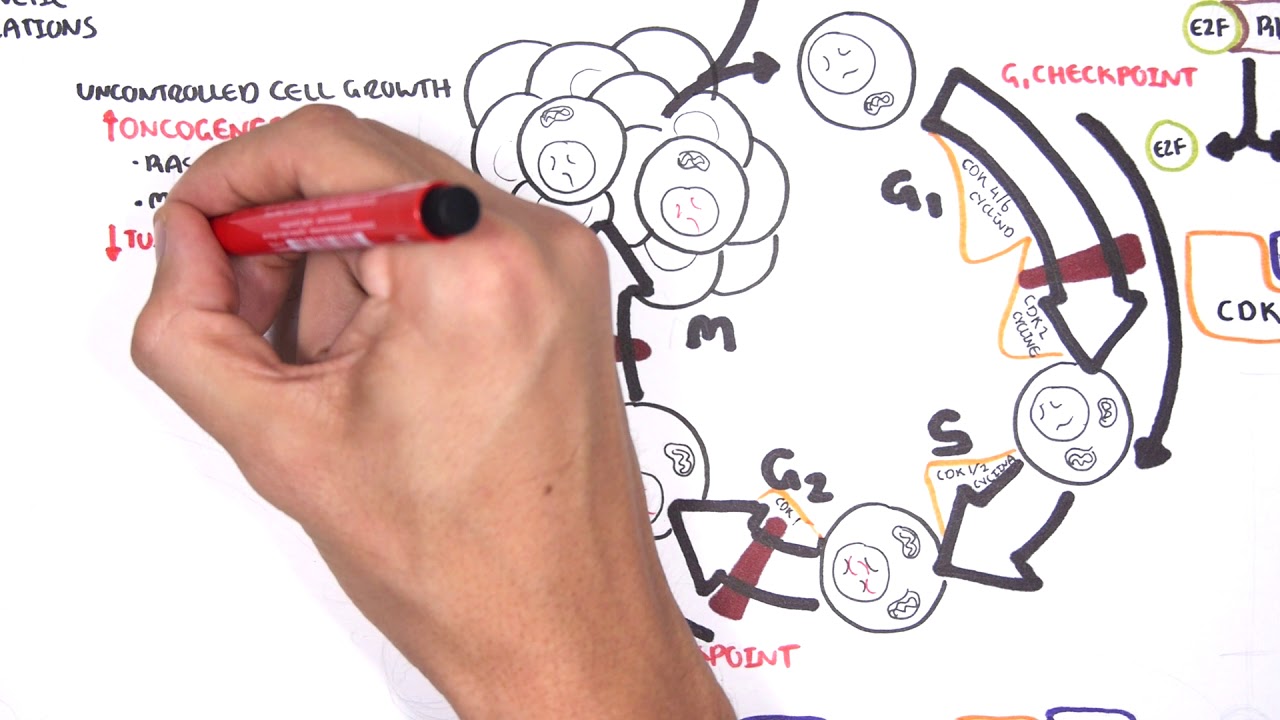
Chapter 16 of Lewis’s Medical-Surgical Nursing (12th Edition) explores cancer as a complex group of diseases defined by uncontrolled and unregulated cell growth, highlighting its profound physiologic, psychological, and social impact on patients and caregivers. This chapter reviews cancer incidence, survival, and mortality trends in the United States, emphasizing prevention, early detection, and the nurse’s critical role in education and screening.
The biology of cancer is explained through the dysfunction of cell proliferation and differentiation, genetic mutations involving protooncogenes, oncogenes, and tumor suppressor genes, and the multistage development of cancer: initiation, promotion, and progression. Key concepts include angiogenesis, tumor markers like CEA and AFP, and the processes of metastasis through hematogenous and lymphatic spread. The immune system’s role in cancer control is discussed through immunologic surveillance, tumor-associated antigens, and escape mechanisms.
The chapter further examines the classification of tumors (benign vs malignant, histologic grading, and staging systems such as TNM), and the nurse’s role in prevention and detection, including the “7 Warning Signs of Cancer.” Diagnostic methods include biopsy, imaging studies, cytology, tumor markers, and genetic testing.
Treatment modalities are explained in depth:
✨ Surgery – for prevention, cure, debulking, and palliation.
💊 Chemotherapy – classification of drugs (alkylating agents, antimetabolites, mitotic inhibitors, etc.), cell cycle–specific vs nonspecific effects, methods of administration, and complications like vesicant extravasation.
☢️ Radiation therapy – external beam vs brachytherapy, dose fractionation, and radiosensitivity.
🧬 Immunotherapy and targeted therapy – monoclonal antibodies, checkpoint inhibitors, cytokines, angiogenesis inhibitors, and kinase inhibitors.
🌸 Hormone therapy – estrogen blockers, androgen deprivation, corticosteroids, and aromatase inhibitors.
Nursing management focuses on side effect mitigation and patient education:
😴 Fatigue management and energy conservation
🩸 Bone marrow suppression (neutropenia, anemia, thrombocytopenia)
🍲 GI effects – nausea, vomiting, diarrhea, mucositis, anorexia
💇 Alopecia and body image changes
💔 Cardiotoxicity, pulmonary effects, nephrotoxicity, and reproductive concerns
🧠 Cognitive changes (“chemo brain”) and neuropathy
🫀 Oncologic emergencies such as superior vena cava syndrome, spinal cord compression, hypercalcemia, tumor lysis syndrome, cardiac tamponade, and carotid artery rupture
📘 Read full blog summaries for every chapter:
https://lastminutelecture.com
📘 Have a book recommendation? Submit your suggestion here:
https://forms.gle/y7vQQ6WHoNgKeJmh8
Thank you for being a part of our little Last Minute Lecture family!
⚠️ Disclaimer: These summaries are created for educational and entertainment purposes only. They provide transformative commentary and paraphrased overviews to help students understand key ideas from the referenced textbooks. Last Minute Lecture is not affiliated with, sponsored by, or endorsed by any textbook publisher or author. All textbook titles, names, and cover images—when shown—are used under nominative fair use solely for identification of the work being discussed. Some portions of the writing and narration are generated with AI-assisted tools to enhance accessibility and consistency. While every effort has been made to ensure accuracy, these materials are intended to supplement—not replace—official course readings, lectures, or professional study resources. Always refer to the original textbook and instructor guidance for complete and authoritative information.
Повторяем попытку...
Доступные форматы для скачивания:
Скачать видео
-
Информация по загрузке: