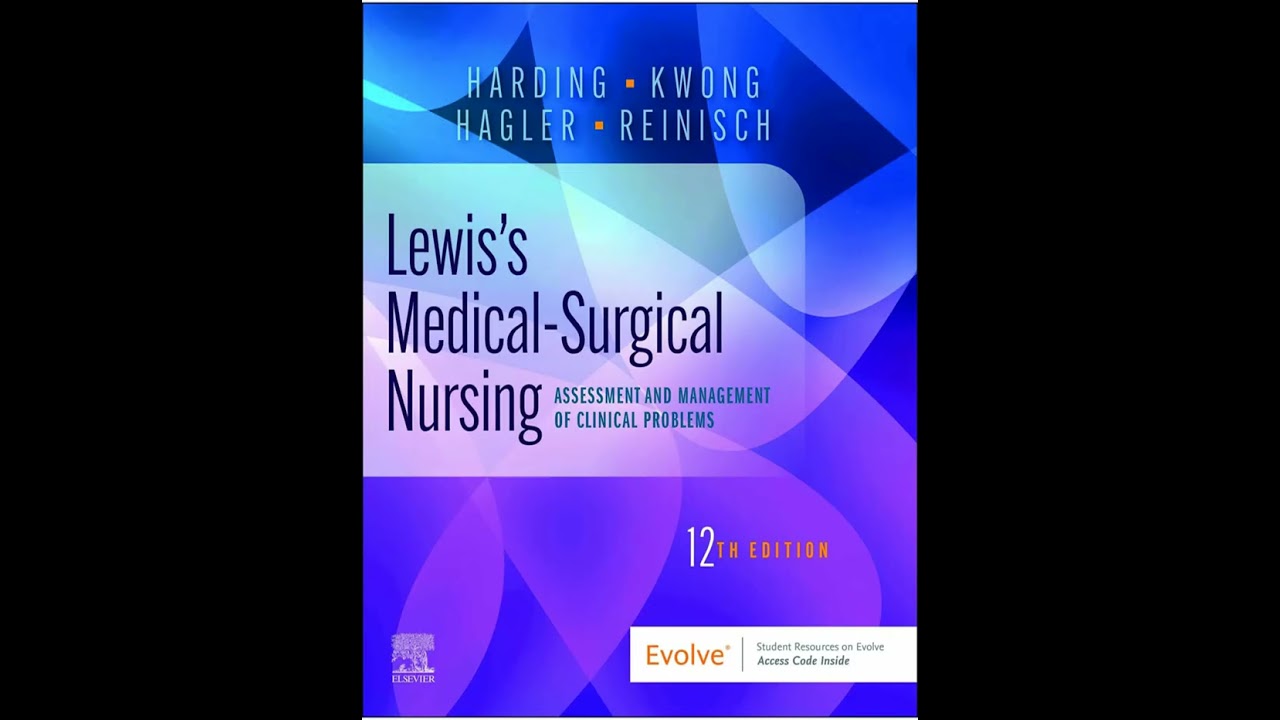
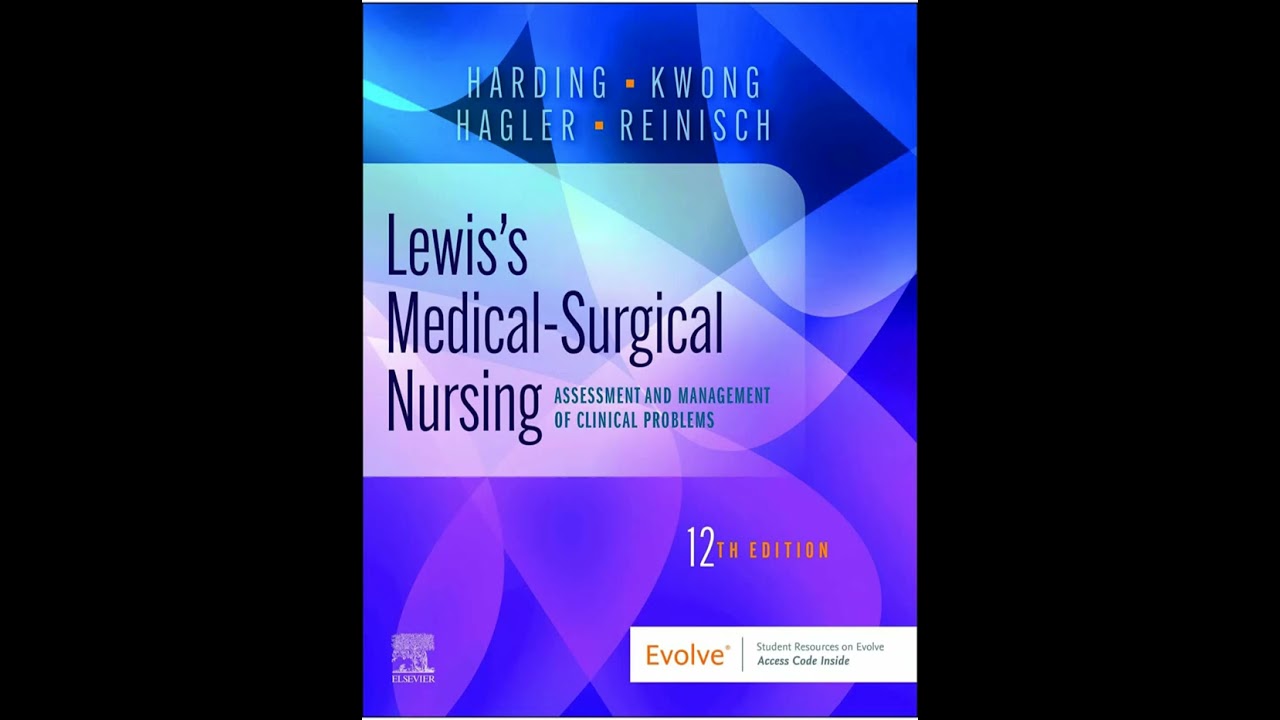
Visual Problems: Assessment & Management | Chapter 22 – Lewis’s Medical-Surgical Nursing (12th)
Автор: Last Minute Lecture
Загружено: 2025-08-27
Просмотров: 592
Описание:
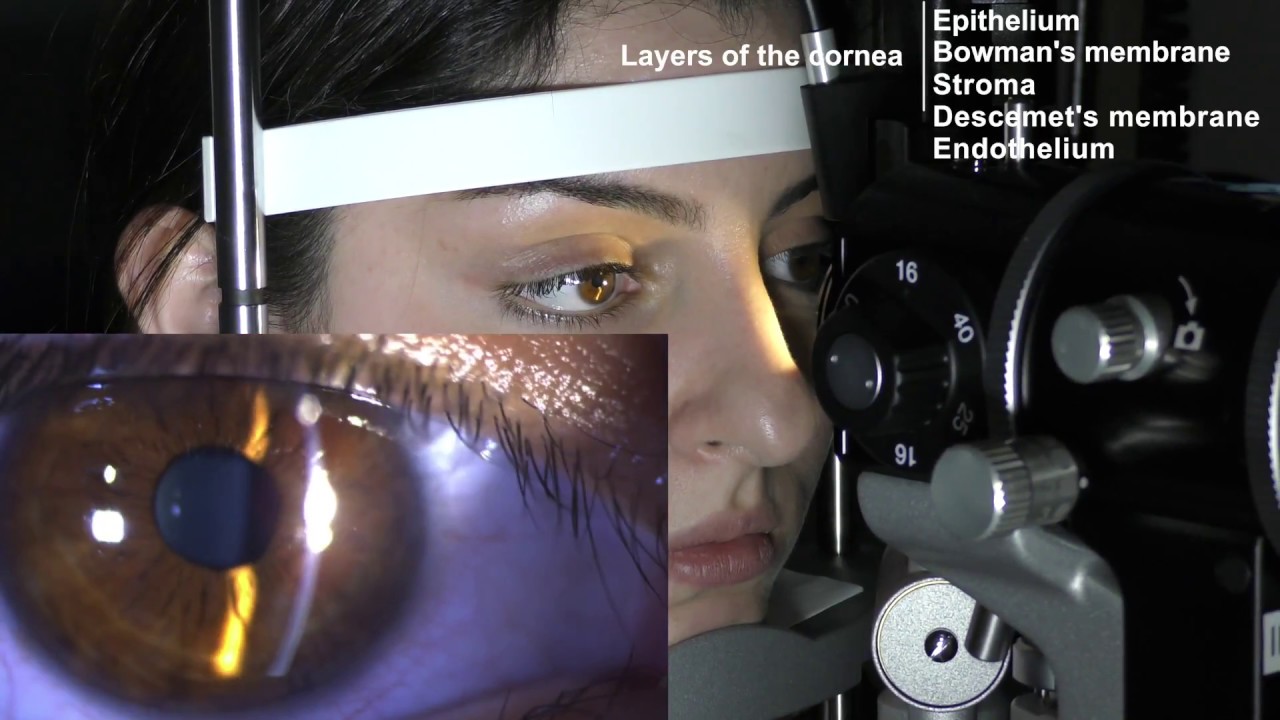
Chapter 22 of Lewis’s Medical-Surgical Nursing (12th Edition) explores the visual system in detail, beginning with structures, functions, and diagnostic methods, then addressing common disorders, management, and nursing care. The chapter reviews the anatomy of the orbit, ocular adnexa, eyeball, retina, optic nerve, and visual pathway, highlighting processes such as accommodation, intraocular pressure (IOP), and photoreceptor function (rods and cones). It emphasizes age-related changes, including presbyopia, cataracts, arcus senilis, and decreased tear production, which affect assessment findings in older adults.
Assessment includes subjective history (systemic diseases like diabetes, hypertension, autoimmune conditions, or neurologic disorders; medications like corticosteroids, hydroxychloroquine, or beta-blockers; allergies; family history of eye disease) and functional health patterns (impact on ADLs, coping, roles, safety, nutrition, sleep). Objective assessment involves Snellen and Jaeger charts, confrontation tests, tonometry, ophthalmoscopy, and inspection of ocular structures for normal vs abnormal findings (e.g., blepharitis, conjunctivitis, cataracts, glaucoma).
Diagnostic studies include Amsler grid, fluorescein angiography, perimetry, refractometry, keratometry, ultrasonography, and optical coherence tomography (OCT).
Common visual problems discussed include:
✨ Refractive errors – myopia, hyperopia, astigmatism, presbyopia; corrected with glasses, contacts, laser surgery (LASIK, PRK, LASEK), or intraocular lenses.
✨ Visual impairment – mild to total blindness; management focuses on coping strategies, rehabilitation, optical/nonoptical aids, and caregiver support.
✨ Eye trauma – blunt, penetrating, thermal, and chemical burns; emergency management includes irrigation, stabilization, and protective shielding.
✨ External eye disorders – hordeolum, chalazion, blepharitis, conjunctivitis (bacterial, viral, chlamydial, allergic), and keratitis (bacterial, viral HSV/VZV, fungal, parasitic).
✨ Corneal disorders – scars, keratoconus, corneal transplants.
✨ Cataracts – lens opacity causing gradual vision loss; managed with phacoemulsification or extracapsular extraction and intraocular lens (IOL) implantation.
✨ Retinopathy – diabetic (nonproliferative, proliferative) and hypertensive, causing microaneurysms, hemorrhages, or macular edema.
✨ Retinal detachment – an emergency signaled by floaters, flashes, or “curtain” vision; treated with photocoagulation, cryopexy, scleral buckling, vitrectomy, or pneumatic retinopexy.
✨ Age-related macular degeneration (AMD) – dry (drusen, atrophy) or wet (neovascularization, VEGF-driven); managed with anti-VEGF injections, PDT, supplements, and lifestyle modifications.
✨ Glaucoma – POAG (clogged trabecular meshwork, tunnel vision) vs ACG (sudden pain, halos, high IOP); managed with drug therapy (beta-blockers, prostaglandin analogs, carbonic anhydrase inhibitors, miotics), ALT, trabeculectomy, or iridectomy.
✨ Intraocular inflammation and infection – uveitis, endophthalmitis.
✨ Ocular tumors – uveal melanoma.
✨ Enucleation – removal of a blind, painful, or cancerous eye, with prosthesis placement and emotional support.
Nursing management emphasizes prevention (eye protection, hygiene, UV avoidance, nutrition), accurate assessment, pre/postoperative care, patient/caregiver teaching, and psychosocial support. Special attention is given to older adults, who face higher risks of vision loss, falls, depression, and difficulty with medication adherence.
📘 Read full blog summaries for every chapter:
https://lastminutelecture.com
📘 Have a book recommendation? Submit your suggestion here:
https://forms.gle/y7vQQ6WHoNgKeJmh8
Thank you for being a part of our little Last Minute Lecture family!
⚠️ Disclaimer: These summaries are created for educational and entertainment purposes only. They provide transformative commentary and paraphrased overviews to help students understand key ideas from the referenced textbooks. Last Minute Lecture is not affiliated with, sponsored by, or endorsed by any textbook publisher or author. All textbook titles, names, and cover images—when shown—are used under nominative fair use solely for identification of the work being discussed. Some portions of the writing and narration are generated with AI-assisted tools to enhance accessibility and consistency. While every effort has been made to ensure accuracy, these materials are intended to supplement—not replace—official course readings, lectures, or professional study resources. Always refer to the original textbook and instructor guidance for complete and authoritative information.
Повторяем попытку...
Доступные форматы для скачивания:
Скачать видео
-
Информация по загрузке: