ycliper

Популярное

Музыка Кино и Анимация Автомобили Животные Спорт Путешествия Игры Юмор

Интересные видео

2025 Сериалы Трейлеры Новости Как сделать Видеоуроки Diy своими руками

Топ запросов

смотреть а4 schoolboy runaway турецкий сериал смотреть мультфильмы эдисон
Скачать

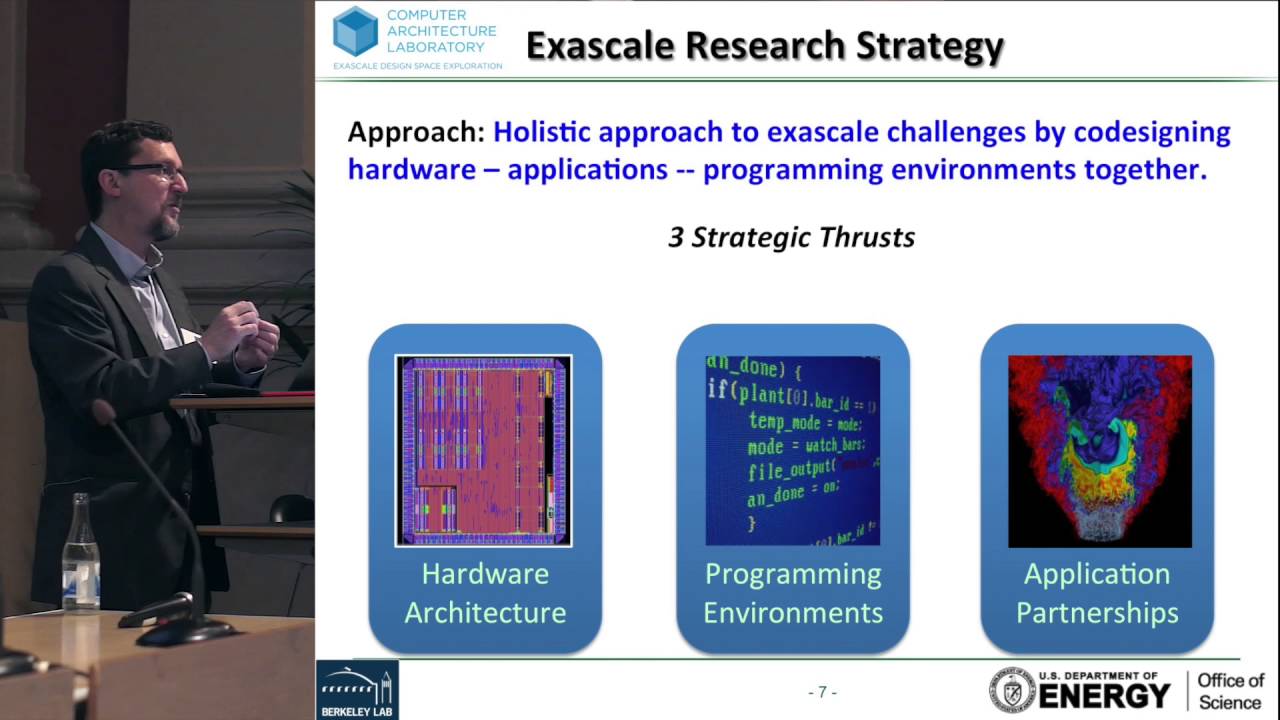
John Shalf - Exascale Computer Architecture Trends and Implications for Programming Systems

Автор: EPiGRAM-HS Project

Загружено: 2016-05-13

Просмотров: 2464

Описание: For the past twenty-five years, a single model of parallel programming (largely bulk-synchronous MPI), has for the most part been sufficient to permit translation of this into reasonable parallel programs for more complex applications. In 2004, however, a confluence of events changed forever the architectural landscape that underpinned our current assumptions about what to optimize for when we design new algorithms and applications. We have been taught to prioritize and conserve things that were valuable 20 years ago, but the new technology trends have inverted the value of our former optimization targets. The time has come to examine the end result of our extrapolated design trends and use them as a guide to re-prioritize what resources to conserve in order to derive performance for future applications. This talk will describe the challenges of programming future computing systems. It will then provide some highlights from the search for durable programming abstractions more closely track emerging computer technology trends so that when we convert our codes over, they will last through the next decade.

Bio: John Shalf is CTO for National Energy Research Supercomputing Center and Department Head for Computer Science at Lawrence Berkeley National Laboratory. He is a co-author of over 60 publications in the field of parallel computing software and HPC technology, including three best papers and the widely cited report “The Landscape of Parallel Computing Research: A View from Berkeley” (with David Patterson and others), as well as “ExaScale Software Study: Software Challenges in Extreme Scale Systems,” which sets the Defense Advanced Research Project Agency’s (DARPA’s) information technology research investment strategy for the next decade. He was a member of the Berkeley Lab/NERSC team that won a 2002 R&D 100 Award for the RAGE robot. Before joining Berkeley Lab in 2000, he was a research programmer at the National Center for Supercomputing Applications at the University of Illinois and a visiting scientist at the Max-Planck-Institut für Gravitationphysick/Albert Einstein Institute in Potsdam, Germany, where he co-developed the Cactus code framework for computational astrophysics.

Не удается загрузить Youtube-плеер. Проверьте блокировку Youtube в вашей сети.
Повторяем попытку...
John Shalf - Exascale Computer Architecture Trends and Implications for Programming Systems

Поделиться в:

Доступные форматы для скачивания:

Скачать видео

  • Информация по загрузке:

Скачать аудио

Похожие видео

Satoshi Matsuoka - The inevitable end of Moore's Law

Satoshi Matsuoka - The inevitable end of Moore's Law

Errand Källén - Weather Prediction and the Scalability Challenge Final

Errand Källén - Weather Prediction and the Scalability Challenge Final

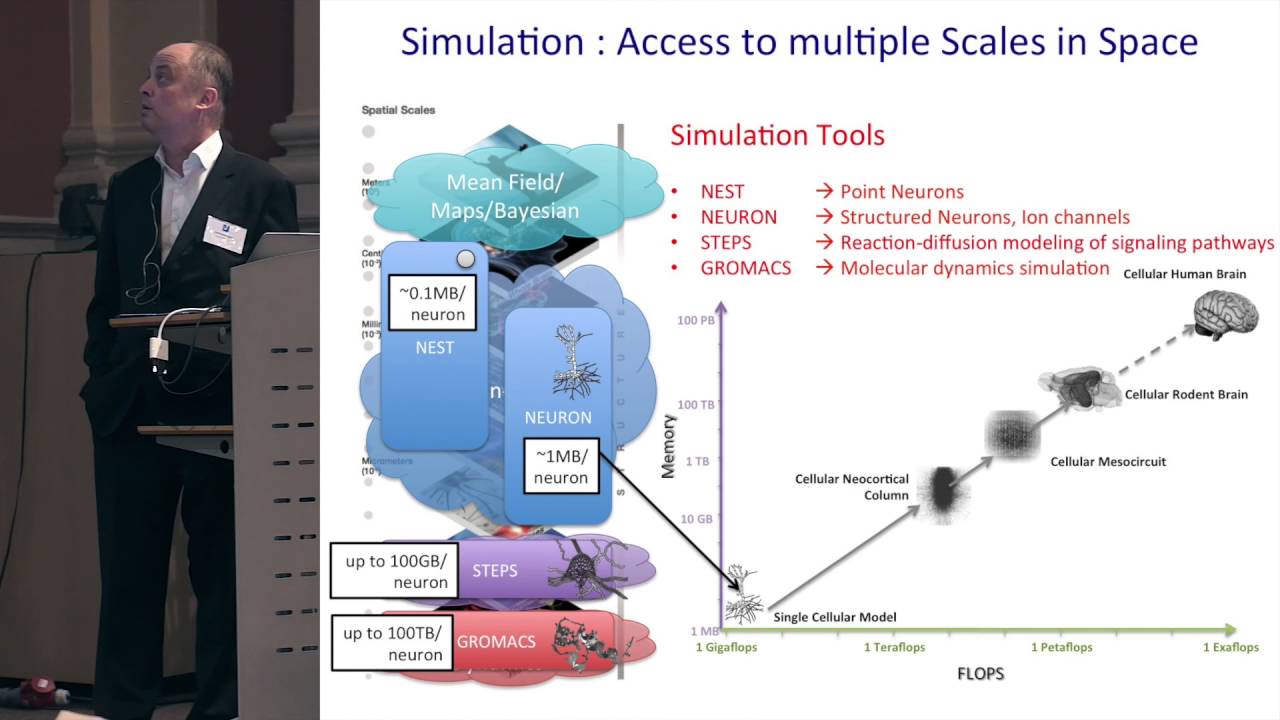
Karlheinz Meier - Neuromorphic Computing - Extreme Approaches to weak and strong scaling

Karlheinz Meier - Neuromorphic Computing - Extreme Approaches to weak and strong scaling

Лучший документальный фильм про создание ИИ

Лучший документальный фильм про создание ИИ

The Big Misconception About Magnetism

The Big Misconception About Magnetism

Разработка с помощью Gemini 3, AI Studio, Antigravity и Nano Banana | Подкаст Agent Factory

Разработка с помощью Gemini 3, AI Studio, Antigravity и Nano Banana | Подкаст Agent Factory

Понимание Z-преобразования

Понимание Z-преобразования

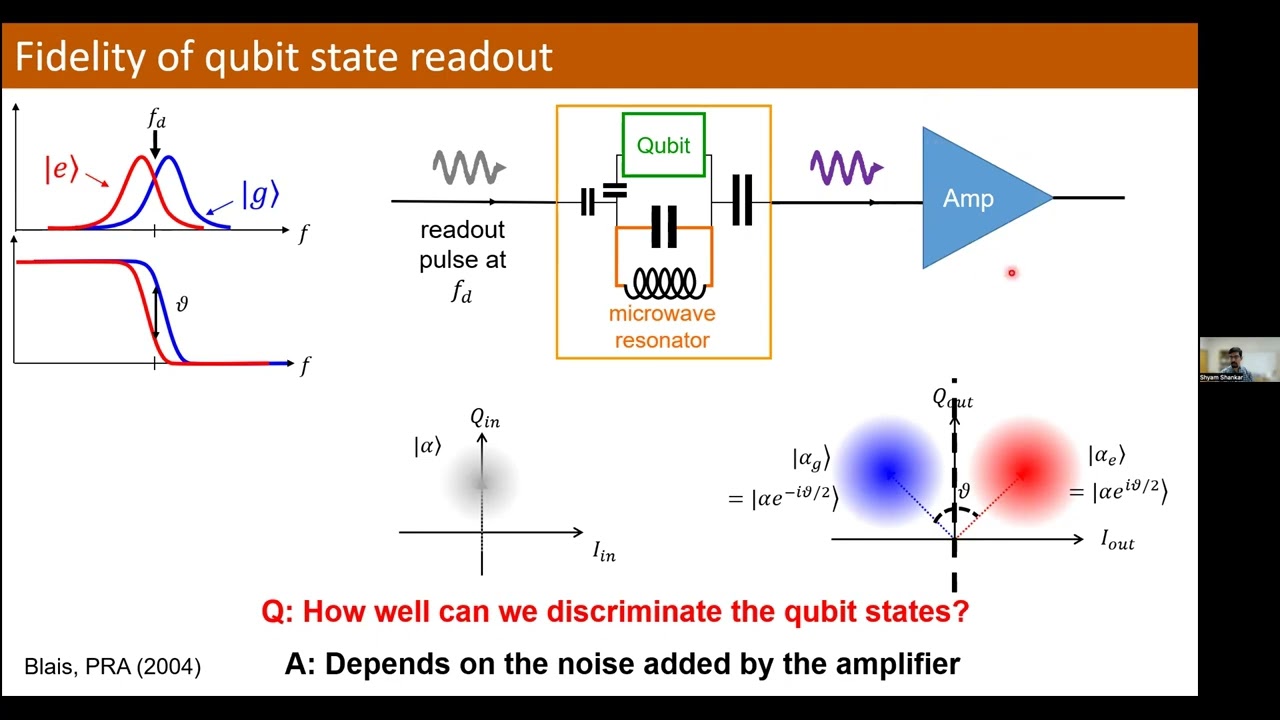
Josephson parametric amplifiers for rapid, high fidelity measurement of solid state qubits

Josephson parametric amplifiers for rapid, high fidelity measurement of solid state qubits

Возможно ли создать компьютеры с техпроцессом меньше 1 нм

Возможно ли создать компьютеры с техпроцессом меньше 1 нм

4 Hours Chopin for Studying, Concentration & Relaxation

4 Hours Chopin for Studying, Concentration & Relaxation

Laude × CSGE: Bill Joy - 50 Years of Advancements: Computing and Technology 1975-2025 (and beyond)

Laude × CSGE: Bill Joy - 50 Years of Advancements: Computing and Technology 1975-2025 (and beyond)

Lecture 15: Brain-Computer Interfaces | COGSCI 1 | UC Berkeley

Lecture 15: Brain-Computer Interfaces | COGSCI 1 | UC Berkeley

Первый взгляд на Arduino Uno Q: настройка, функции и новинки.

Первый взгляд на Arduino Uno Q: настройка, функции и новинки.

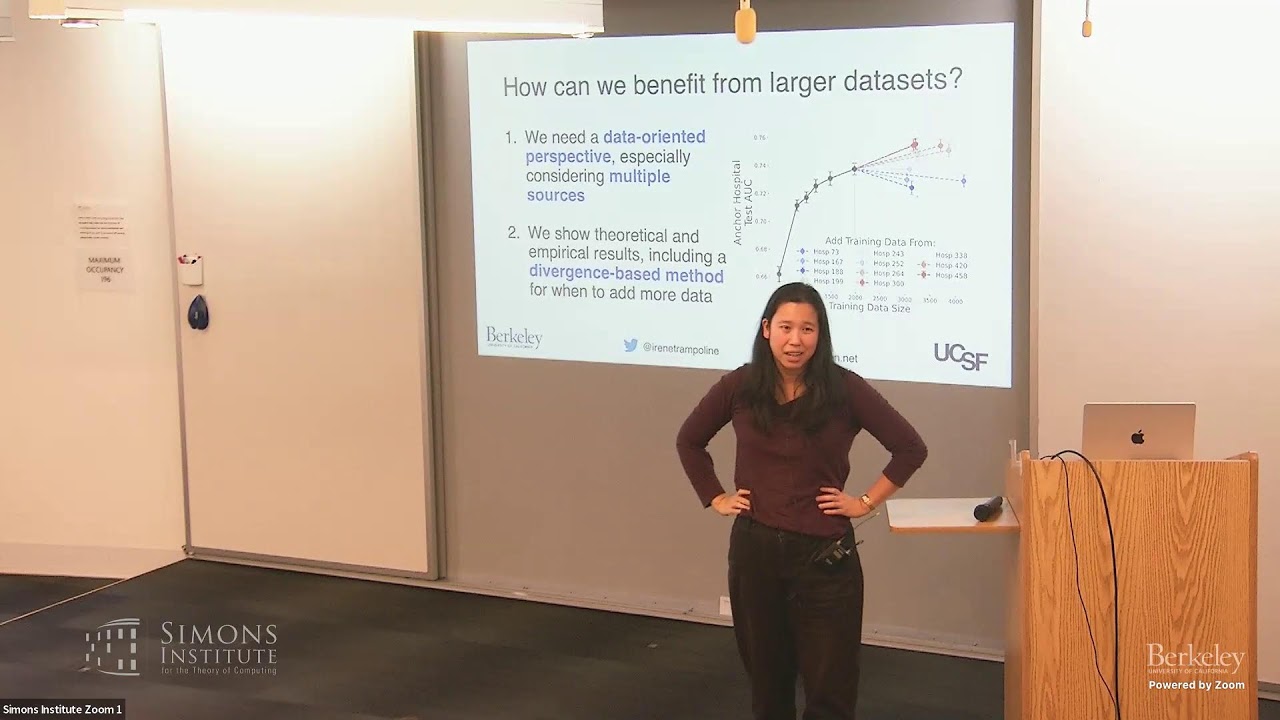
The Data Addition Dilemma

The Data Addition Dilemma

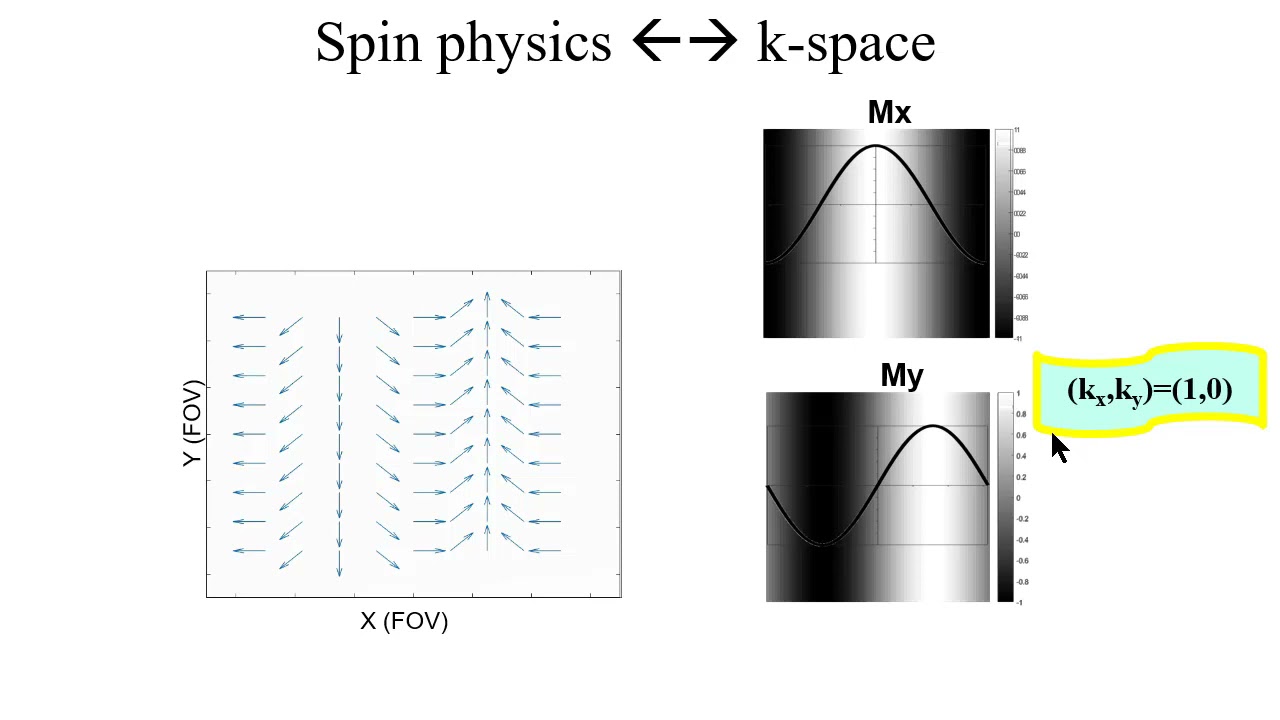
ISMRM MR Academy - Spatial Encoding & k-Space

ISMRM MR Academy - Spatial Encoding & k-Space

Strong Generalization from Small Brains and No Training Data

Strong Generalization from Small Brains and No Training Data

Dacher Keltner: Why Awe Is Such an Important Emotion

Dacher Keltner: Why Awe Is Such an Important Emotion

2. CS50 на русском: Лекция #2 [Гарвард, Основы программирования, осень 2015 год]

2. CS50 на русском: Лекция #2 [Гарвард, Основы программирования, осень 2015 год]

Магия транзисторов: как мы научили компьютеры думать с помощью кусочков кремния?

Магия транзисторов: как мы научили компьютеры думать с помощью кусочков кремния?

Для Чего РЕАЛЬНО Нужен был ГОРБ Boeing 747?

Для Чего РЕАЛЬНО Нужен был ГОРБ Boeing 747?

© 2025 ycliper. Все права защищены.


  • Контакты
  • О нас
  • Политика конфиденциальности


Контакты для правообладателей: [email protected]