patents & generic drugs
Автор: Chem Help ASAP
Загружено: 2020-08-23
Просмотров: 3694
Описание:
directory of Chem Help ASAP videos: https://www.chemhelpasap.com/youtube/
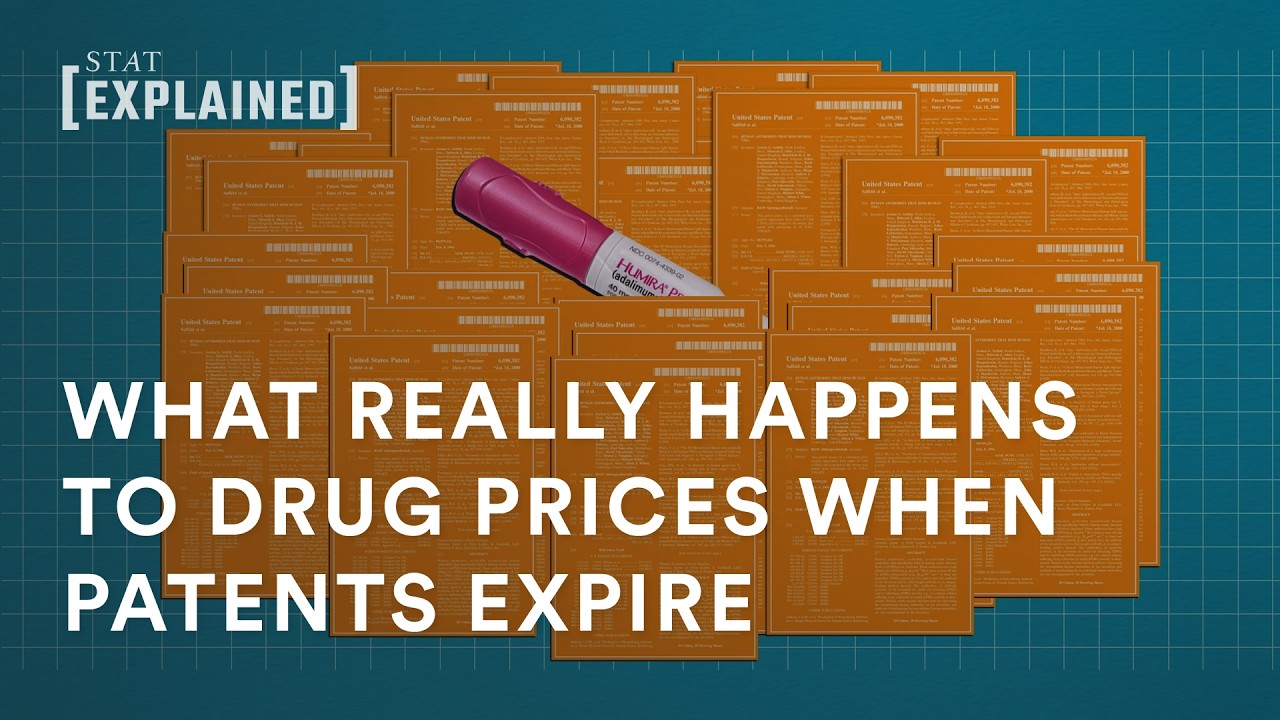
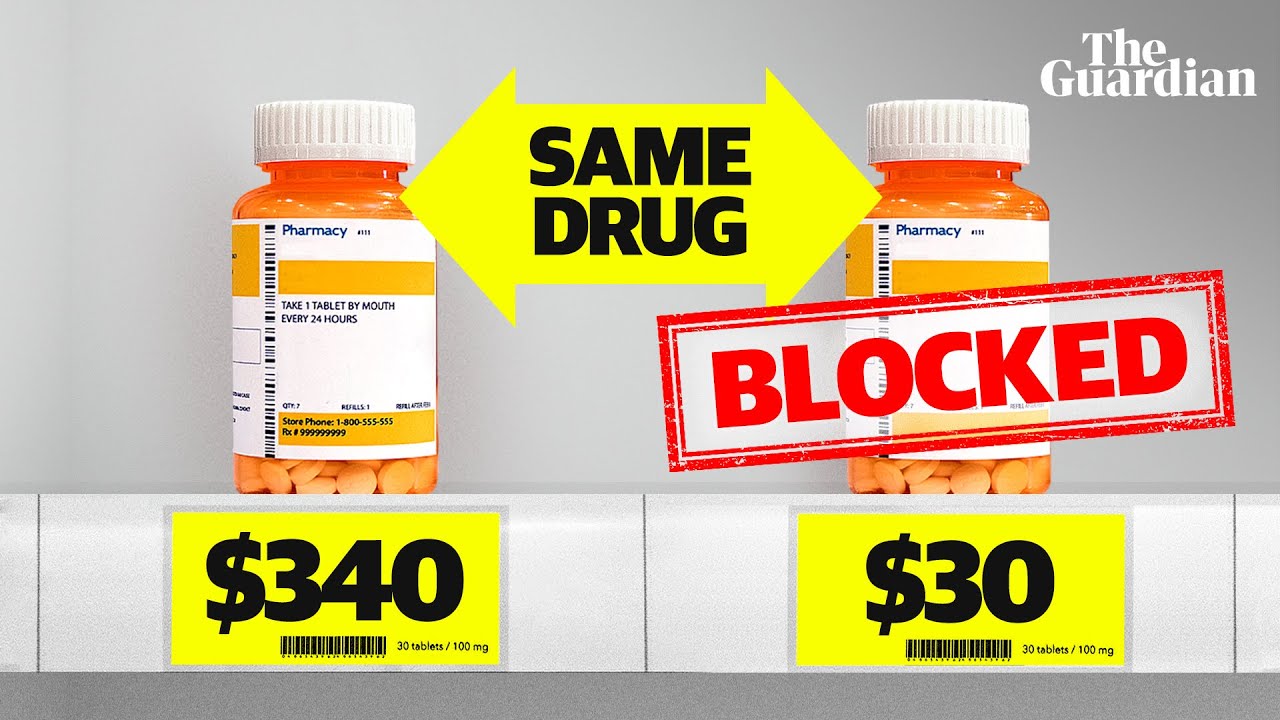
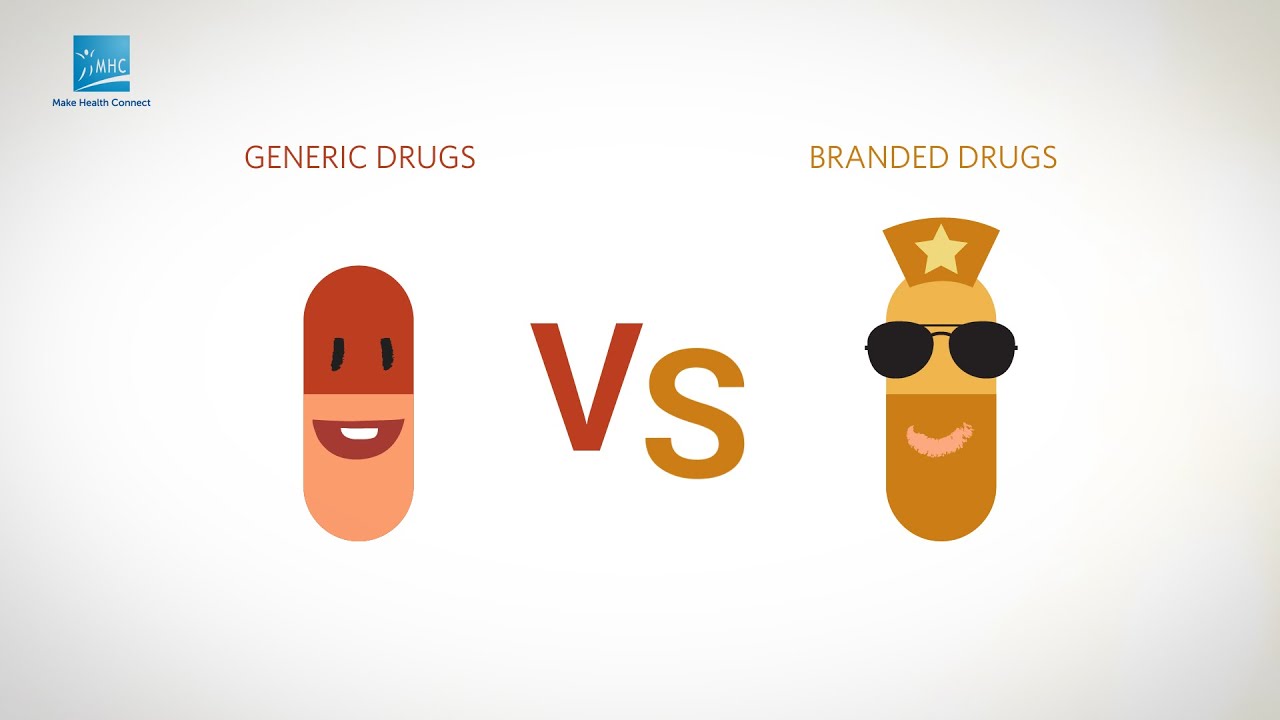
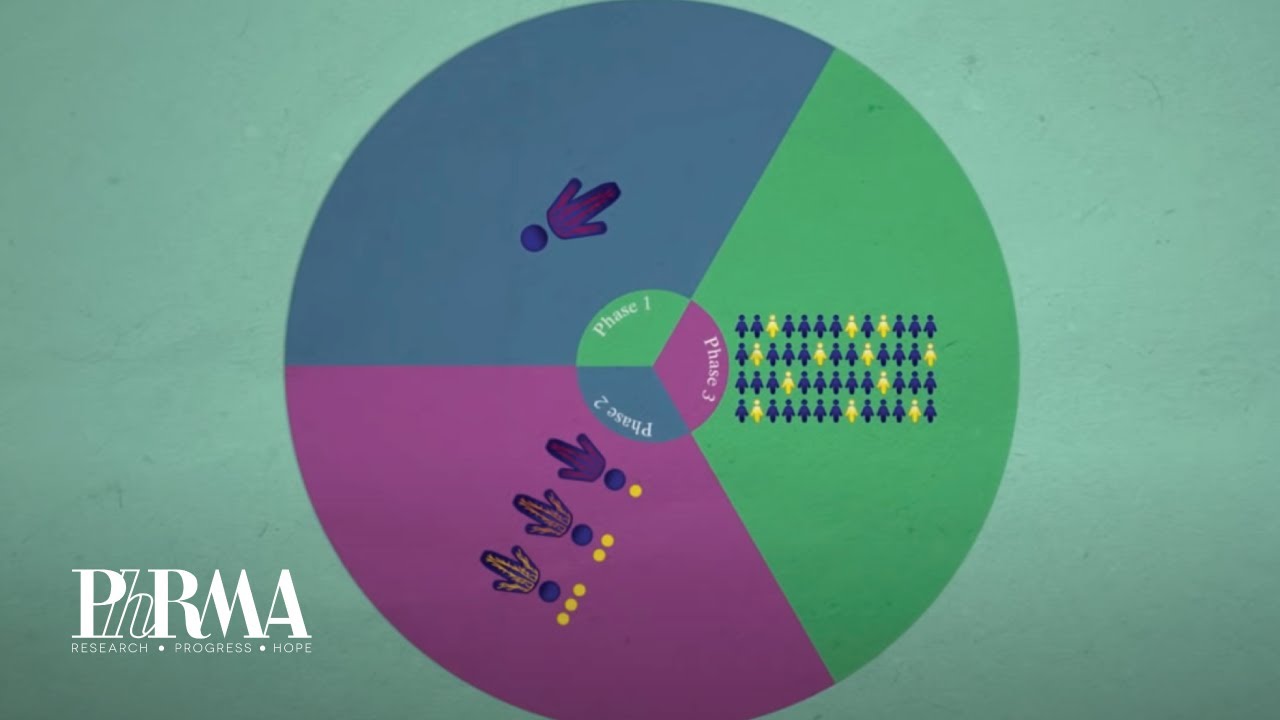
Discussions of drugs often include patents. What exactly are patents? Patents are a form of intellectual property, often called IP, Intellectual property... This is the right to a creative work. Patents are a mechanism by which an inventor can disclose an invention in exchange for the right to prevent others from selling that same invention for the term of the patent. In most parts of the world patents are effective for 20 years from the date the patent is filed. The most common type of patent with a small molecule drug is called the composition of matter patent. This type of patent covers the structure of the molecule as well as its use. Patents on a molecule are typically filed during the lead optimization or animal study pre-clinical trial phase. The time to bring a lead from pre-clinical studies all the way to approval can easily be 10-12 years. Therefore, if development requires 12 years, the company (the patent holder) has an effective patent life remaining of only about 8 years. So the exclusive time window for drugs -- 20 years -- seems like a very long time, but in practice the window is much shorter -- likely, very likely, less than 10 years. What happens when the patent expires? Generic drug makers can begin marketing their own versions of their own drug formulations of the same molecule. Generic companies seek FDA approval through an abbreviated new drug application, the ANDA. Bioequivalence tests show that the generic form behaves the same as the original version. And these tests are short and less expensive than the original clinical trials for the original drug. As generic versions fill the market, the price and profitability of the drug drug fall. Generic drugs are sold under a different name than the original drug. The original drug actually has two names. One is the brand name. The brand name is protected as a trademark, which is another form of intellectual property. The other name for the original drug is its international non-proprietary name, or INN. The INN is assigned to the molecule during clinical trials. Generic forms of a drug are sold under the INN, while the original company will continue to sell its form of the drug under the brand name. Because both the branded and generic forms contain the same drug, the same active pharmaceutical ingredient or API, both forms are considered equally safe and effective by the FDA.
Повторяем попытку...

Доступные форматы для скачивания:
Скачать видео
-
Информация по загрузке: