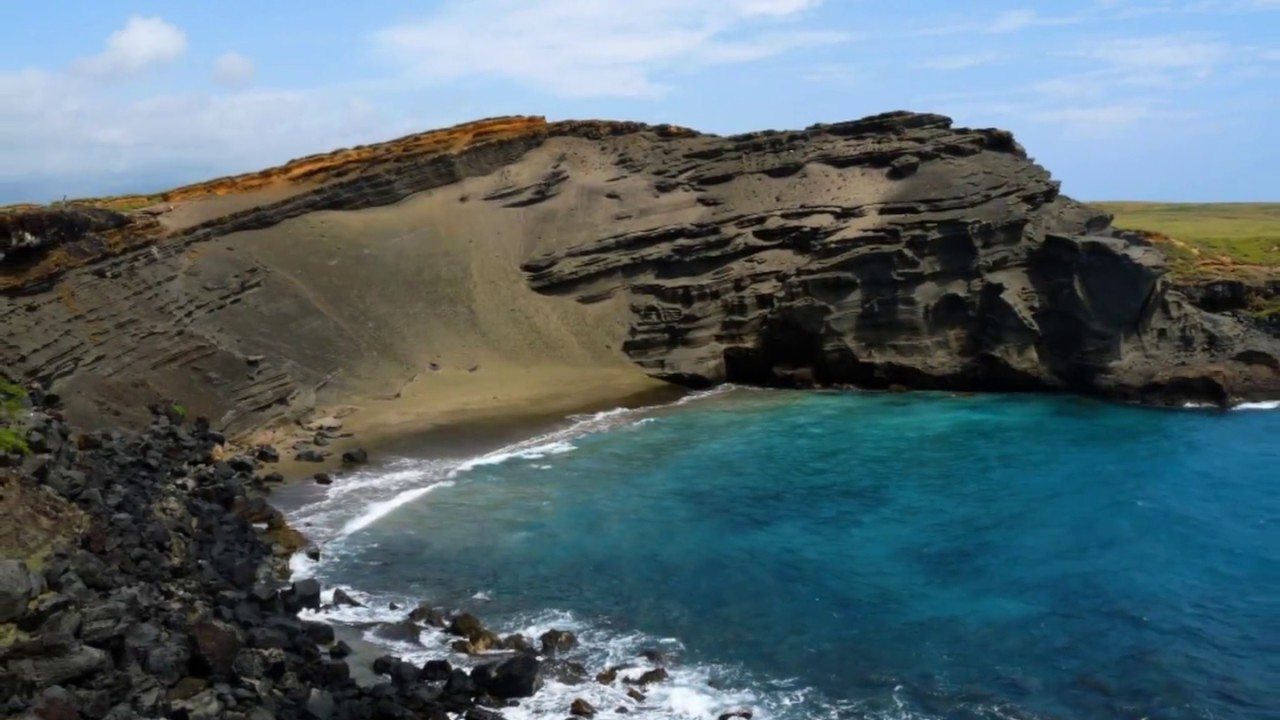
Green sand beach in Hawaii
Автор: TheFREDCAROLE
Загружено: 2011-03-26
Просмотров: 1307
Описание:
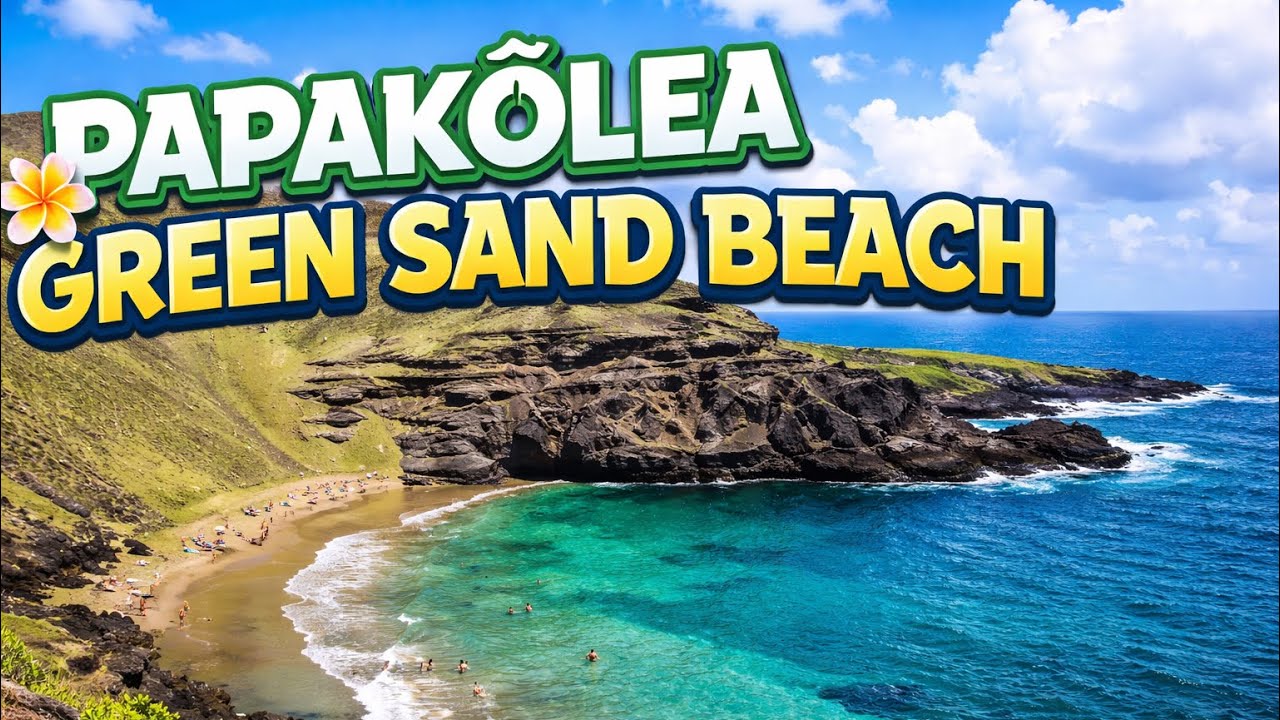
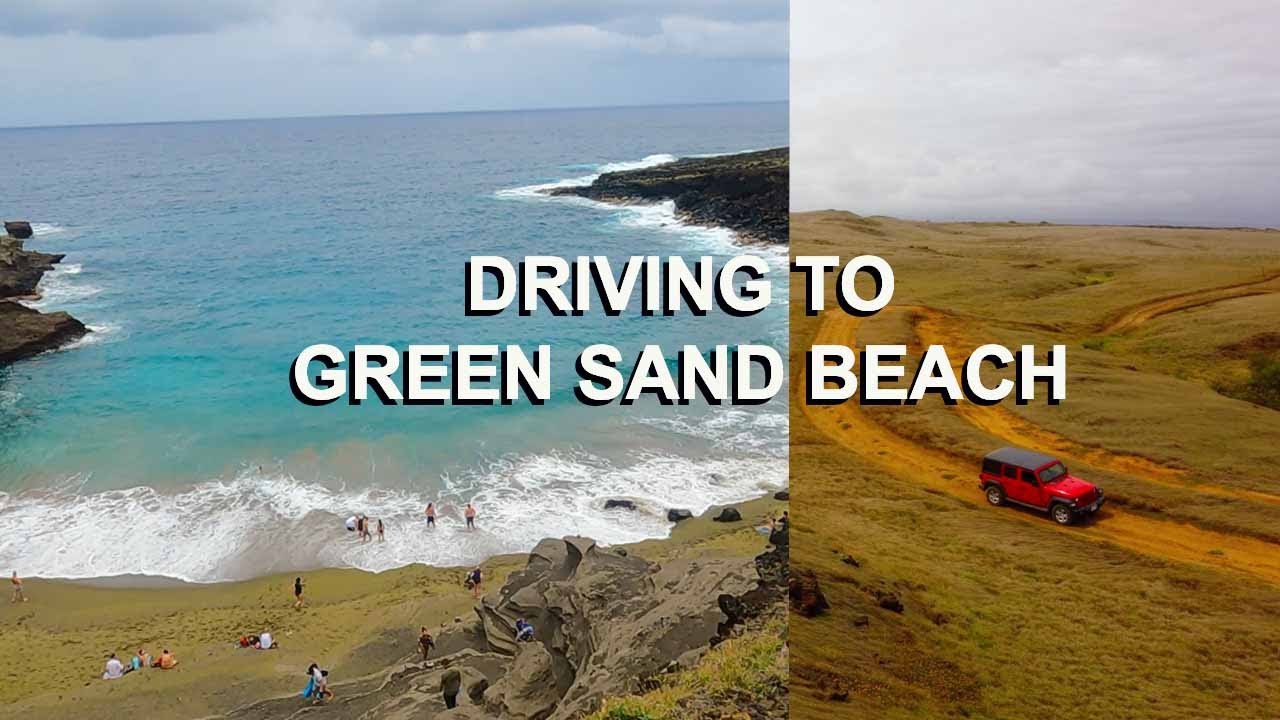
Papakōlea Beach is located in a bay half circled by Puʻu Mahana, a cinder cone formed over 49,000 years ago and associated with the southwest rift of Mauna Loa. Since its last eruption, the cinder cone has partially collapsed and been partially eroded by the ocean. The beach is sometimes named after the cinder cone, and sometimes after the area of land called Papakōlea, which comes from papa kōlea, which means plover flats in the Hawaiian language. Papakōlea is the area near the crater where the Pacific Golden Plover (Pluvialis fulva) are sometimes seen in winter.
The cinder cone is rich in olivine, a silicate mineral containing iron and magnesium, also known as peridot when of gem quality. Olivine is a common mineral component of Hawaiian lavas and one of the first crystals to form as magma cools. Olivine is locally known as "Hawaiian Diamond" and is notably found in Oʻahu's famous Diamond Head landmark. The source of the green coloration of the beach sands is due to the olivine crystals which are winnowed from the eroding headland by the action of the sea. Olivine, being denser and tougher than the ash fragments, glass and black pyroxene of the rest of the rocks and lava flows, tends to accumulate on the beach whereas the usual volcanic sand is swept out to sea. Although these crystals are eventually washed away as well, the constant erosion of the cinder cone ensures a steady supply of sand for the foreseeable future—eventually, however, the supply will run out and the beach will look like any other.
The formation of the cinder cone is currently a point of contention, with some arguing that lava flowing into the sea was suddenly cooled, forming an edifice on the coastline (a littoral cone) and others noting that the cone was most likely too far away from the ocean at the time of formation to make such an event possible. Regardless of how it was formed according to the United States Geological Survey, the last lava flow in the area ended over 10,000 years ago, making the area one of the more stable features in the geologically turbulent Kaʻū region. As such, the geologic history of the site can be seen in the rock surrounding the beach and bay, which are not subject to erosion and thus display geologic layers formed by previous eruptions, lava flows, and other volcanic events. In addition, the current patterns of erosion can be seen first-hand, as only the portions at the bottom of the cinder cone collapse have been subject to the waves and turned into green sand; the remaining portions appear gray.
In 2005, the Gemini project observed the collision of Deep Impact with the comet 9P/Tempel. By examining the aftermath of the collision in infrared, scientists were able to confirm that a portion of the material ejected was olivine crystals similar in shape and structure to the sand found at Papakolea Beach, albeit smaller. Although the comet Hale-Bopp routinely sheds green crystals from its surface, this was the first time that green sand was confirmed to exist within a comet already "cooked" by the sun.
volcano
Повторяем попытку...
Доступные форматы для скачивания:
Скачать видео
-
Информация по загрузке: