Treasures Stolen From Africa by Colonialists
Автор: Displore
Загружено: 2020-08-20
Просмотров: 5338
Описание:
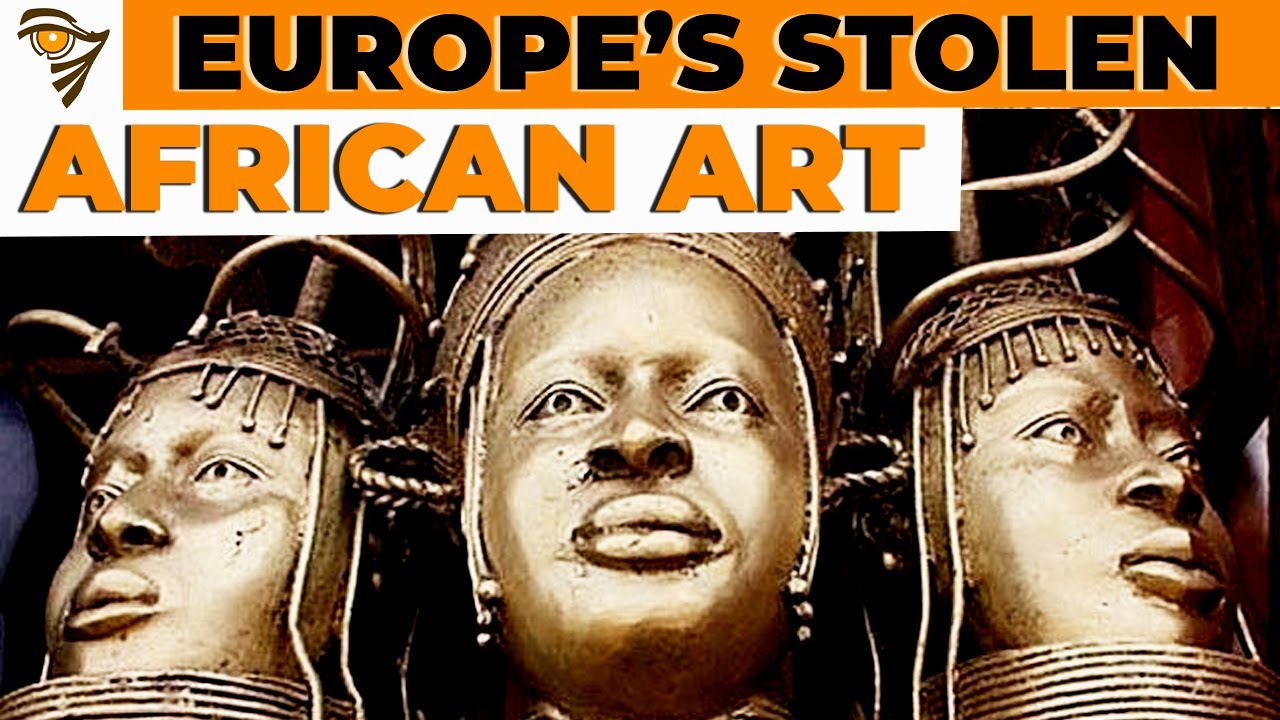
Top 10 Treasures Stolen From Africa by Colonialists
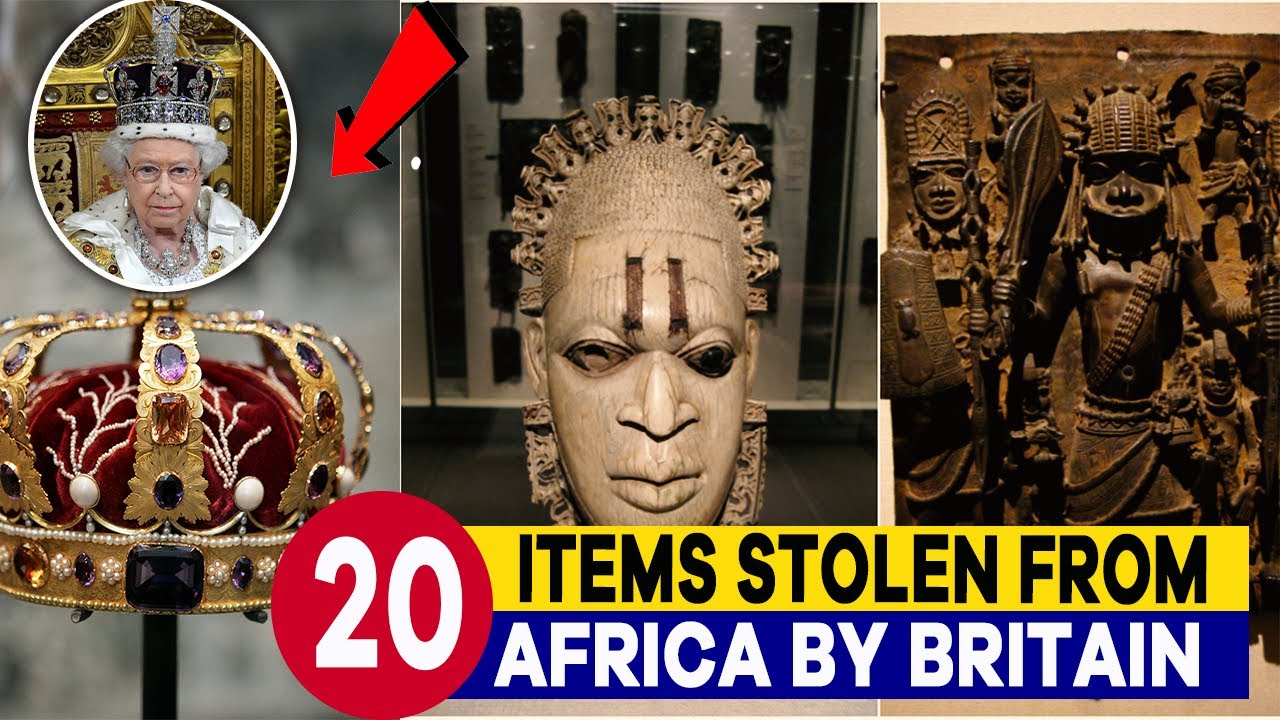
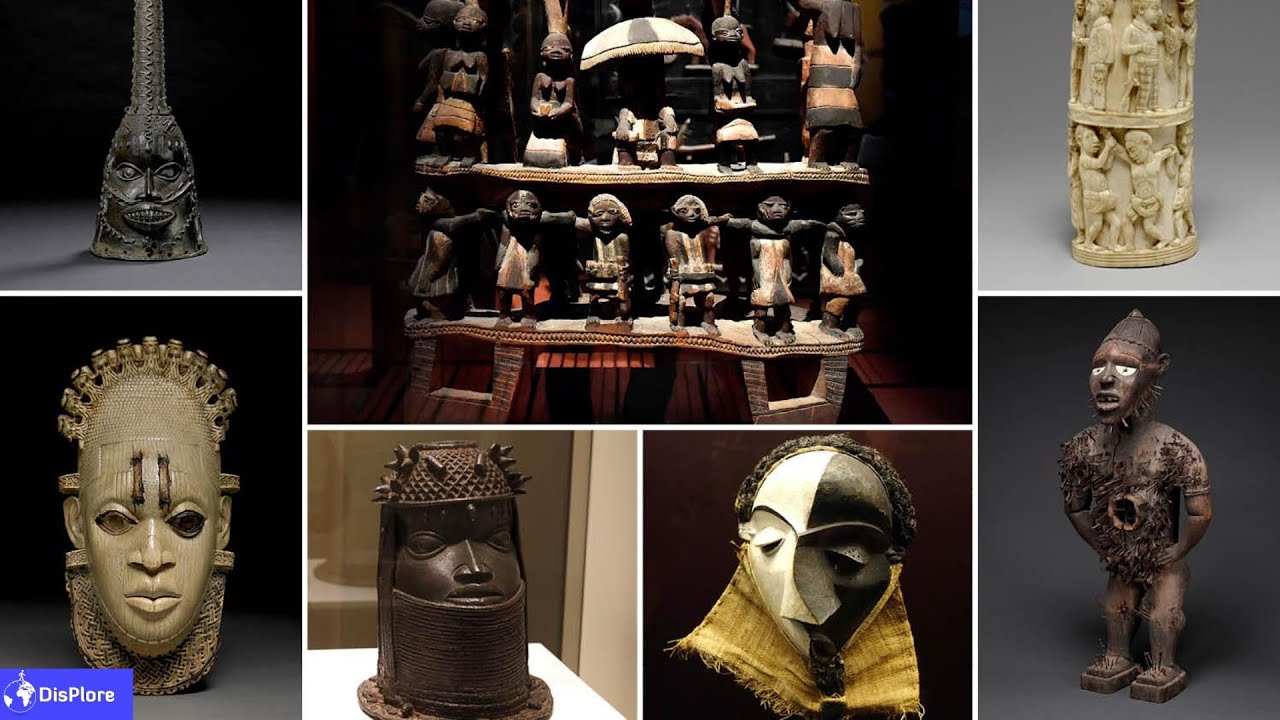
Hello Displorers, welcome to another informative video presented to you by Displore thanks for watching. In this video, we shall be presenting to you the top 10 treasures stolen from Africa by colonialists. During the raid of colonizers in Africa, they left the continent in a less wealthy way than they met it as they carried so much from Africa. From its people, raw materials, culture and even treasures, the colonizers loathed everything. Thousands of cultural artifacts were plundered and have never been returned. African countries want them back and major museums across Europe have agreed to loan some of these famous treasures back to Africa. Now France has launched a report calling for thousands of African art in its museums to be returned to the continent but the process of returning these treasures are taking forever and so we hope with a video like these, we can reminisce on the glorious artifacts that represented the great African continent before they were taken away.
If you are new here, welcome, be sure to subscribe and turn on notifications so you don’t miss any of our videos.
The true number of treasures stolen from Africa will never be accounted completely and the number of them could fall anywhere into the millions but here are some of the top 10 treasures stolen from Africa by colonialists.
1. Maqdala Treasures , Stolen From Ethiopia By Britain
The Maqdala treasures include an 18th Century gold crown and a royal wedding dress, taken from Ethiopia formerly Abyssinia by the British army in 1868. Historians say 15 elephants and 200 mules were needed to cart away all the loot from Maqdala, Emperor Tewodros II's northern citadel capital. The British raided Maqdala in protest at the detention of its consul when relations between the two powers deteriorated. The crown, admired for its silver and copper filigree designs and religious embossed images, and royal wedding dress are significant symbols of the Ethiopian Orthodox Church. Scholars believe the crown was commissioned in the 1740s by Empress Mentewwab and her son King Iyyasu and given as a gift to a church in Gondar, together with a solid gold chalice. The dress and jewelry belonged to Emperor Tewodros II's widow, Queen Woyzaro Terunesh. Ethiopia lodged a claim in 2007 for the return of the antiquities and the V&A offered to return the treasures to Ethiopia on loan but that is still to happen.
2. Bangwa Queen, Stolen From Cameroon By Britain
The 81cm tall Bangwa Queen is a wooden carving from Cameroon, representing the power and health of the Bangwa people. It is one of the world's most famous pieces of African art and has huge sacred significance for Cameroonians. Sculptures were made of titled royal wives or princesses and would be referred to as Bangwa Queens in the Bangwa land of present-day Lebialem district of Cameroon's South-West region. The Bangwa Queen is thought to have either be given to or looted by the German colonial agent Gustav Conrau in around 1899 before the territory was colonized. It ended up in the Museum für Völkerkunde in Berlin and was then bought by an art collector in 1926. According to the New York Times, US art collector Harry A Franklin bought the carving in 1966 for $29,000 and after his death it sold at a Sotheby's auction for $3.4million. Surrealist portrait photographer Man Ray also included the Queen of Bangwa in a 1937 portrait of a nude model in what the New York Times says became one of his famous images. The Dapper Foundation in Paris, France now owns the Bangwa Queen sculpture and it was on display at the Musée Dapper until 2017 when the museum that focused on African art closed because of low attendance and high maintenance costs. Traditional leaders of the Bangwa have been corresponding with the foundation, requesting its return to Cameroon. Authors of the report commissioned by President Macron, Senegalese writer and economist Felwine Sarr and French Historian Bénédicte Savoy, have recommended that French law is changed to allow the return of the African art
3. Zimbabwe Bird Stolen from Zimbabwe by Germany and Britain
A soapstone sculpture of a fish eagle is Zimbabwe's main national emblem. Eight of the Zimbabwe Birds were looted from the ruins of an ancient city. Only eight of the birds were ever recovered. They stood on the walls and monoliths of the ancient city built between the 12th and 15th Centuries by the ancestors of the Shona people. Seven of the carvings are in Zimbabwe since 2003 when the bottom section of one was returned by Germany. It had ended up in the hands of a German missionary who sold it to the Ethnological Museum in Berlin in 1907. Then after Soviet troops invaded Germany at the end of the World War Two, it was moved from Berlin to Leningrad and remained there to the end of the Cold War and then returned to Germany. The eighth remains in the old bedroom of 19th Century British i
Повторяем попытку...
Доступные форматы для скачивания:
Скачать видео
-
Информация по загрузке: