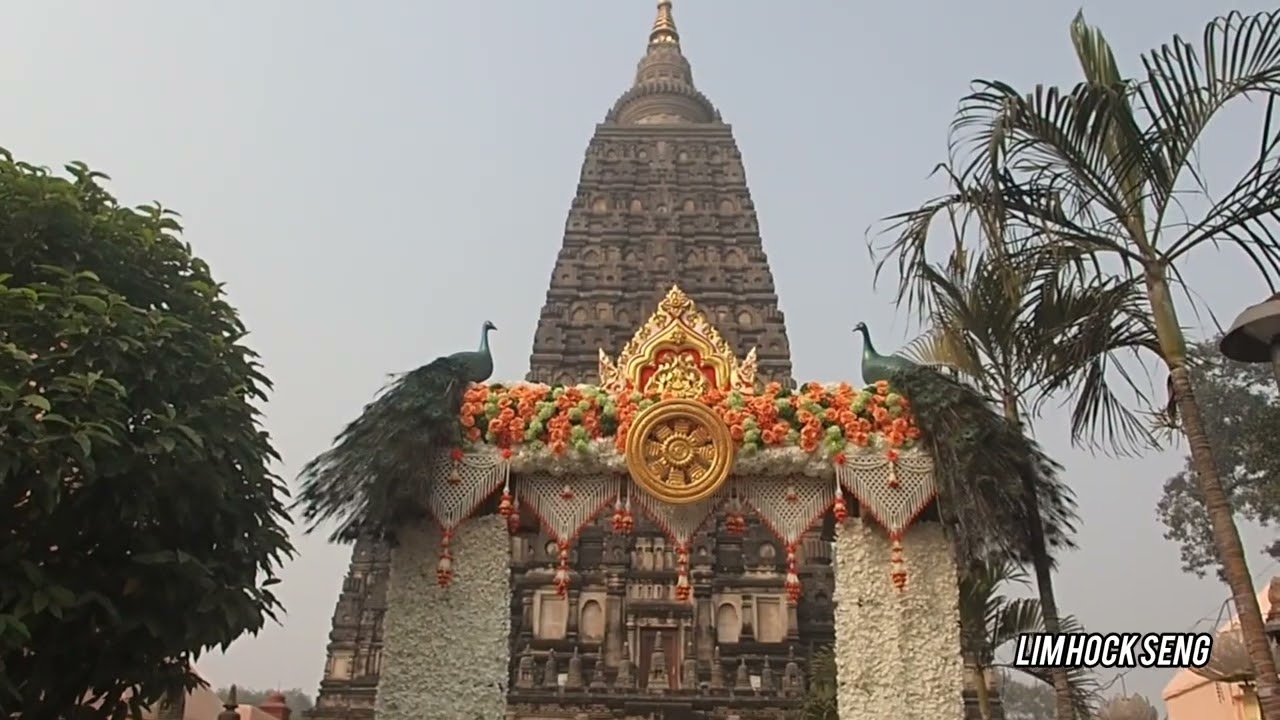
Therawada Chanting at Nalanda Mahavihara
Автор: Fushen Lin (kbguy)
Загружено: 2025-12-31
Просмотров: 47
Описание:
Nalanda Archaeological Site (Nalanda Mahavihara)
Nalanda is one of the most important archaeological and spiritual heritage sites in the world. Located in present-day Bihar, India, Nalanda was once a great center of learning that flourished from around the 5th century CE to the 12th century CE. It is widely regarded as the world’s first residential university, attracting scholars, monks, and students from across Asia, including China, Tibet, Korea, Japan, Sri Lanka, and Southeast Asia.
Historical Significance
Nalanda was established during the Gupta period, and reached its peak under the patronage of kings such as Kumaragupta I and later the Pala dynasty. The university was deeply rooted in Buddhist philosophy, especially Mahayana and later Vajrayana traditions, but it also taught subjects like logic, grammar, medicine, astronomy, mathematics, and metaphysics.
Famous scholars such as Nāgārjuna, Āryadeva, Dharmapala, and Śīlabhadra taught here. The renowned Chinese monk Xuanzang (Hsuan Tsang) studied and lived at Nalanda for several years and left detailed records that later helped archaeologists identify the site.
Archaeological Remains
The archaeological site of Nalanda reveals a well-planned and advanced educational complex. Excavations, first carried out systematically by the Archaeological Survey of India (ASI) in the early 20th century, uncovered:
Monastic complexes (Viharas) with cells for monks and students
Large temples (Chaityas) with stupas and shrines
Lecture halls and courtyards
Drainage systems and wells, showing advanced urban planning
Libraries, including the legendary multi-storey library complex known as Dharmaganja, which was said to house thousands of manuscripts
Brick structures, terracotta panels, stone sculptures, seals, and inscriptions have been found, many depicting the Buddha, Bodhisattvas, and Buddhist symbols.
Destruction and Decline
Nalanda declined after the 12th century and was eventually destroyed during invasions, most notably associated with Bakhtiyar Khilji. Ancient accounts describe its vast libraries burning for months, symbolizing the tragic loss of knowledge. Over time, the site was abandoned and buried until rediscovered centuries later.
Nalanda Today
Today, Nalanda is a protected archaeological park and a UNESCO World Heritage Site (inscribed in 2016). Visitors can walk among the ruins, imagining the vibrant intellectual life that once thrived there. Nearby, the Nalanda Archaeological Museum displays sculptures, inscriptions, and artifacts uncovered during excavations.
Nalanda stands not only as an archaeological treasure but also as a powerful symbol of peaceful learning, intercultural exchange, and the Buddhist pursuit of wisdom and compassion. Its legacy continues to inspire scholars and pilgrims from around the world.
Повторяем попытку...

Доступные форматы для скачивания:
Скачать видео
-
Информация по загрузке: