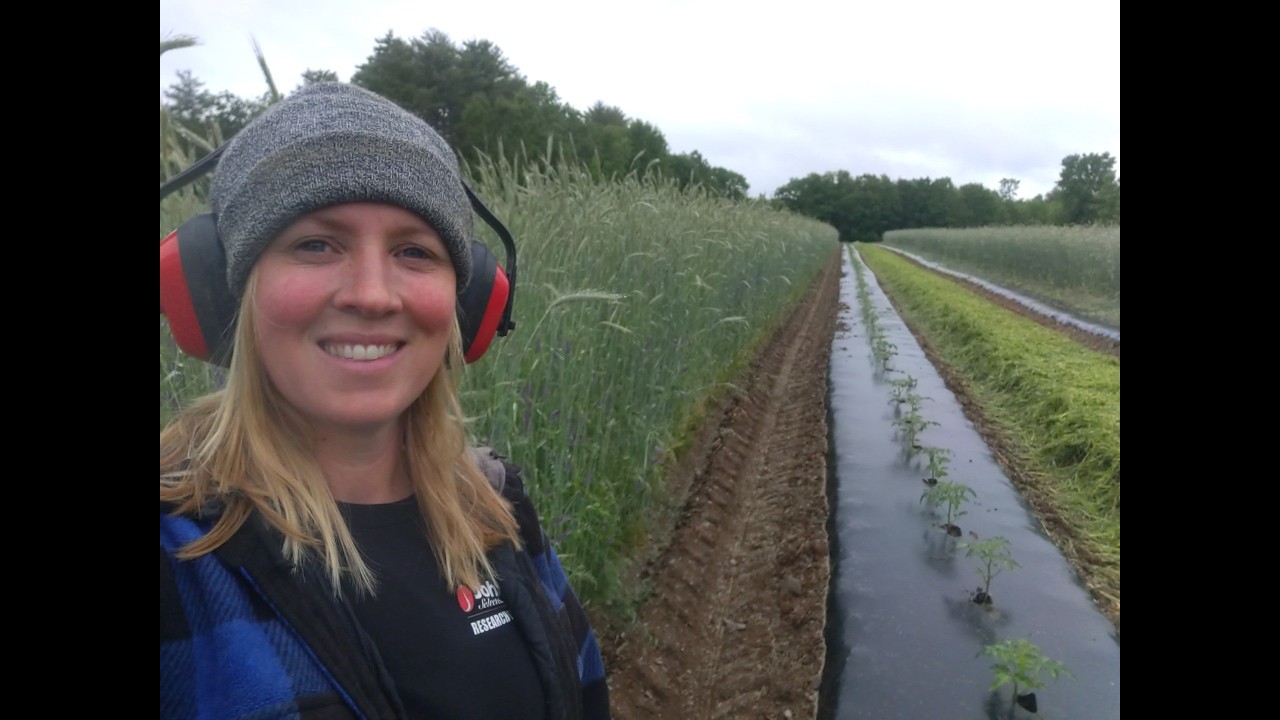
Cover Crops Soil Solarization
Автор: The Vegetable Doctor
Загружено: 2023-11-15
Просмотров: 67
Описание:
April 2015
All videos in this series are around an hour long and provide an in depth presentation over their selected topics. We recommend listening to these videos during your daily commute, while working in the garden, or played on your TV.
In the realm of sustainable agriculture, two powerful techniques—cover cropping and soil solarization—have gained prominence for their ability to enhance soil health, suppress weeds, and promote efficient water use. These practices exemplify nature-inspired strategies that harness the power of the sun and the diversity of plant life to create resilient and productive agricultural systems. This presentation explores the fundamentals of cover cropping and soil solarization, shedding light on how these methods can revolutionize modern farming for a more sustainable future.
Cover Crops: A Green Blanket for the Soil:
1. Nutrient Cycling:
Cover crops, also known as green manure, play a pivotal role in nutrient cycling. These crops are strategically planted during periods when the main cash crops are not in the field, preventing soil erosion and capturing nutrients. When the cover crops are later incorporated into the soil, they release these nutrients, enriching the soil for subsequent crops.
2. Weed Suppression:
The vigorous growth of cover crops shades the soil, suppressing weed germination and growth. This natural weed control minimizes the need for herbicides, fostering a healthier and more ecologically balanced farming system.
3. Enhanced Soil Structure:
Cover crops contribute to improved soil structure by promoting root growth and microbial activity. Their root systems create channels for air and water movement, preventing soil compaction and enhancing overall soil friability.
4. Disease Suppression:
Certain cover crops release compounds that inhibit the growth of soil-borne pathogens. This biofumigation effect reduces the incidence of diseases in subsequent crops, presenting an eco-friendly alternative to chemical soil treatments.
Soil Solarization: Harnessing the Sun's Energy for Soil Health:
1. Heat Treatment for Pest Control:
Soil solarization involves covering moist soil with transparent plastic sheets, allowing the sun's energy to heat the soil to temperatures lethal to many soil-borne pests, pathogens, and weed seeds. This natural heat treatment eliminates or significantly reduces the need for chemical fumigants.
2. Weed Control:
Beyond pest and pathogen control, soil solarization effectively suppresses weeds. The elevated temperatures beneath the plastic sheets inhibit weed seed germination and kill existing weeds, providing a weed-free environment for subsequent crops.
3. Enhanced Nutrient Availability:
Solarization enhances nutrient availability in the soil by accelerating the breakdown of organic matter. The increased microbial activity under the plastic sheets promotes the release of nutrients, creating a fertile and productive soil environment.
4. Water Use Efficiency:
By conserving soil moisture, soil solarization contributes to water use efficiency in agriculture. The plastic covering reduces water evaporation from the soil surface, ensuring that moisture is retained for the benefit of crops.
Synergy in Action: Integrating Cover Crops and Soil Solarization:
The combination of cover cropping and soil solarization can create a synergistic effect, addressing multiple aspects of soil health and pest management. Cover crops provide organic matter, enhance soil structure, and contribute to weed and disease suppression, while soil solarization acts as a powerful, non-chemical method for pest and weed control. Together, they offer a holistic and environmentally friendly approach to cultivating healthy soils and sustaining agricultural productivity.
Cover cropping and soil solarization stand as testaments to the ingenuity of sustainable farming practices. By integrating these techniques, farmers can enhance soil fertility, reduce the reliance on synthetic inputs, and mitigate the environmental impact of conventional agricultural practices. As the agricultural landscape evolves, embracing the dual benefits of cover crops and soil solarization represents a forward-thinking approach that aligns with the principles of ecological balance and resource efficiency, paving the way for a more sustainable and resilient future in agriculture.
Повторяем попытку...

Доступные форматы для скачивания:
Скачать видео
-
Информация по загрузке: