Traditional Martial Arts of Sri Lanka - Angampora Life
Автор: LIFE
Загружено: 2018-08-27
Просмотров: 2107
Описание:
A Nation’s Legacy
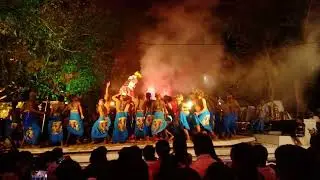
Angampora (Sinhalese: අංගම්පොර, is a form of martial art from Sri Lanka that combines combat techniques, self-defense, sport, exercise, and meditation. A key component of angampora is the namesake angam, which incorporates hand-to-hand fighting, and illangam, involving the use of indigenous weapons such as the ethunu kaduwa, staves, knives and swords. Another component known as maya angam, which uses spells and incantations for combat, is also said to have existed. Angampora's distinct feature lies in the use of pressure point attacks to inflict pain or permanently paralyze the opponent. Fighters usually make use of both striking and grappling techniques, and fight until the opponent is caught in a submission lock that they cannot escape. Usage of weapons is discretionary. Perimeters of fighting are defined in advance, and in some of the cases is a pit. With the advent of colonialism over the entirety of the island in 1815, Angampora fell into disuse and was very nearly lost as a part of the country's heritage. The British administration prohibited its practice due to the dangers posed by a civilian populace versed in a martial art, burning down any angan madu (practice huts devoted to the martial art) found: flouting of the law was punished by a gunshot to the knee, effectively crippling practitioners; Angampora nevertheless survived within a few families, allowing it to emerge into mainstream Sri Lankan culture post-independence.
Our tradition was started from the Yakka ancestry of the Great Great Angampora Worrior called Katharagama Manasen Born before 30000 years in this country. Later at the time of Maha Ravana, the patriot angampora worrior of Ancient Sri Lanka, this system was developed to world's best fighting system and then introduced to Buddhist Civilization. This great fighting style was later recognized as Angam or angamharamba and according to "Sinhala Rajavaliya", all the heads of ancient monarch practiced angampora and gave it to the next generation. This system of fighting art was dedicated to protect the nation and the Buddhism.
A number of paintings related to angampora are found at Buddhist temples in Sri Lanka. These include Embekka Devalaya, Gadaladeniya Rajamaha Viharaya, Temple of the Tooth, Saman Devalaya (Ratnapura) and Lankathilaka Rajamaha Viharaya.
The angam component is divided into three main disciplines, gataputtu (locks and grips), pora haramba (strikes and blocks) and maru kala (nerve point attacks). Gataputtu are placed on an opponent using the fighter's hands, legs or head. Pora Haramba include approximately eighteen forms of offensive strikes and seven of defensive blocks. Maru kala is the component that incorporates nerve-point attacks capable of inflicting pain on the opponent and also of causing serious injury.
Several locks
Diyaballu gataya
Kathira gataya
Pimburu gataya
Wanda gataya
Hasthi gataya
Lin gataya
Konda gataya
Several offensive strikes:[23]
Dik gutiya
Cholle
Tokke
Len pahara
Miti pahara/Miti gutiya
Miti guliya
Veesi pahara
Athul pahara
Pita pahara
Thallu pahara
Vakka pahara
Повторяем попытку...

Доступные форматы для скачивания:
Скачать видео
-
Информация по загрузке: