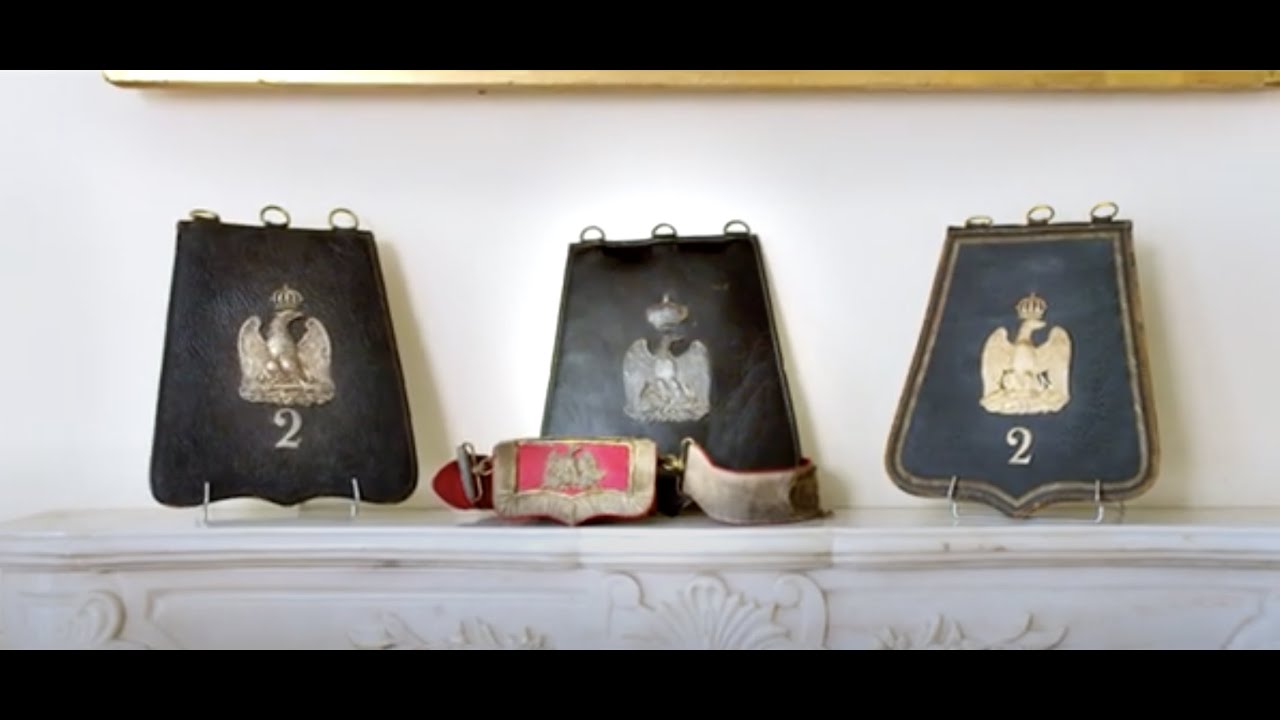
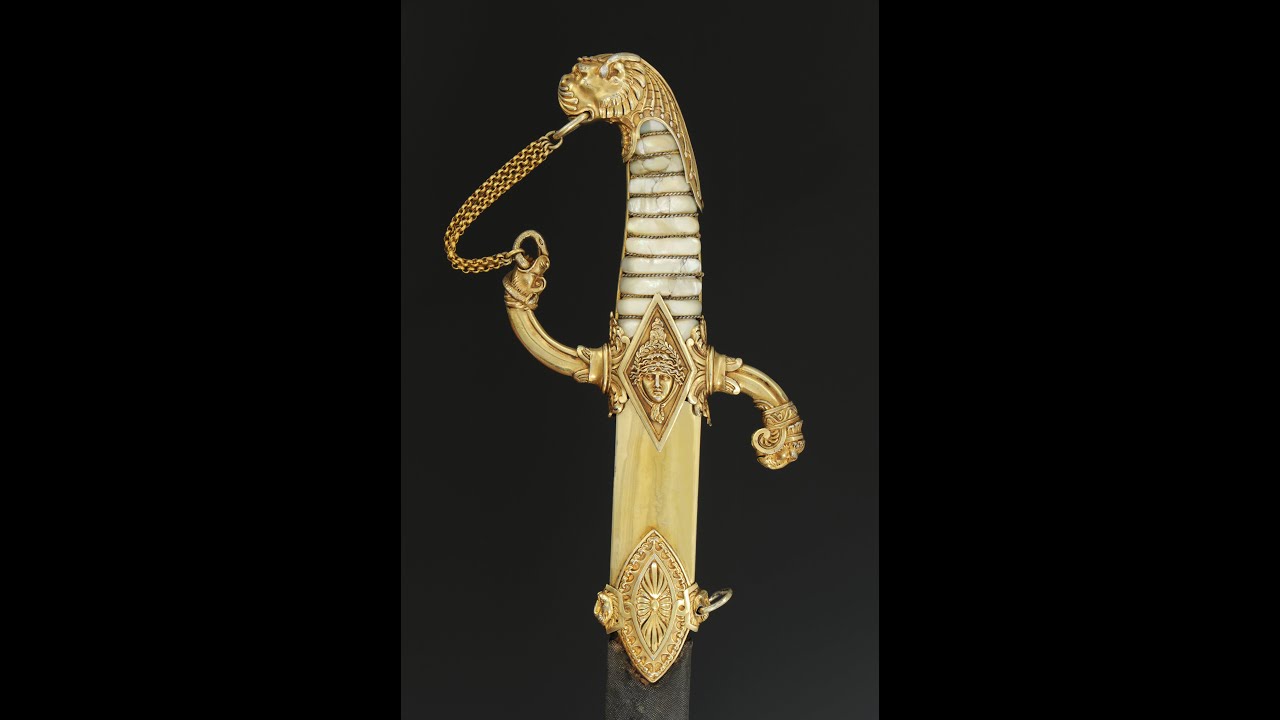
Les batailles Napoléonienne à travers des objets de la collection Bertrand Malvaux expert CNES
Автор: BertrandMalvaux
Загружено: 2011-10-11
Просмотров: 4613
Описание:
http://www.bertrand-malvaux.fr/
Les batailles de Napoléon
Musique: Pour l'Empereur
CONSULATE – FIRST EMPIRE
On 2nd December 1804, Bonaparte became Emperor of the French people under the name Napoleon I. The Emperor wanted to enlarge his country and to conquer Europe. He went to war with neighbouring countries. Although the French fleet was defeated in 1805 in Trafalgar, in Spain, France won great battles among which the best-known are: in Austria, Ulm and Austerlitz (1805) ; in Germany, Iena (1806), Eylau (1807), Friedland (1807) and Eckmühl (1809). After a short period of peace, Napoleon launched the Grande Armée into the campaign of Russia in 1812, which was a dramatic disaster for the Napoleonic epic. The battle of Borodino, on 7th September, was the most fatal of all the Napoleonic campaigns ; 51,000 Russians and 30,000 Frenchmen were killed or wounded ; seven days later, on 14th September 1812, the Emperor, in front of deserted and blazing Moscow, was forced to beat a retreat, during which 400,000 men died! In 1813 in Leipzig, the ‘battle of the nations’ was lost by Emperor Napoleon. Although the Grande Armée won many battles during the campaign of France in 1814, Paris was captured and the Emperor abdicated on 6th April ; he was sent on exile on Elba.
Napoleon’s army was a national army ; enrolment was based on draft, which grew larger and larger (60,000 men in 1803 ; 857,000 in 1813!). Conflicts constantly required new recruits, so that Napoleon integrated a lot of troops from annexed countries in his army. Out of the 2,400,000 men drafted under the Empire, 600,000 men came from allied European countries. Because of the large number of troops, one of the key problems was supplying the troops, as we can read in the soldiers’ letters ; getting something to eat remained the most important worry for them during the campaigns of the Empire. Officers learnt their job in military schools which Napoleon went on developing. Soldiers merely got very basic teaching, which they had to learn directly on the job. The organisation of infantry did not evolve much ; regiments were gathered in divisions and united in army corps. The Cavalry fulfilled numerous roles. The Artillery developed a lot ; at its height it consisted of 1,200 cannons and 55,500 gunners.
The most spectacular innovation of Napoleon I for his army was the creation of an Imperial Guard, in 1804, which represented the elite of the troops, somehow like the Maison du Roi (the King’s Household) of the previous century. But it was much larger since it included about 80,000 soldiers. This Guard was selected, better paid, better equipped and very well organized. It was composed the same way as the line army, the infantry, the cavalry, the artillery, the navy, etc.
Повторяем попытку...

Доступные форматы для скачивания:
Скачать видео
-
Информация по загрузке: