#9 17/08/2022 Grecia - Sito Archeologico di Asini a Tolo
Автор: Adolfo Leonardi
Загружено: 2022-10-01
Просмотров: 82
Описание:
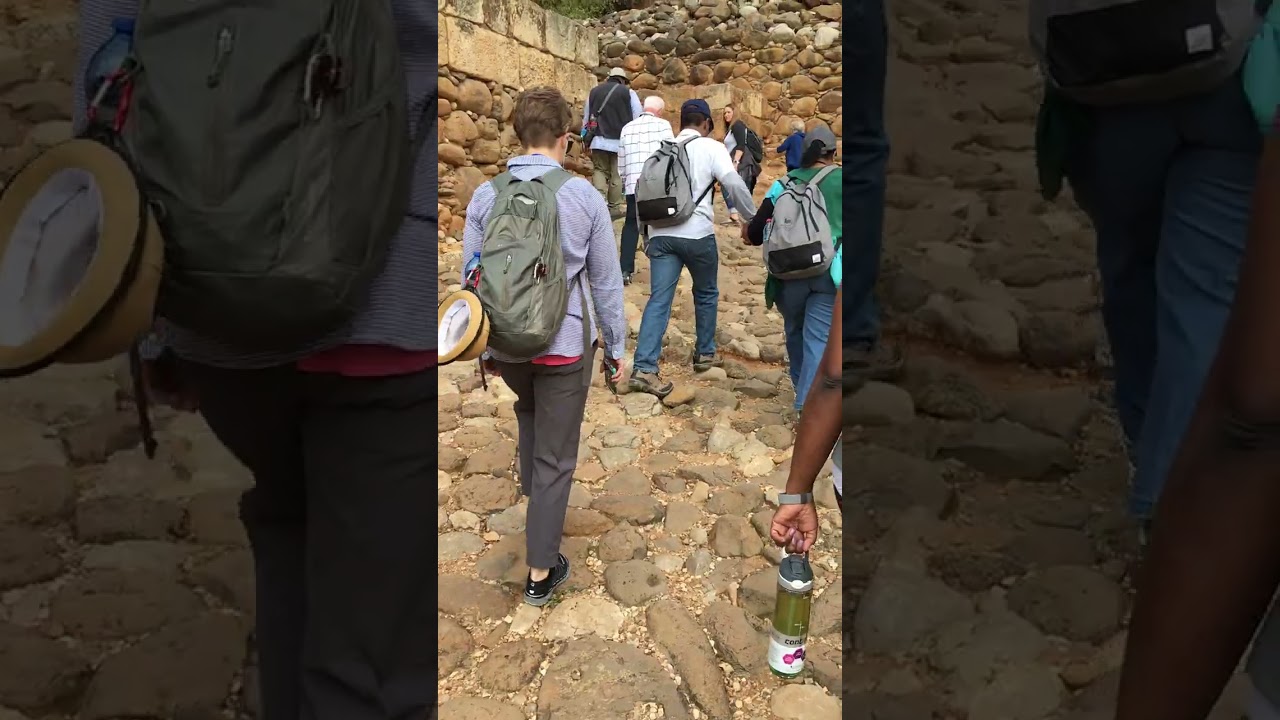
Al tramonto abbiamo visitato il sito archeologico di Asini vicino a Tolo.
Si trovava a pochi km. da Nauplia e Omero la indica come parte del regno di Diomede, re di Argo.[1]
In origine fu una città driope,[2] che era stata abitata dal periodo elladico alla fine del periodo geometrico. Era stata abbandonata e poi tornata ad essere un luogo abitato nel periodo ellenistico.[3]
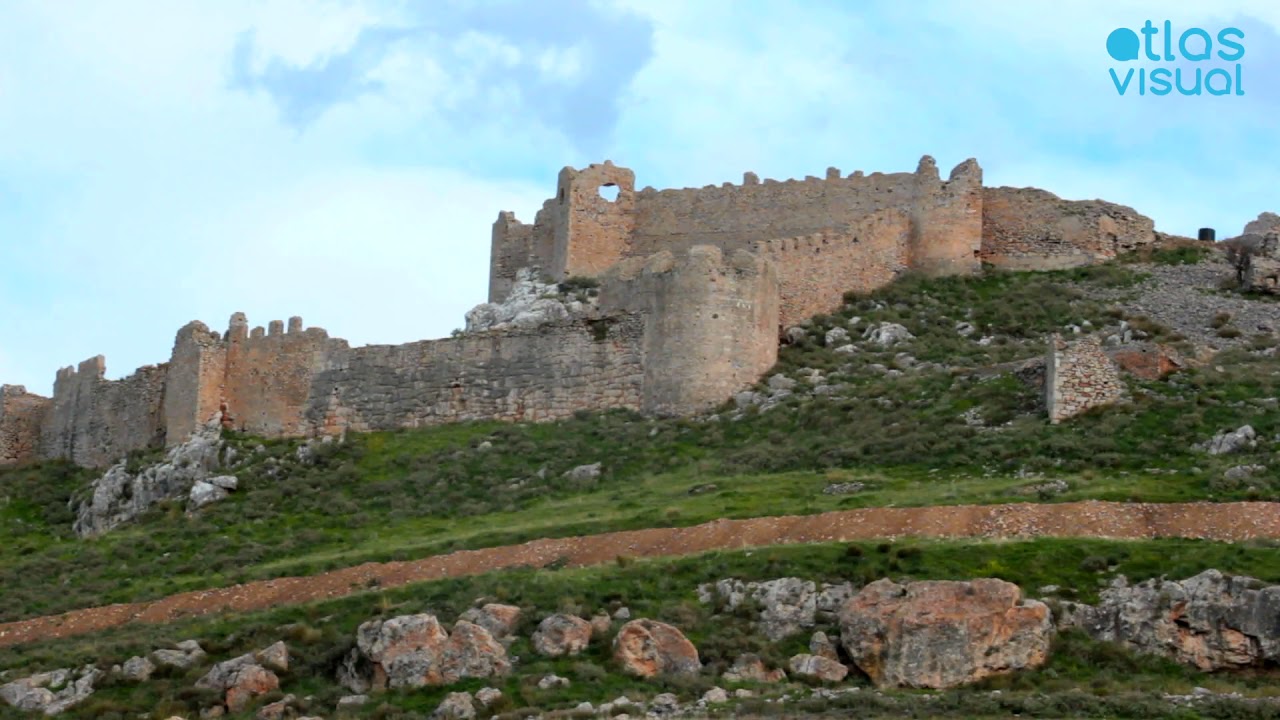
La sua posizione è stata scoperta dagli archeologi svedesi Otto Frödin e Axel W. Persson, sulla costa vicino all'attuale Tolo.[3] Gli scavi archeologici condotti dal 1922, con la partecipazione dell'allora principe ereditario Gustavo Adolfo di Svezia, hanno consentito di portare alla luce l'acropoli circondata da mura ciclopiche e una necropoli di epoca micenea. Gli scavi sono andati avanti dal 1920 quasi ininterrottamente, condotti dall'Istituto svedese di Atene. Il sito è stato usato per ultimo come postazione fortificata dalle truppe italiane durante la seconda guerra mondiale.
Nel 740 a.C., il Argivi e il loro re Erato lanciarono una spedizione militare contro Asine, la misero sotto assedio e dopo una breve resistenza degli assediati, distrussero la città dalle fondamenta, perché i suoi cittadini avevano aiutato gli Spartani e il loro re Nicandro nella guerra contro Argo. Dopo la distruzione, gli Argivi si annessero il territorio di Asine e i suoi abitanti si stabilirono nella città di Asine in Messenia, nella terra che era stata loro data dagli Spartani.[4] Questa guerra, raccontata solo da Pausania, dovette svolgersi, in base ai dati archeologici, nella seconda metà dell'VIII secolo a.C.[5]
----
Asine (/ˈæsɪniː/; Ancient Greek: Ἀσίνη) was an ancient Greek city of ancient Argolis, located on the coast. It is mentioned by Homer in the Catalogue of Ships in the Iliad as one of the places subject to Diomedes, king of Argos.[1] It is said to have been founded by the Dryopes, who originally dwelt on Mount Parnassus. In one of the early wars (740 BCE) between the Lacedaemonians and the Argives, the Asinaeans joined the former when they invaded the Argive territory under their king Nicander; but as soon as the Lacedaemonians returned home, the Argives laid siege to Asine and razed it to the ground, sparing only the temple of the Pythaëus Apollo. The Asinaeans escaped by sea; and the Lacedaemonians gave to them, after the end of the First Messenian War, a portion of the Messenian territory, where they built a new town (also named Asine). Nearly ten centuries after the destruction of the city its ruins were visited by Pausanias, who found the temple of Apollo still standing.[2][3]
Its site is located near the modern Tolon.[4][5]
Excavations made from 1922 by Swedish archaeologists led by Axel W. Persson (and involving the then Crown Prince Gustav Adolf of Sweden) found the acropolis of ancient Asine surrounded by a Cyclopean wall (much modified in the Hellenistic era) and a Mycenaean era necropolis with many Mycenaean chamber tombs containing skeletal remains and grave goods. Excavations have continued since the 1920s almost continuously under the Swedish Institute at Athens.[6] The site was last used as a fortified position by Italian troops during the second world war when machine gun nests were built.
Повторяем попытку...

Доступные форматы для скачивания:
Скачать видео
-
Информация по загрузке: