Javelin Throw | Unlock More Distance with Hip–Shoulder Separation
Автор: Jacked Javelin
Загружено: 2025-09-03
Просмотров: 1823
Описание:
Download The Jacked Javelin App!
Apple: https://apps.apple.com/us/app/jacked-...
Android: https://play.google.com/store/apps/de...
Download our free Javelin course!: https://www.jackedjavelin.com/free-ja...
Purchase one of our Training Programs!: https://www.jackedjavelin.com/trainin...
Jacked Javelin Plyo Balls: https://www.jackedjavelin.com/plyo-balls
Subscribe To My Podcast! @TheGapPod
IG: jacked.javelin
0:00 Intro
1:00 Hip Shoulder Separation Defined
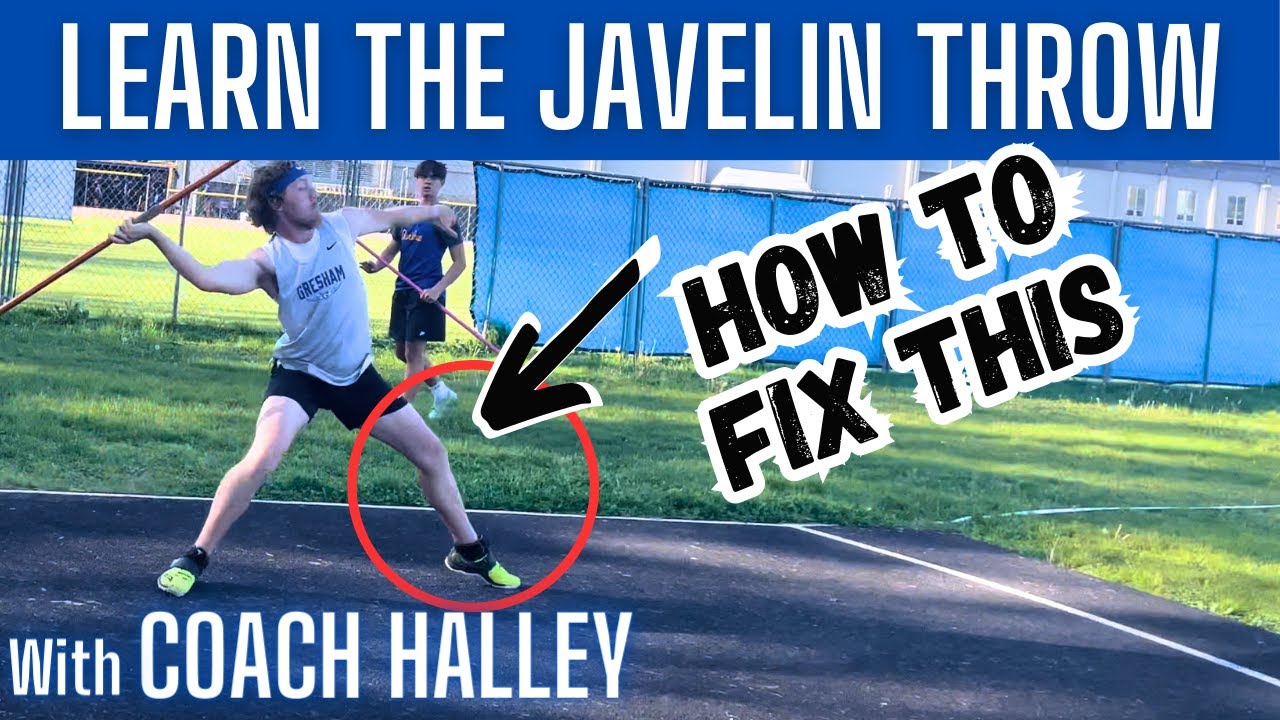
2:04 Importance of The Squatty Back Foot
3:38 Importance of The Power Position
4:01 Penultimate, Back Foot Contact, & Block
5:37 Kneeling Football Throws
6:26 5 Step med ball throw
6:46 3 BFC Hop Drill
7:24 Impulse Drill
8:07 Hard Picks
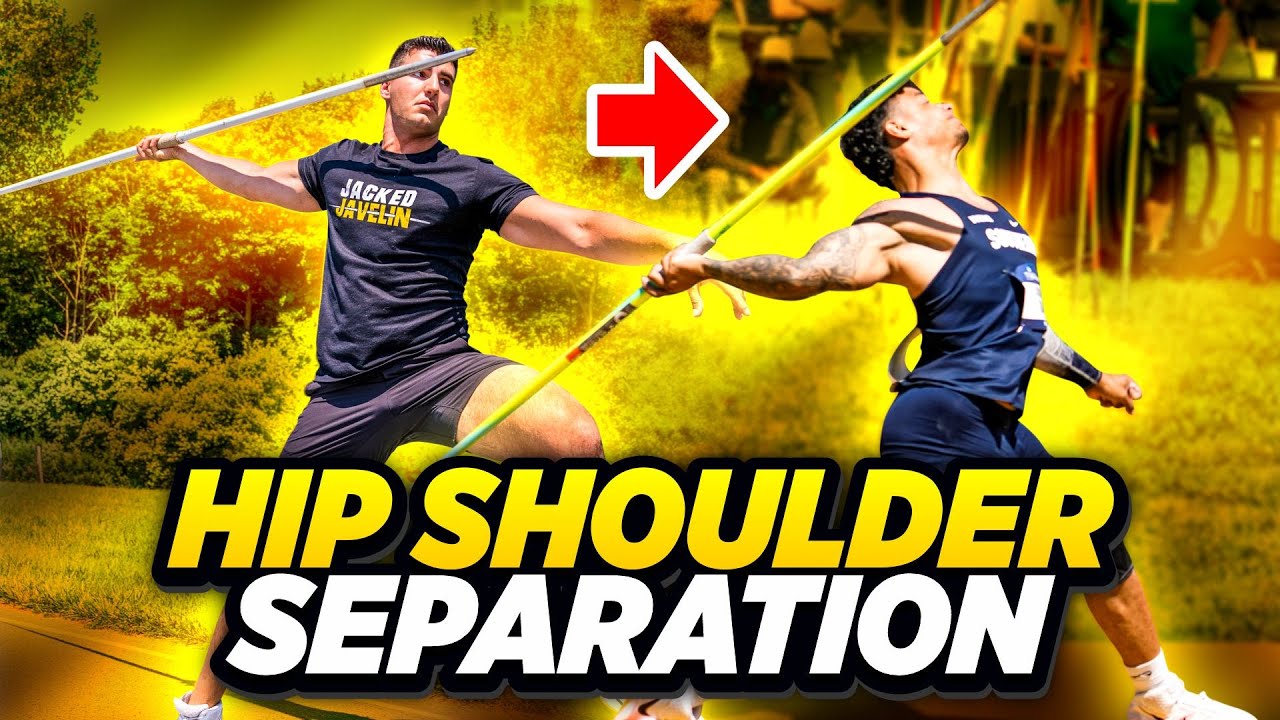
One of the most powerful concepts in the javelin throw is hip–shoulder separation. If you want to throw farther, protect your arm, and maximize the whip effect of your kinetic chain, you need to learn how to separate the rotation of your hips from the rotation of your shoulders. In this video, we break down why hip–shoulder separation is essential for javelin throwing, how to train it, and the exact drills you can use to improve your mechanics today.
When you sprint down the runway, momentum builds through your lower half. The block leg stops that horizontal speed and redirects it into vertical and rotational force. But the real key to transferring that energy is keeping the hips open while the shoulders stay closed. This creates a coil in the torso, storing elastic energy that can then be unleashed through the chest, arm, and ultimately into the javelin. Without hip–shoulder separation, you lose that stored energy and rely only on brute arm strength—which limits your distance and increases injury risk.
Hip–shoulder separation allows you to:
• Create maximum torque through the torso
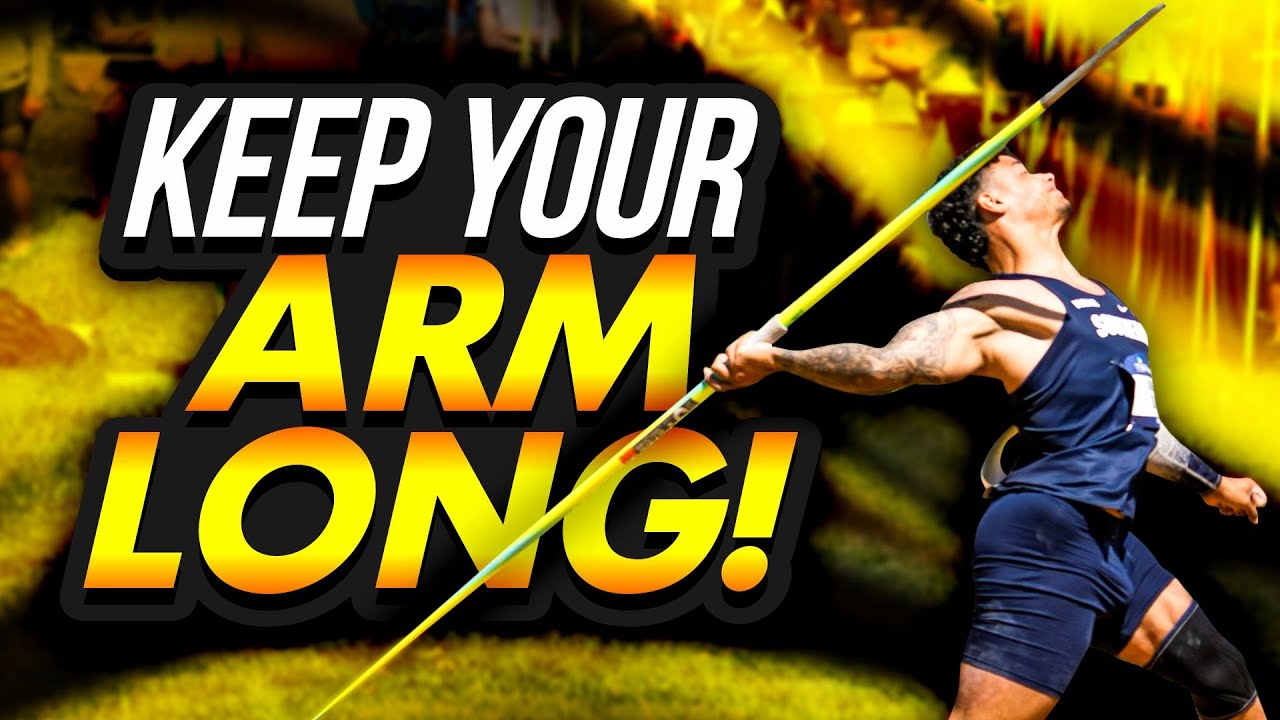
• Lengthen the path of acceleration for more whip speed
• Build elastic energy in the core instead of forcing the arm to do all the work
• Maintain posture and balance through the throw
• Reduce stress on the elbow and shoulder by spreading the load across the whole body
In this video, we’ll cover the biomechanics behind hip–shoulder separation, why the best throwers in the world—like Jan Železný and Johannes Vetter—master this concept, and how you can apply it to your own training. You’ll learn drills to reinforce separation in your approach, penultimate step, and delivery phase, as well as strength exercises in the gym that carry over directly to your throw.
Drills we’ll highlight include:
• Standing separation holds to feel hip rotation independent of shoulder rotation
• Med ball rotational throws that mimic the penultimate and block connection
• Step-in throws that reinforce rhythm, posture, and timing
• Football throws to groove hip–shoulder separation in a sport-specific, dynamic way
Training the hip–shoulder connection isn’t just about mobility—it’s about timing, rhythm, and control. Too much early rotation leaks energy. Too little separation leaves you stiff and slow. The key is finding that balance where the hips drive forward, the chest stays back, and the whip effect accelerates the javelin with maximum speed.
By the end of this video, you’ll understand why hip–shoulder separation is often called the “secret weapon” of javelin throw mechanics. More separation equals more elastic energy. More elastic energy equals more whip speed. And more whip speed equals more meters on your throws.
If you’re serious about becoming a better javelin thrower, mastering hip–shoulder separation is non-negotiable. Apply these principles in your runway approach, your block, and your delivery, and you’ll start to see immediate improvements in both velocity and distance.
Повторяем попытку...
Доступные форматы для скачивания:
Скачать видео
-
Информация по загрузке: