Army Drones Explained: From Quadcopters to Gray Eagles
Автор: Warfighter University
Загружено: 2025-10-05
Просмотров: 185
Описание:
Welcome back to Warfighter University – I’m Eric Curry, and in this video, we’re breaking down one of the most revolutionary tools shaping the modern battlefield: Unmanned Aerial Surveillance Systems, or UAS.
The Army’s use of drones has transformed how we fight, train, and prepare for large-scale combat operations. These systems extend the eyes of commanders, reduce risk to soldiers, and give units at every echelon the ability to “see first, understand faster, and act decisively.” Today, I’ll walk you through the UAS platforms the Army employs, from the small quadcopters you see at the squad level all the way up to the MQ-1C Gray Eagle, the Army’s long-endurance powerhouse.
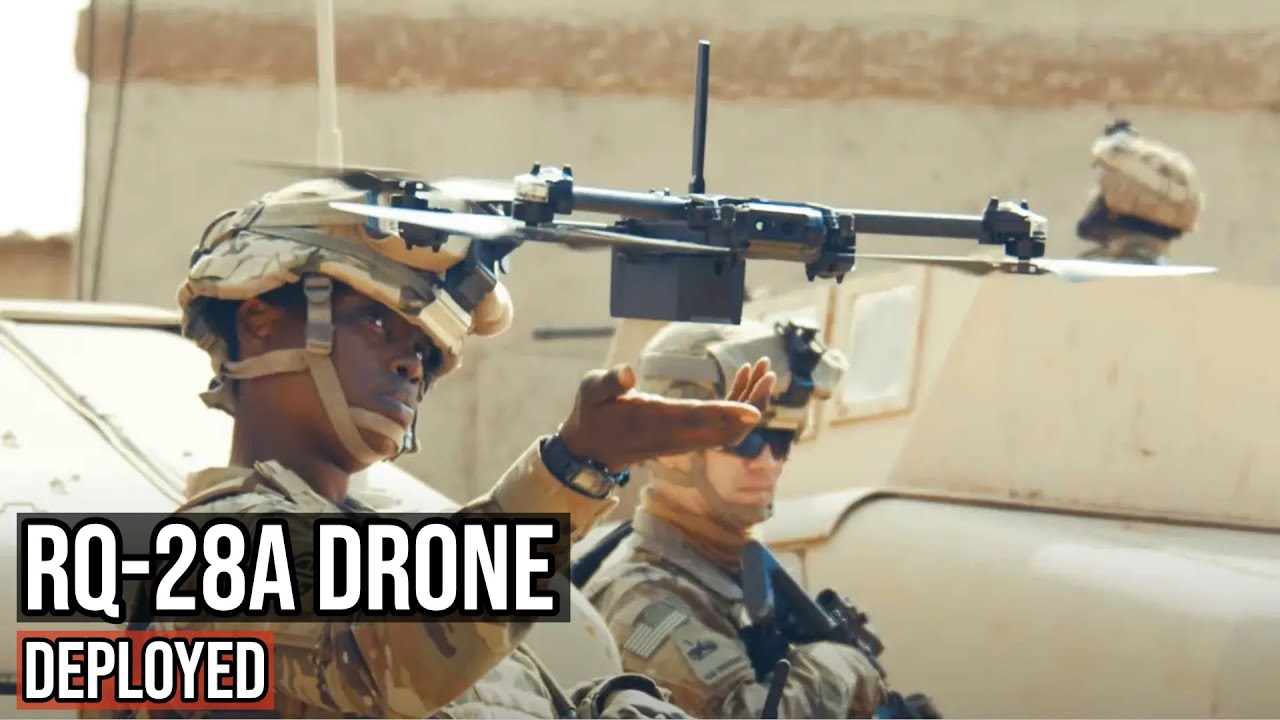
🔹 Small Quadcopters – Portable, lightweight, and easy to train on. These drones can be carried by a single soldier and deployed in minutes. Perfect for short-range reconnaissance—checking ridgelines, scanning compounds, or spotting potential ambushes. They bring instant situational awareness to squads and platoons.
🔹 RQ-11 Raven – A hand-launched, fixed-wing UAS used at the company and battalion level. With up to 90 minutes of flight time and a range of around 10 kilometers, the Raven provides a reliable video feed for route reconnaissance, target acquisition, and overwatch. It’s one of the most widely used Army drones.
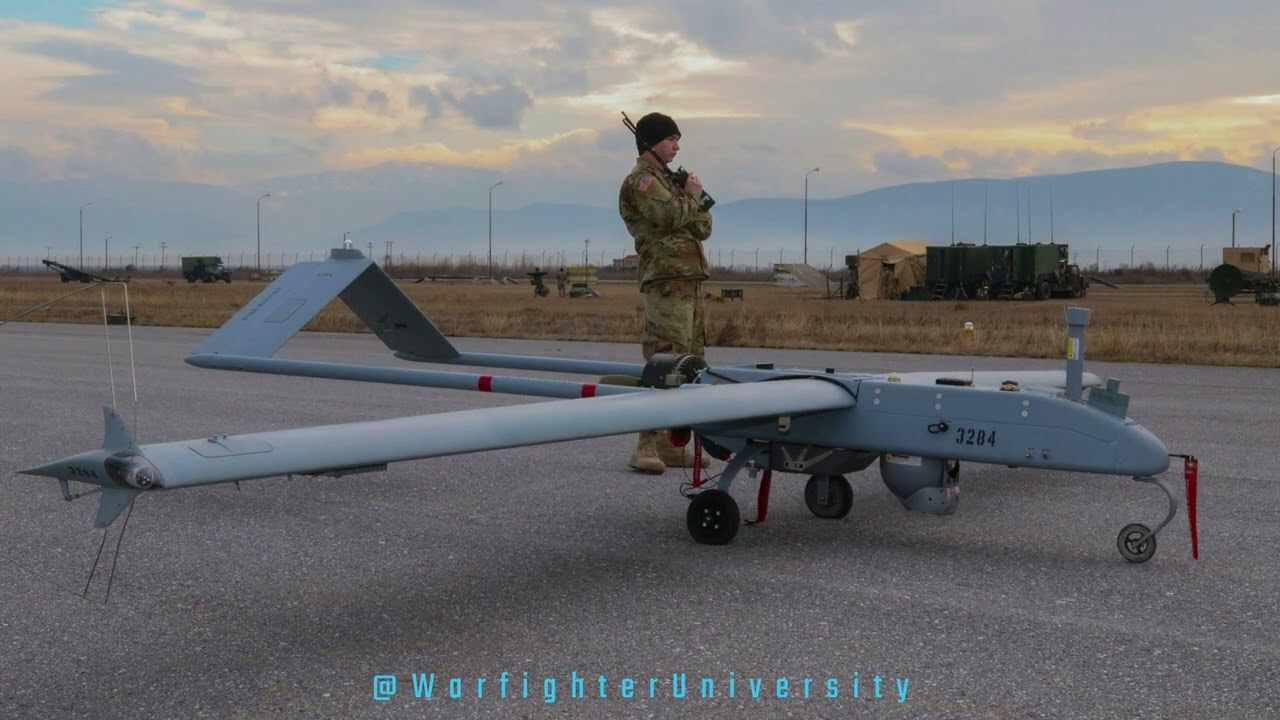
🔹 RQ-7 Shadow – A brigade-level system offering extended range and endurance. Capable of six to nine hours of flight and up to 125 kilometers of coverage, the Shadow requires a launch and recovery site and a full platoon of operators. Its persistence makes it perfect for monitoring areas of interest and supporting precision targeting.
🔹 MQ-1C Gray Eagle – The Army’s premier long-endurance UAS. With a flight ceiling of 25,000 feet and more than 25 hours of endurance, the Gray Eagle is a game-changer. It can carry advanced sensors and even munitions, providing wide-area surveillance, signals intelligence, and strike capability at the division and corps level.
Across all these platforms, the Army integrates UAS into its intelligence, surveillance, and reconnaissance (ISR) architecture. The result? Better situational awareness, faster decision-making, and safer operations for soldiers on the ground.
This video will give you a clear, practical understanding of how the Army employs drones in real-world missions and how they fit into the larger fight. Whether you’re a junior leader, a logistics planner, or simply interested in military technology, this is a must-watch.
💬 Engage with the community
If you found this breakdown helpful, let me know in the comments what UAS platform you’ve worked with—or which system you’d like me to cover in greater detail. Your input helps shape future content and ensures Warfighter University stays focused on what matters to you.
👍 Support the channel
Like the video to help spread it to more leaders and warfighters.
Subscribe so you never miss future lessons on Army systems, readiness, and leadership.
Share with teammates, peers, and anyone in your network who’s serious about professional development.
📲 Stay connected
Follow me on Instagram @warfighteruniv for daily insights, behind-the-scenes looks, and additional content to complement what you see here on YouTube.
This isn’t just about technology—it’s about readiness, leadership, and staying lethal.
I’m Eric Curry, and this is Warfighter University. Thanks for watching, and remember: stay focused, stay disciplined, and stay lethal.
Повторяем попытку...

Доступные форматы для скачивания:
Скачать видео
-
Информация по загрузке: