Eyes of the Battlefield: How the U.S. Army Dominates with Drones
Автор: Warfighter University
Загружено: 2025-10-12
Просмотров: 454
Описание:
Welcome back to Warfighter University — I’m Eric Curry, and today we’re diving into one of the most game-changing innovations reshaping the modern battlefield: Unmanned Aerial Surveillance Systems (UAS).
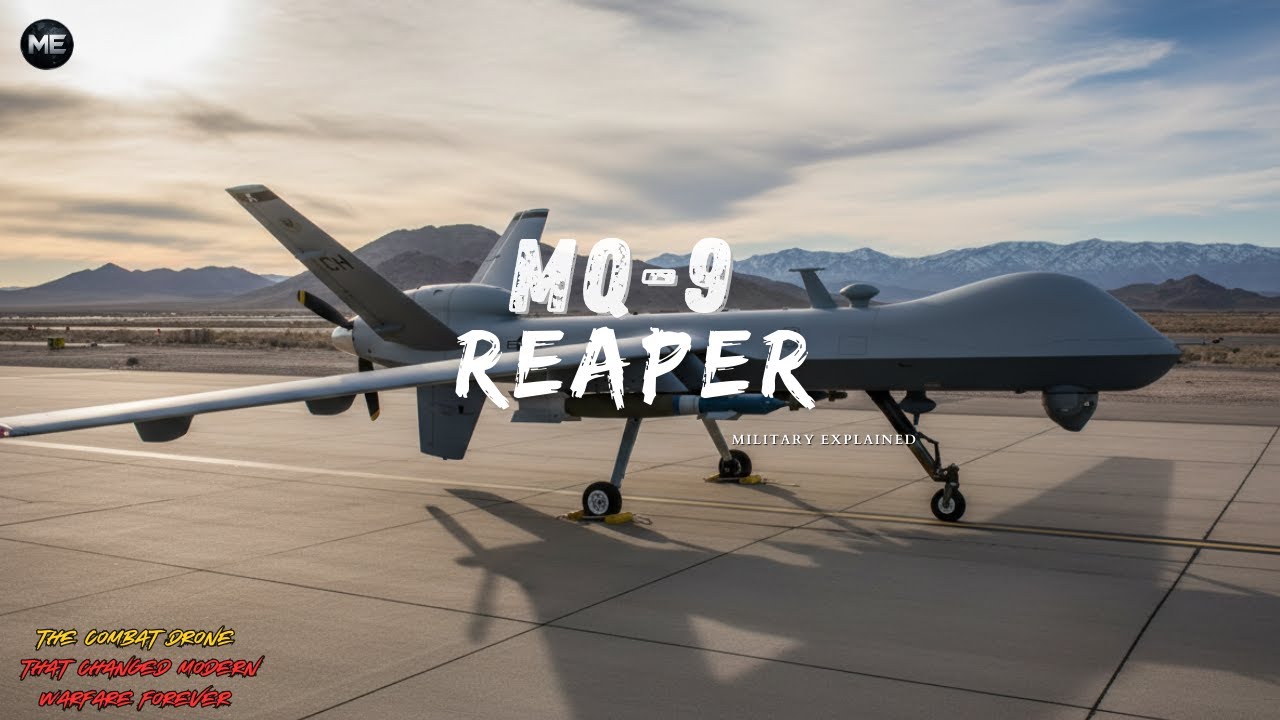
From the smallest quadcopters in the hands of infantry squads to the high-altitude MQ-1C Gray Eagle soaring miles above the fight, the Army’s drone fleet has transformed how we see, decide, and dominate. These platforms aren’t science fiction — they’re the eyes of the force, giving commanders the power to see first, understand faster, and act decisively.
In this breakdown, I’m unpacking how UAS capabilities have evolved into one of the most powerful force multipliers in the Army’s arsenal. You’ll see how drones are integrated into operations, how they shape intelligence collection, and why they’re central to large-scale combat readiness.
🔹 Squad-Level Quadcopters – Small, agile, and soldier-portable. These drones provide rapid situational awareness at the lowest tactical levels, helping squads scan ridgelines, clear compounds, and identify potential threats in seconds. They give leaders confidence in every move they make.
🔹 RQ-11 Raven – The company and battalion workhorse. Hand-launched and capable of flying nearly 10 kilometers, the Raven delivers live video feeds that support reconnaissance, overwatch, and target acquisition. Simple, rugged, and reliable — it’s a staple in any unit’s toolkit.
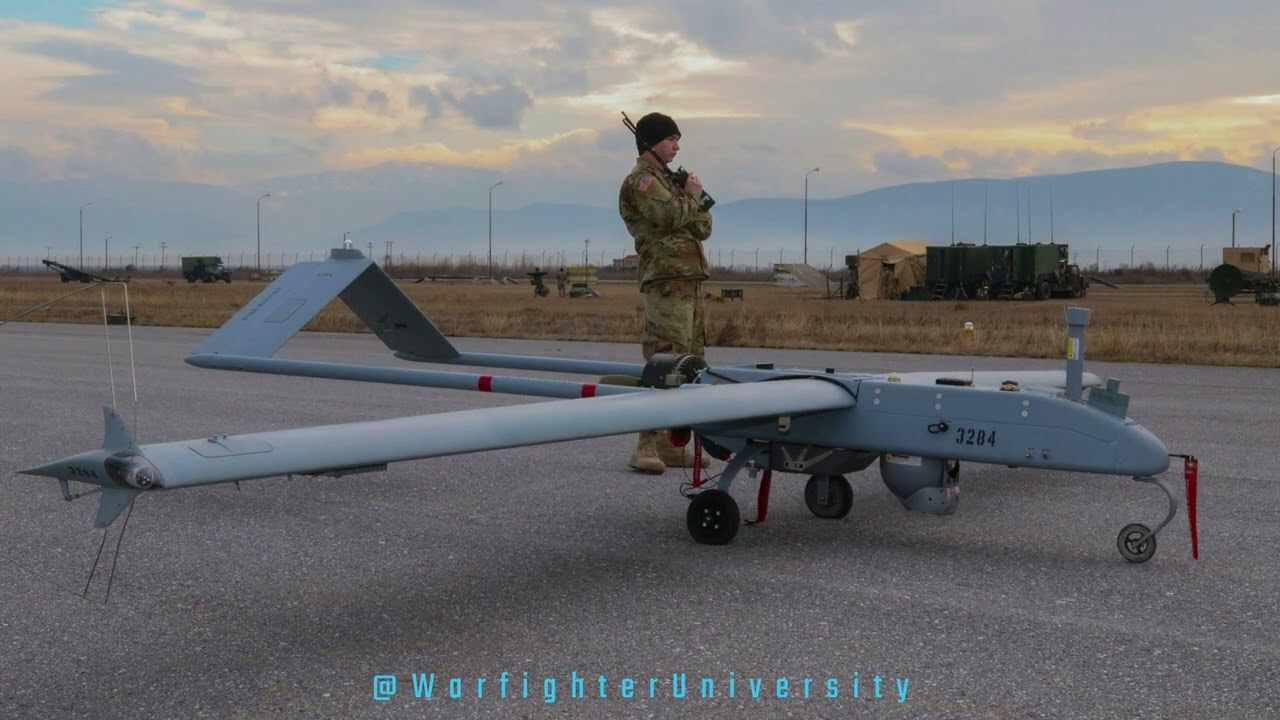
🔹 RQ-7 Shadow – The backbone of brigade-level operations. With 6–9 hours of endurance and over 100 kilometers of range, the Shadow allows persistent observation and precision targeting. Its modular payloads make it ideal for supporting complex, extended missions.
🔹 MQ-1C Gray Eagle – The Army’s long-endurance powerhouse. With a 25,000-foot ceiling and 25+ hours of flight time, the Gray Eagle delivers unmatched ISR coverage and can even be armed for precision strikes. It operates at the division and corps levels, integrating directly into joint fires and intelligence networks.
Every platform plays a role in a unified system of Intelligence, Surveillance, and Reconnaissance (ISR). Together, they give ground forces a decisive edge — minimizing risk, maximizing visibility, and synchronizing the fight across domains.
This isn’t just about drones — it’s about decision dominance. In this episode, you’ll gain insight into how the Army leverages technology to empower leaders, protect soldiers, and maintain constant readiness. Whether you’re a platoon leader, staff officer, or a military enthusiast, this is your deep-dive into the future of warfare.
💬 Join the Conversation
Have you worked with any of these systems? Drop a comment below and share your experience — or tell me which platform you’d like to see covered next. Your feedback drives what we explore here at Warfighter University.
👍 Support the Mission
If this breakdown brought you value, show your support:
✅ Like the video — it helps push this content to more leaders and professionals.
✅ Subscribe — stay updated as we continue to break down Army systems, tactics, and leadership lessons.
✅ Share — send it to a teammate, peer, or junior leader who’s ready to level up.
📲 Stay Connected Beyond YouTube
Follow me on Instagram @warfighteruniv
for daily leadership insights, professional development tips, and behind-the-scenes looks at upcoming content.
At Warfighter University, it’s not just about technology — it’s about readiness, adaptability, and the relentless pursuit of mastery.
I’m Eric Curry, and this is Warfighter University.
Until next time — stay focused, stay disciplined, and stay lethal. ⚔️
Повторяем попытку...
Доступные форматы для скачивания:
Скачать видео
-
Информация по загрузке: