AI, mentorship & real challenges: reimagining arts management education
Автор: modernism ro
Загружено: 2025-10-03
Просмотров: 149942
Описание:
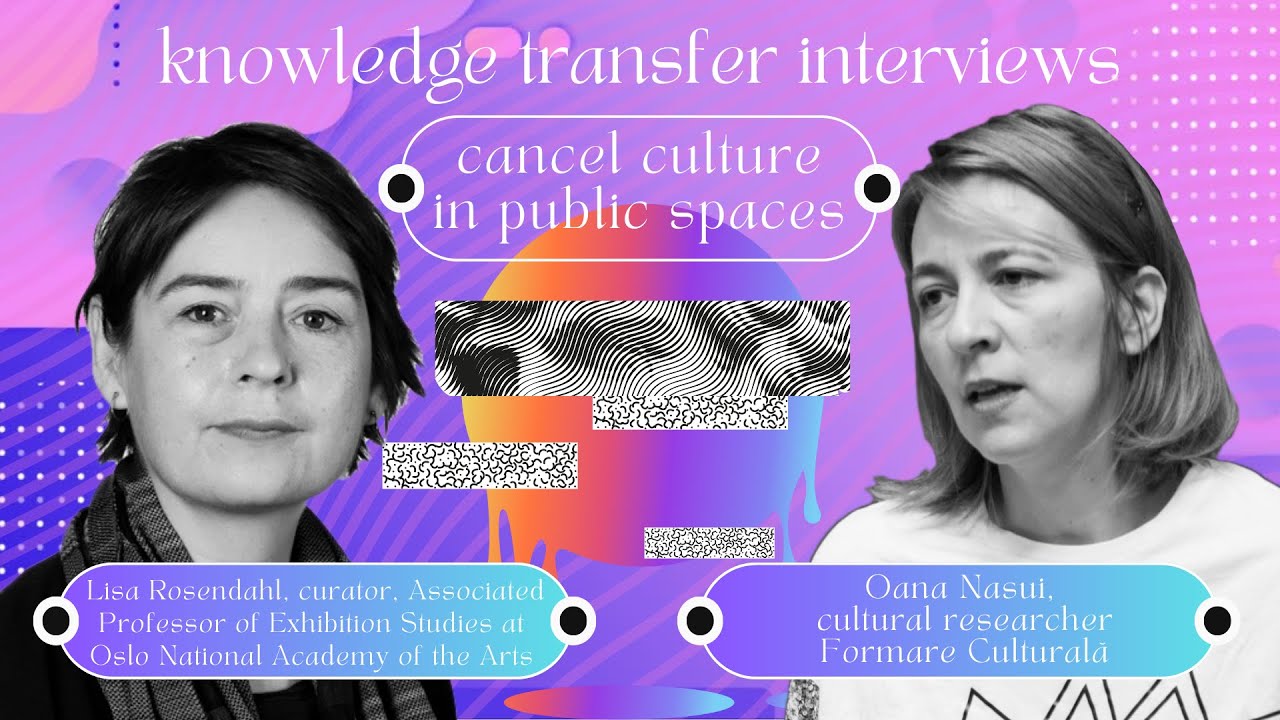
This professional dialogue, part of the "Beyond Creation" project produced by Formare Culturala platform, explores innovative approaches to cultural management education and practice. The conversation brought together Dr. Kaari Kiitsak-Prikk (Senior Lecturer and Head of Department of Musicology, Music Pedagogy and Cultural Management at the Estonian Academy of Music and Theatre), Annukka Jyrämä (researcher specializing in arts management, cultural entrepreneurship, and marketing at Aalto University School of Business), and Oana Nasui (cultural researcher and project coordinator).
Chapters
01:31 Teaching Sustainability in Cultural Management
04:08 Bridging the Gap Between Theory and Practice
08:11 Challenge-Based Learning Approach
10:15 Mentorship Programs and Practitioner Engagement
13:11 Co-creation Methods in Education
15:06 AI Tools in Academic Research and Teaching
21:21 Critical Thinking and Research Integrity with AI
22:06 International Collaboration and Cultural Differences
26:23 Managing Cross-Cultural Projects
30:00 Estonian Cultural Organizations Reform
32:06 State-Established Foundations Model
36:08 Autonomy vs Public Accountability
38:28 Emerging Projects: Culture Meets Healthcare
40:04 Co-creation in Rural and Urban Contexts
Challenge-Based Education Model
Annukka Jyrämä explains how the Estonian Academy reformed its curriculum in 2021, requiring students to enter with specific professional challenges they work on throughout their studies. Kaari Kiitsak-Prikk adds that students analyze these challenges using theoretical frameworks like ecosystem thinking and value chains in year one, then develop prototypes in the second semester. Annukka emphasizes they encourage co-creation not just with teachers but among fellow students, using the double diamond design model to work toward solutions.
Bridging Academia and Practice
Oana Nasui probes the gap between "pure research" and fieldwork, questioning whether students only work in libraries without practical engagement. Kaari responds that cultural management is inherently practical and she details their mentorship program pairing students with practitioners, while Annukka notes most students already have work experience and seek to connect theory to their daily professional lives.
Artificial Intelligence Integration
Oana raises the question of AI tools in academic work. Kaari explains they don't have dedicated AI classes but integrate it into assignments, encouraging students to remain critical and make ethical decisions about its use. Annukka elaborates that they treat AI as a "reflection partner" for dialogue, warning that "if we start using only tools and not our own brains and not having a critical mind, there's no point of us existing anymore."
International Collaboration Complexities
Oana challenges the educators about projects that succeed locally but fail in different cultural contexts. Kaari responds that international collaborations "start on a personal level" through individual connections. Annukka adds insight that "differences in mindset between people from very different fields" can exceed national differences, advocating for not fearing conflicts.
Estonian Institutional Innovation
Oana inquires about Estonian cultural organizations' status changes. Kaari provides extensive context on the transformation since 2002 from direct ministry control to state-established foundations. She explains the paradox: organizations gained autonomy to retain earned income and plan multi-year budgets, yet "the hoped autonomy is not really...manifested differently" since they still operate through state treasury. Kaari's PhD research revealed that boards meant to facilitate stakeholder dialogue haven't fully developed this function.
Emerging Focus Areas
Kaari describes their project bridging culture with healthcare—"not art therapy...but regular art into hospitals and care houses." She identifies a critical gap: "we lack specialists who would be able to speak the languages of healthcare and arts both." Annukka discusses her research on co-creation models, from prison art to suburban initiatives, highlighting Finland's Helsinki model that gives artists "free hands" in underserved areas while providing community connections.
The knowledge transfer discussion revealed how these educators balance theoretical rigor with practical application, preparing students for a rapidly evolving cultural sector where traditional boundaries between fields increasingly blur.
///
The project "Beyond creation" is co-financed by the Administration of the National Cultural Fund
More, here https://formareculturala.ro/dincolo-d...
Special thanks to the Universitat Internacional de Catalunya, Faculty of Humanities, for hosting the discussion. Gratitude is extended to Claudia Balboa Salas, Coordinator of Postgraduate Studies in Cultural Management and Professional Practices, and Paloma Carballal Recoder for their support in facilitating this exchange.
Повторяем попытку...

Доступные форматы для скачивания:
Скачать видео
-
Информация по загрузке: