Art in flux: Aparajita Dutta, Paolo Montemurro, Olu Alake, Oana Nasui on cultural power & mobility
Автор: modernism ro
Загружено: 2025-05-10
Просмотров: 5476
Описание:
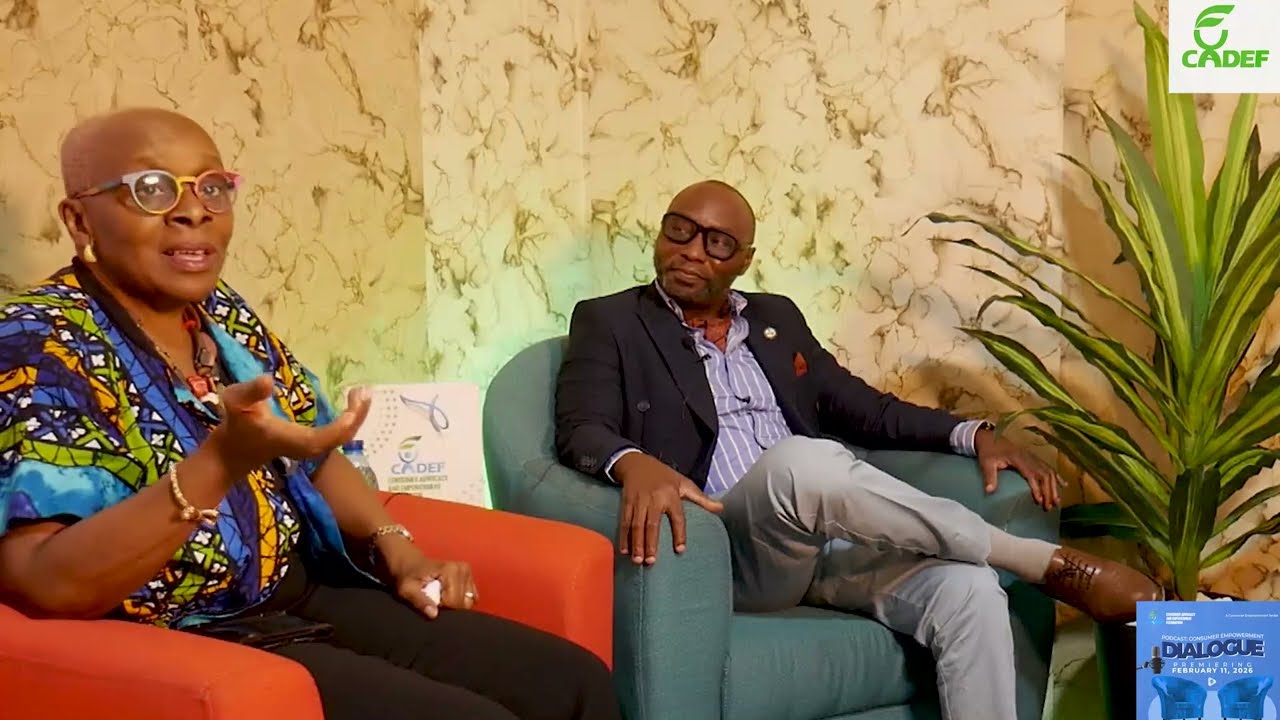
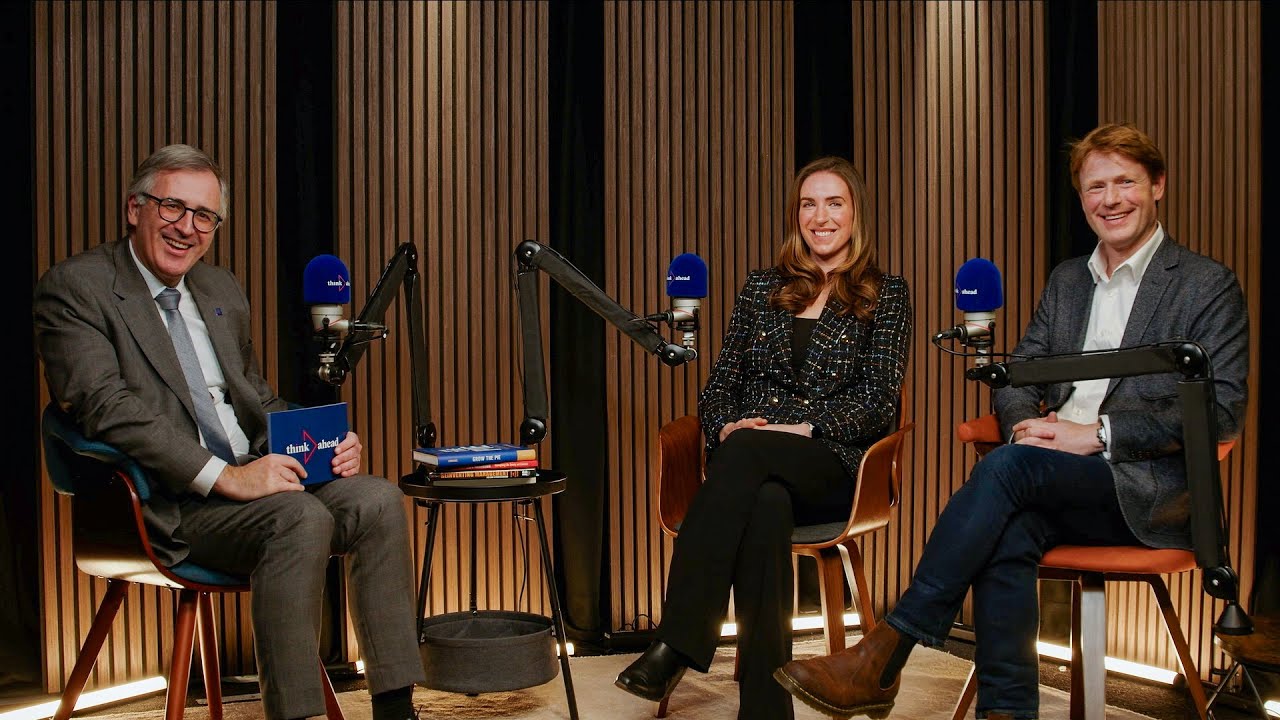
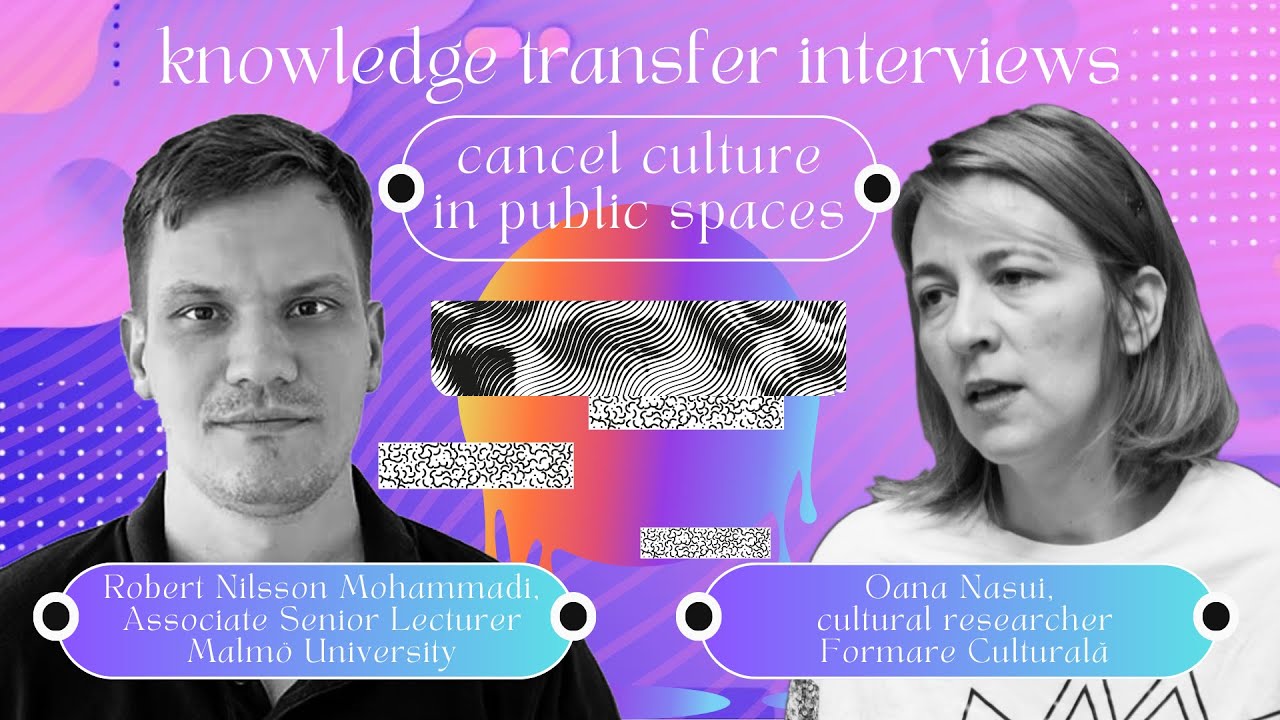
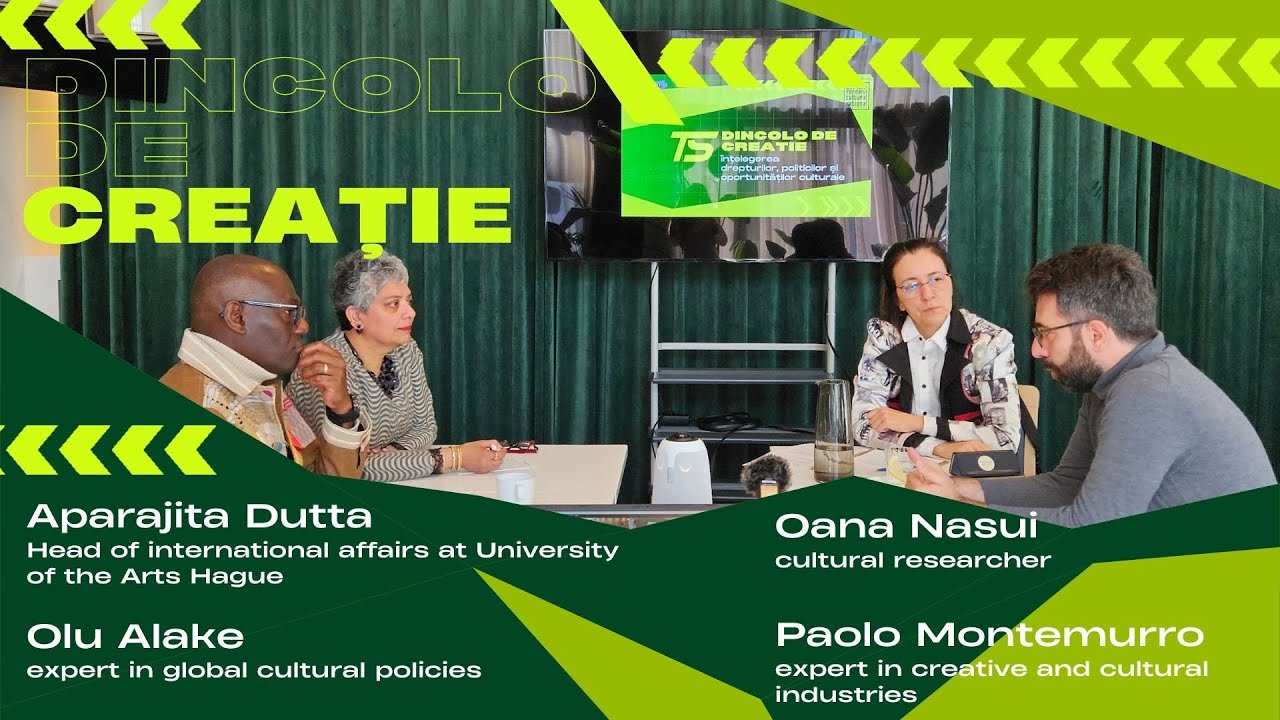
Join host Oana Nasui in this enlightening panel discussion with international experts Paolo Montemurro (Materahub founder), Aparajita Dutta (Head of International Affairs at University of the Arts The Hague), and Olu Alake (CEO of The Africa Centre).
This professional knowledge transfer cultural debate, part of the ”Beyond creation” project, produced by Formare Culturala platform, explores how cultural professionals can navigate copyright, intellectual property, and open innovation in today’s digital landscape.
The experts share valuable insights on developing professional competencies, raising awareness about best practices, and addressing the impact and potential of artificial intelligence in the cultural and creative sector. This discussion examines the opportunities and ethical challenges presented by emerging technologies while promoting critical thinking, and adaptation to the digital environment.
Aparajita Dutta explained that internationalization goes beyond mobility or institutional cooperation, encompassing curriculum, research, and education. It involves including intercultural dimensions and international perspectives in education. At her institution, 68% of students are international, bringing diverse backgrounds and interpretations to their artistic practice.
Paolo Montemurro discussed integrating entrepreneurial skills into artistic curricula through creative hubs where students, academic staff, and creative professionals collaborate on joint projects. He emphasized that artists naturally possess entrepreneurial competencies even if they don’t identify with business terminology, as they deal with uncertainty, find resources, and activate communities.
Olu Alake addressed power dynamics in international contexts, highlighting how artists from the Global South lose status when moving to the North, often having to adapt their creations to Western institutional expectations. He stressed the importance of challenging these power dynamics and allowing artists to retain their cultural power while sharing their work globally.
The conversation explored how Brexit and other geopolitical changes affect artists’ mobility, emphasizing the need for new approaches and skills. Experts noted that the responsibility for adaptation now falls more on individuals and institutions than on governments and multilateral organizations.
Regarding digital platforms and social media, the group reflected on how these tools can flatten cultural experiences while also providing opportunities for connection. They discussed the challenges of algorithmic bias, content control, and the exploitation of creators’ work.
The experts explored art’s role in social change, including its potential to inspire innovation in other sectors, particularly in environmental sustainability and wellbeing. They noted the growing trend of socially engaged arts that involve communities in co-creation processes rather than treating them as passive audiences.
On the topic of AI in the cultural sector, the discussion highlighted both challenges (copyright issues, algorithmic bias) and opportunities. Montemurro mentioned that many artists want AI to handle administrative tasks so they can focus on creative work. Alake emphasized viewing AI as part of a broader digital ecosystem and focusing on opportunities while addressing challenges.
The conversation concluded with reflections on how decolonization should be integrated into internationalization processes and the importance of understanding cultural differences in a global context. Dutta emphasized the need to consider the diverse backgrounds of students when discussing concepts like decolonization, while Alake stressed that cultural practitioners need to understand these perspectives even if they aren’t part of their direct experience.
///
Aparajita Dutta, Head of International Affairs at the University of the Arts The Hague, has been working in the field of internationalisation since 1999, consistently explored how the quality of education and internationalisation are intertwined.
Paolo Montemurro is the founder of Materahub, an organisation working to support the cultural and creative sector in Italy. He has been the project manager of numerous pilot EU-funded initiatives, focusing on capacity building, policy development, and ecosystem creation for the sector.
Olu Alake is the CEO of The Africa Centre, a 60-year-old London-based cultural institution. He has developed, critiqued, and implemented cultural policy with a focus on artistic mobility, global cultural markets, diversity, social inclusion, and cultural rights.
Oana Nasui is cultural manager and cultural researcher. She works as a developer of cultural and creative projects and programs, cultural evaluator and consultant in cultural planning – programs, strategies, policies.
///
The project is co-financed by the Administration of the National Cultural Fund
Details https://formareculturala.ro/dincolo-d...
Повторяем попытку...
Доступные форматы для скачивания:
Скачать видео
-
Информация по загрузке: