How to Build a Grant Proposal With AI
Автор: AI Labs: Research Methodology
Загружено: 2025-12-23
Просмотров: 19
Описание:
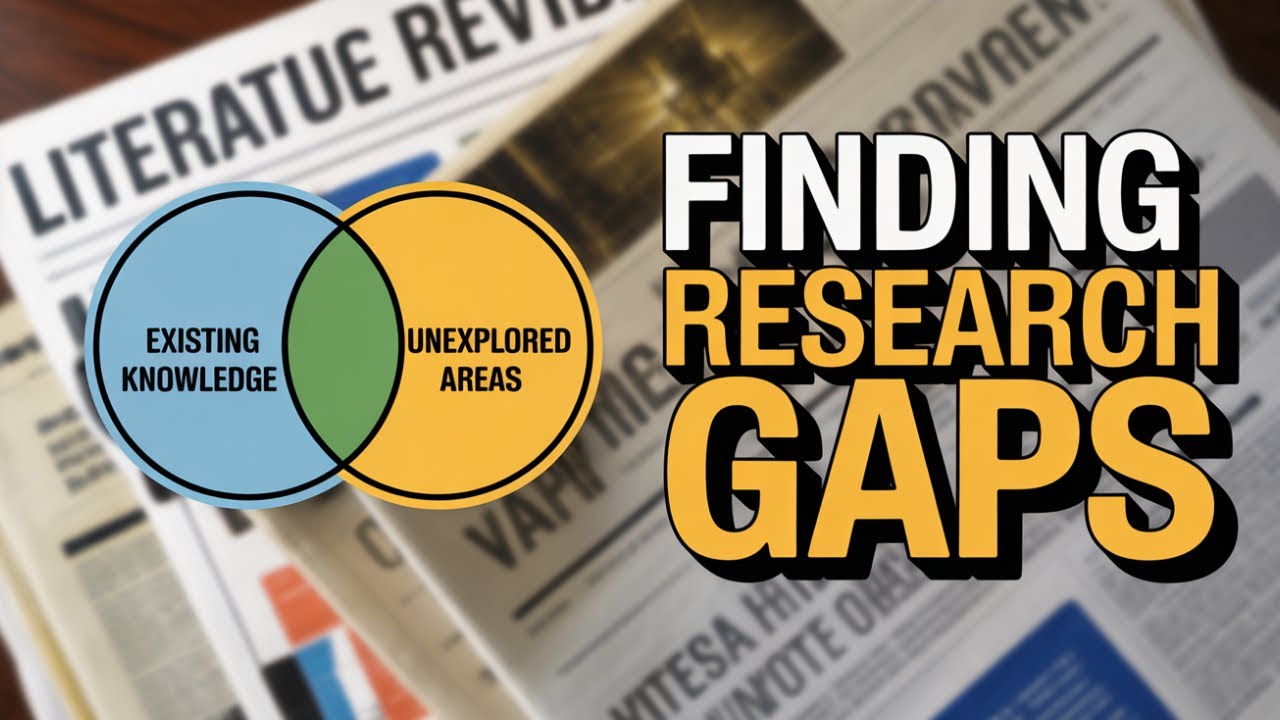
This lecture shows how to use AI tools to accelerate grant proposal development—from literature mapping and research-gap discovery to aims design, budget justification, timeline planning, and compliance auditing. It also explains the key integrity and policy constraints (originality, confidentiality, citation verification) that funders now explicitly emphasize. This lecture explains how AI can turn grant writing from a slow, manual process into a structured workflow that improves both speed and quality. The core context is that funding is brutally competitive, with many schemes sitting below a 20 percent success rate, so small advantages compound. The lecture frames AI as a research assistant that can scan vast literature, map the landscape, and help you move from “interesting idea” to a defensible proposal narrative with clear gaps, clear aims, and clear reviewer-facing logic. You will see how the workflow spans the entire proposal lifecycle. AI supports literature review and gap detection, checks whether a hypothesis is genuinely novel and realistically feasible, and helps design a robust methodology by stress-testing timelines, dependencies, resources, and failure modes. It also strengthens the persuasive layer: intellectual merit, broader impact, clarity of writing, alignment with reviewer criteria, and strategic positioning versus the competitive field. Finally, it covers operational pieces that often sink proposals at the last minute — budget justification, collaborator discovery, risk mitigation, data management planning, and pre-submission quality assurance — while emphasizing that responsible use means humans remain accountable for claims, ethics, and scientific judgment.
What you will learn:
Why grant success depends on both scientific strength and reviewer-facing structure
How AI accelerates literature review, landscape mapping, and gap discovery
How to use AI to refine a hypothesis by testing novelty and feasibility against prior work
How AI can help design multi-aim methodology with realistic sequencing and dependencies
How to identify pitfalls early and propose credible alternatives and contingency plans
How to articulate intellectual merit and broader impacts in ways reviewers recognize quickly
How AI improves clarity and persuasiveness without changing the underlying science
How to position your proposal in the innovation-versus-feasibility space
How AI can help with budget allocation and strong, defensible justifications
How to run alignment checks against review criteria and required elements
How to use AI to identify collaborators with complementary expertise and track records
How to build credible timelines with critical-path logic and resource constraints
How to generate risk registers and evidence-based mitigation strategies
How to produce data management plans that meet modern compliance expectations
How to run final quality assurance: consistency, formatting, citations, and compliance
Ethical best practices: AI as augmentation, with full human accountability
Timestamps:
00:00 — Why grant funding is so competitive and why process matters
00:50 — AI for literature review: mapping the field and finding gaps
02:03 — Hypothesis refinement: checking feasibility and novelty at scale
03:21 — Methodology design: multi-aim planning and pitfalls analysis
04:40 — Broader impact and intellectual merit: linking to real priorities
06:10 — Writing optimization: clarity, flow, readability, persuasion
07:39 — Competitive positioning and predicting proposal strength
09:09 — Budget optimization and justification support
10:32 — Alignment analysis: verifying coverage of review criteria
11:54 — Collaborator discovery using publications and funding records
13:19 — Timeline planning with dependencies and critical-path thinking
14:45 — Risk detection and mitigation planning
16:12 — Data management plans and compliance checks
17:31 — Pre-submission QA: formatting, consistency, citations, accuracy
19:07 — Time savings and quality uplift from AI-enhanced workflows
20:10 — Ethics and responsible use: accountability stays with researchers
21:25 — Where this is going: real-time collaboration and predictive tools
22:41 — Implementation strategy: start small, then expand systematically
#GrantWriting #ResearchProposal #AIforScience #AcademicWriting
Повторяем попытку...

Доступные форматы для скачивания:
Скачать видео
-
Информация по загрузке: