Primary Care – Adult Abuse / Intimate Partner Abuse: By Jan Coles M.D.
Автор: Medskl.com
Загружено: 2017-02-17
Просмотров: 1789
Описание:
medskl.com is a global, free open access medical education (FOAMEd) project covering the fundamentals of clinical medicine with animations, lectures and concise summaries. medskl.com is working with over 170 award-winning medical school professors to provide content in 200+ clinical presentations for use in the classroom and for physician CME.
Primary Care – Adult Abuse / Intimate Partner Abuse
Whiteboard Animation Transcript
with Jan Coles, MD, MBBS, MMed, PhD
https://medskl.com/Module/Index/adult...
Intimate partner violence is a common experience with 1 in 3 women worldwide experiencing violence from their partner across their lifetime.
Preventing Family violence is everyone’s business.
Intimate partner violence is one form of family violence, it can be physical, sexual, psychological, emotional, economic, isolation or neglect. All doctors should be prepared to ask their patients about their history of violence.
To do this you need to:
1. Know how to respond and be knowledgeable of referral pathways;
2. Be trained to ask and communicate safely and effectively;
3. Demonstrate the right attitudes to support the patient’s disclosure;
4. Be aware of your legal requirements to report.
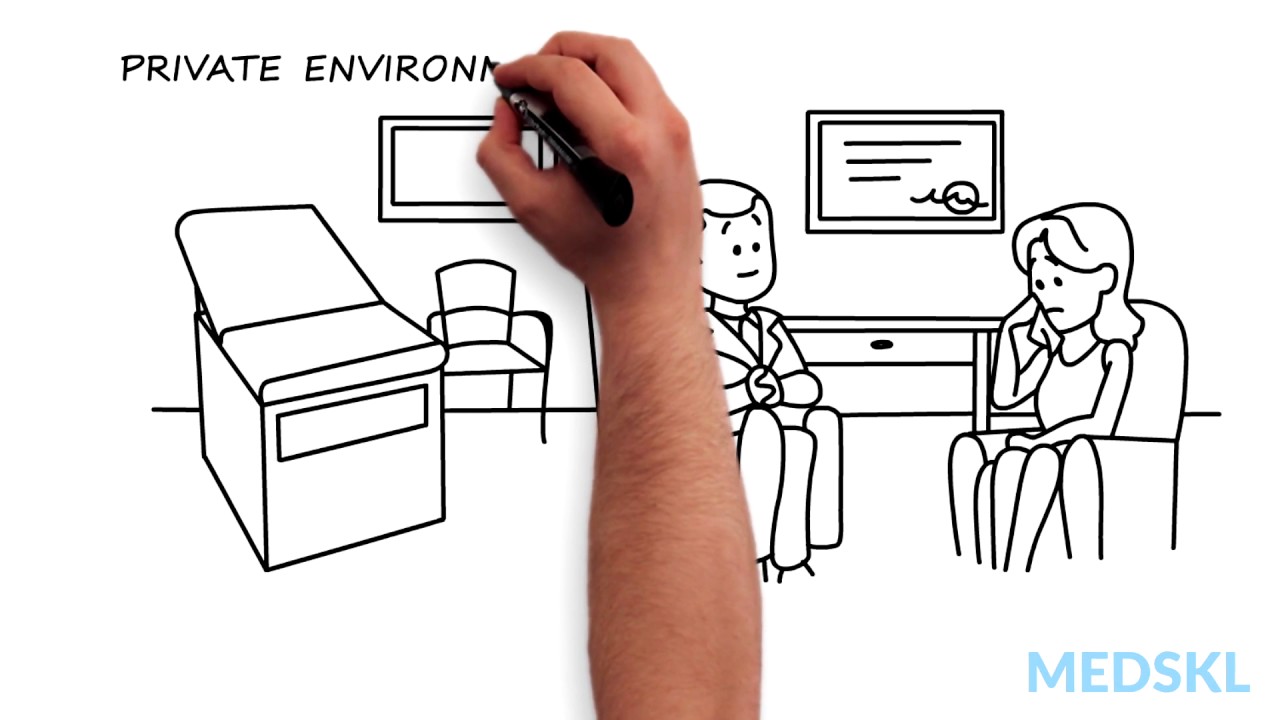
The environment in which you ask the patient must be private and confidentiality ensured within the local legal reporting requirements.
Remember that physical and mental health problems are more common presentations to doctors rather than overt signs of trauma.
When to think of partner violence:
Chronic pain syndromes
Sexual difficulties
Depression and anxiety
Multiple visits with unexplained symptoms, including with their children
“Heart sink” patients
If you think partner violence is occurring you should ask about it, patients say that “doctors would ask if it was important to health.”
Once a disclosure of violence has been made doctors should be supportive and validating, after all “everyone deserves to be safe at home.”
Assess the safety of the patient and any children. It is likely that, if there are children, they are witnessing the violence and child abuse has associations with partner violence.
Make a safety plan with the patient experiencing violence and refer to the appropriate services.
Consider the legal reporting requirements and make a report if you are required to do so.
Повторяем попытку...
Доступные форматы для скачивания:
Скачать видео
-
Информация по загрузке: