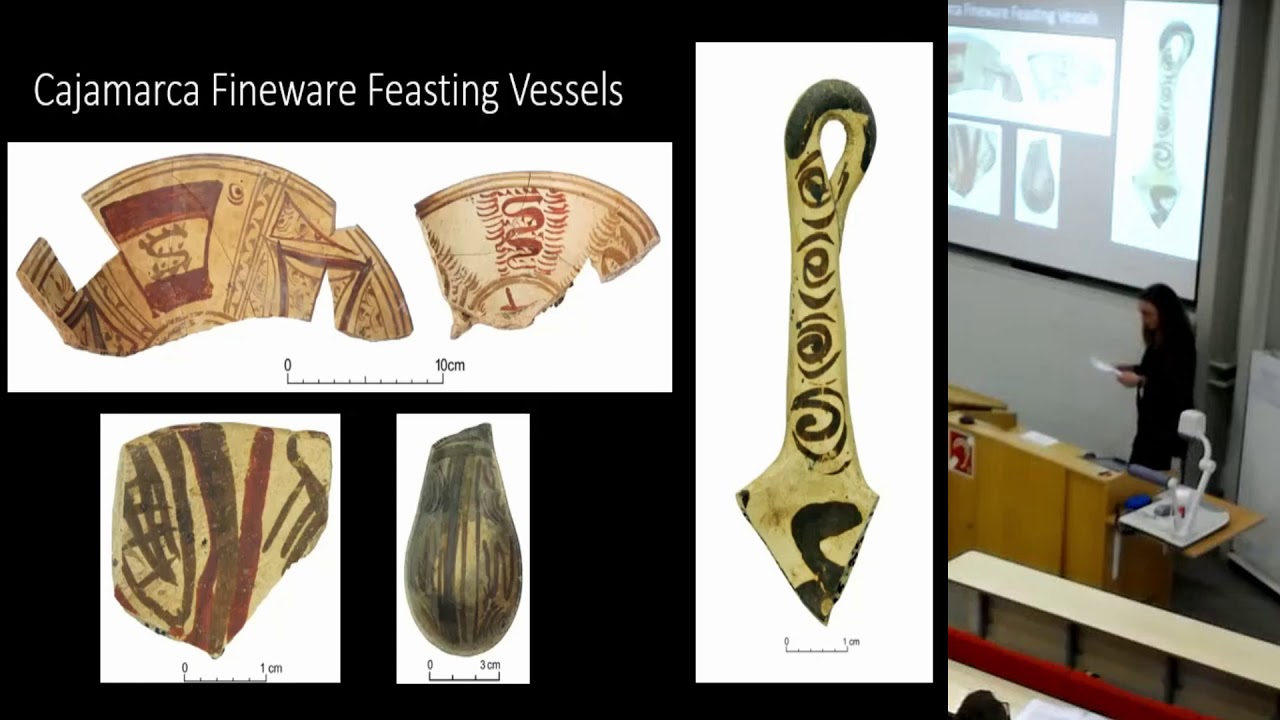
Assessing the Role of Camelid Lifecycles in the Formation of Moche Political Institutions
Автор: TALE: The Archaeology Lecture E-library
Загружено: 2019-03-05
Просмотров: 151
Описание:
Full title: Assessing the Role of Camelid Lifecycles in the Formation of Moche Political and Religious Institutions: A critical application of posthumanist theory
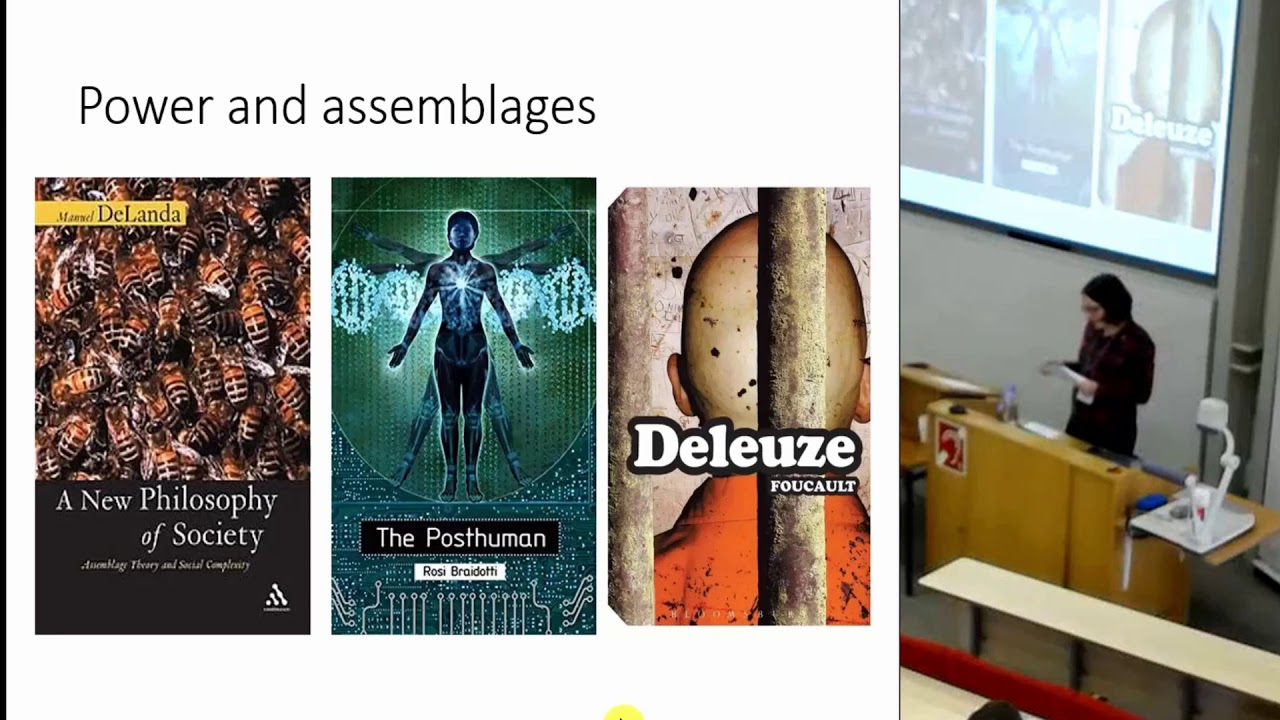
In this paper, we highlight some of the important contributions of posthumanist theory by examining how the lifecycle of llamas in the ancient Andes structured the practices and temporalities of human communities. We present new data that camelids (llamas and alpacas) played a key role in exchange and the movement of people along the sacred landscape of the southern Jequetepeque Valley centred on the important Late Moche ceremonial site of Huaca Colorada (AD650-850). More specifically, we will argue that camelid reproductive cycles constrained and enabled many interrelated human tasks including pilgrimage, farming, fishing, calendrics, feasting and ritual observations. The extensive faunal evidence at Huaca Colorada provides important information on camelid lifeways, and how the timing and social management of breeding, rearing, training, herding and butchering underwrote the scheduling of other economic and ritual activities at the site. In fact, the larger political organization of the community was structured significantly by the biological needs and ritual and economic affordances of camelids. The evidence from Huaca Colorada supports a central critique of posthumanist theory: archaeology has focused too narrowly on human agency and intentionality as the prime mover of structuration.
Aleksa K. Alaica (University of Toronto) and Edward Swenson (University of Toronto)
Повторяем попытку...
Доступные форматы для скачивания:
Скачать видео
-
Информация по загрузке: