I Longobardi. Un'eredità italiana - (XII Lezione di TARDA ANTICHITA' E ALTO MEDIOEVO)
Автор: Tarda Antichità e Medioevo - F. E. Perozziello
Загружено: 2022-05-05
Просмотров: 10666
Описание:
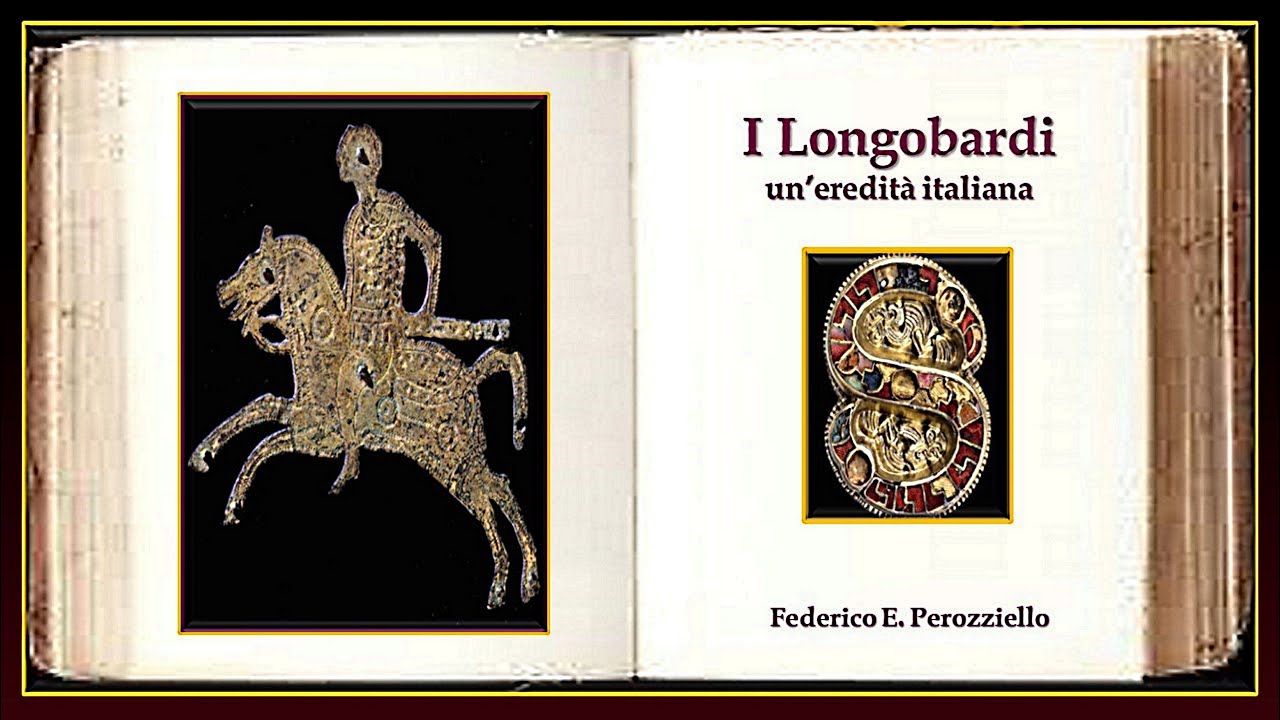
I LONGOBARDI UN'EREDITA' ITALIANA
(XII Lezione di TARDA ANTICHITA' E ALTO MEDIOEVO)
di Federico E. Perozziello
RIASSUNTO
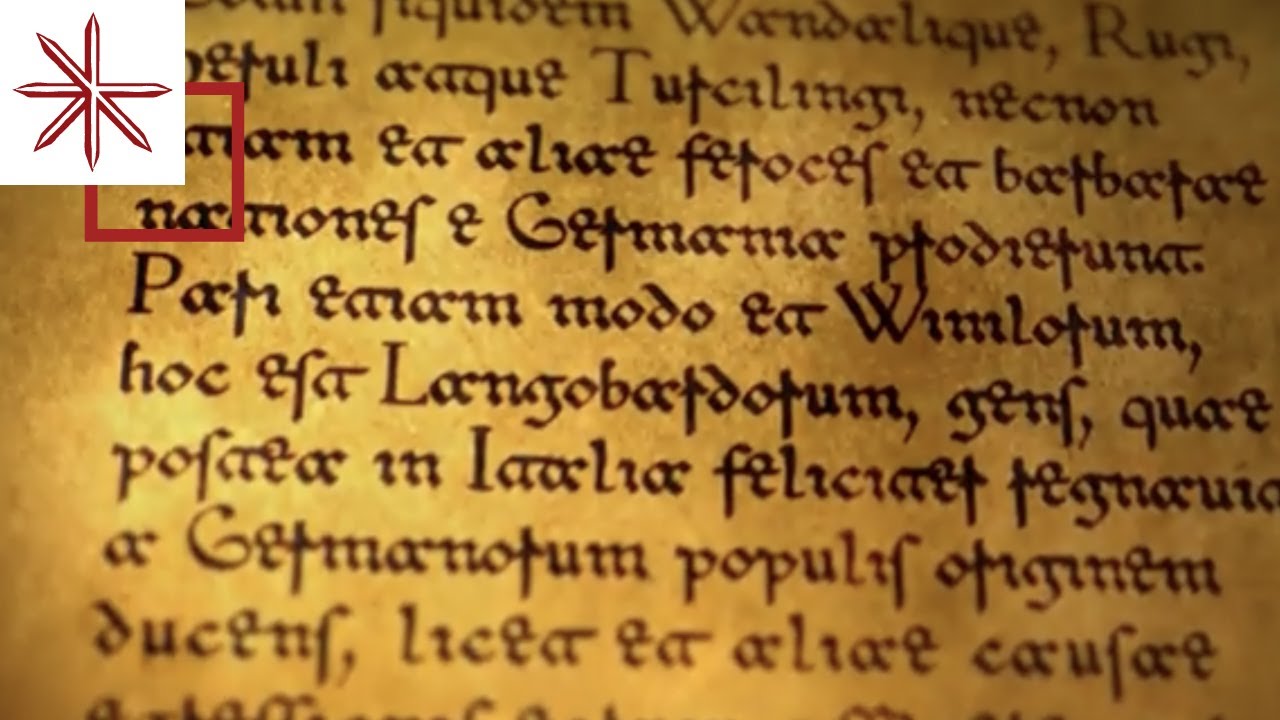
Nel cuore della Pianura Pannonica si era stanziata una popolazione che avrebbe avuto una storia legata in modo inestricabile a quella della Penisola Italiana. Si trattava dei Longobardi, un popolo che aveva vissuto una lunga migrazione durata secoli dal Sud della Scandinavia fino alle sponde del lago Balaton. I Longobardi ebbero un cronista autorevole nello storico Paolo Diacono (720-799) che attraverso la sua narrazione ha permesso di conoscere i preliminari del loro ingresso nelle vicende italiane.
Paolo Diacono era un nobile longobardo e un monaco di Montecassino che scriveva quando ormai il Regno d’Italia dei Longobardi non esisteva più. Nel giugno del 774 Carlo Magno aveva conquistato Ticinum (Pavia), la capitale del regno, cancellando per sempre le aspirazioni a una monarchia nazionale di questo popolo. La "Historia Langobardorum" di Paolo è pertanto intrisa da una misurata malinconia pervasa da una lucida consapevolezza sulla precarietà dei destini umani e sull’impossibilità di far rivivere un passato che pure aveva visto numerose vittorie del popolo cui lo storico apparteneva.
Come le altre etnie barbariche i Longobardi erano una popolazione dalla consistenza numerica modesta, non più di centomila individui. Si trattava di guerrieri coraggiosi e che vivevano secondo le tradizioni tribali germaniche applicate in modo integrale. La lunga barba che gli uomini liberi e i guerrieri portavano manifestava l’appartenenza alla loro etnia. Erano divisi in Farae, gruppi omogenei di famiglie con a capo un nobile che rispondeva delle proprie azioni solo al duca e sopra di lui al re. Le Farae erano delle vere e proprie unità militari e sociali in cui i membri delle famiglie che le costituivano avevano un capo di riferimento riconosciuto che le guidava in guerra, sorvegliava la spartizione del bottino e delle conquiste e regolava la difesa delle donne, dei fanciulli e degli anziani.
Questo filmato è la VERSIONE ESTESA della lezione XI presente nel canale.
__________________________________________________________________________
LONGOBARDS AN ITALIAN HERITAGE
LESSON XII
by Federico E. Perozziello
SUMMARY
In the heart of the Pannonian Plain settled a population that would have had a history inextricably linked to that of the Italian peninsula. These were the Lombards, a people who had experienced a long migration that lasted for centuries from southern Scandinavia to the shores of Lake Balaton. The Longobards had an authoritative chronicler in the historian Paolo Diacono (720-799) who, through his narration, allowed us to know the preliminaries of their entry into Italian affairs.
Paolo Diacono was a Lombard nobleman and a monk of Montecassino who wrote when the Kingdom of Italy of the Lombards no longer existed. In June 774 Charlemagne had conquered Ticinum (Pavia), the capital of the kingdom, cancelling forever the aspirations of this people to a national monarchy. Paul's "Historia Langobardorum" is therefore imbued with a measured melancholy pervaded by a lucid awareness of the precariousness of human destiny and the impossibility of reviving a past that had seen numerous victories of the people to which the historian belonged.
Like the other barbarian ethnic groups, the Longobards were a population of modest numerical consistency, no more than one hundred thousand individuals. They were brave warriors who lived according to the Germanic tribal traditions applied in an integral way. The long beard that the free men and the warriors wore manifested the belonging to their ethnicity. They were divided into Farae, homogeneous groups of families headed by a nobleman who was answerable for his actions only to the duke and above him to the king. The Farae were real military and social units in which the members of the families that constituted them had a head of reference recognized that guided them in war, supervised the division of booty and conquests and regulated the defense of women, children and the elderly.
This film is the EXTENDED VERSION of Lesson XI found in the channel.
Повторяем попытку...
Доступные форматы для скачивания:
Скачать видео
-
Информация по загрузке:





![Il Medioevo [Lectio Magistralis] - Alessandro Barbero (2020)](https://imager.clipsaver.ru/VL2UZ6TpqAA/max.jpg)


![I Longobardi - di Alessandro Barbero [2019]](https://imager.clipsaver.ru/0SGj1IheWAY/max.jpg)