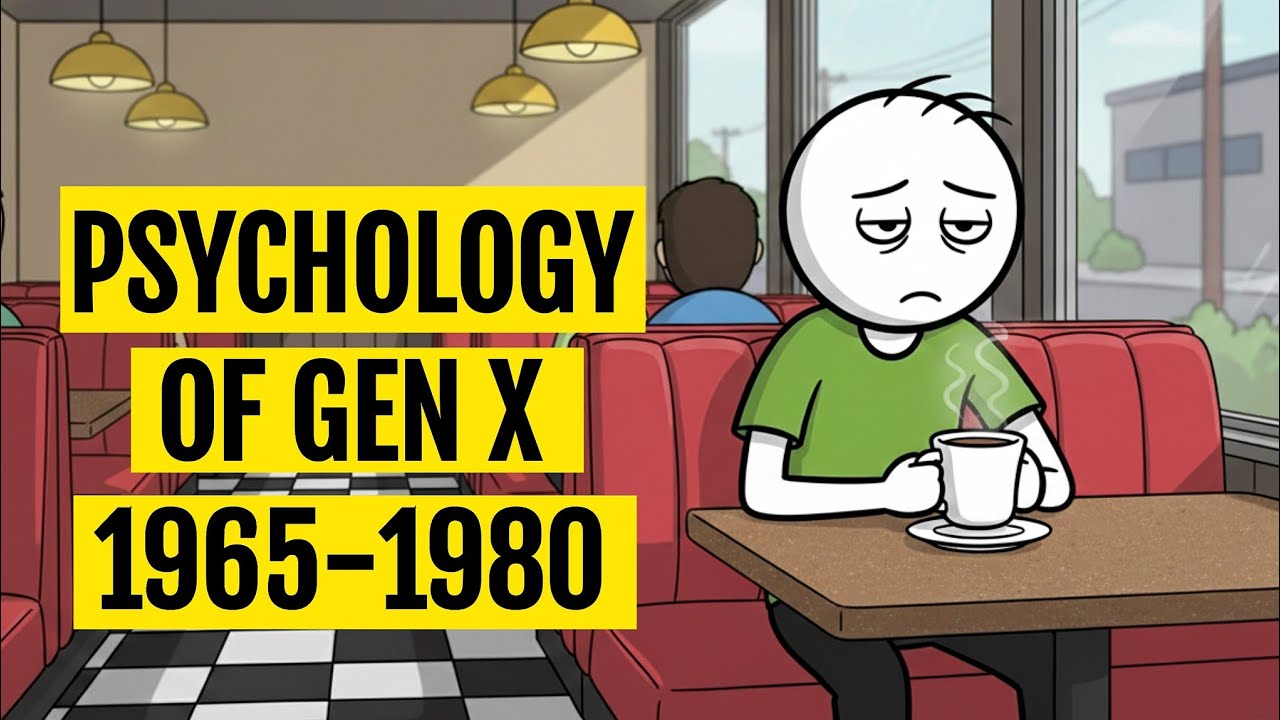
The Psychology Of Gen X (Raised Without Applause)
Автор: Big Brain Explains
Загружено: 2026-02-04
Просмотров: 132138
Описание:
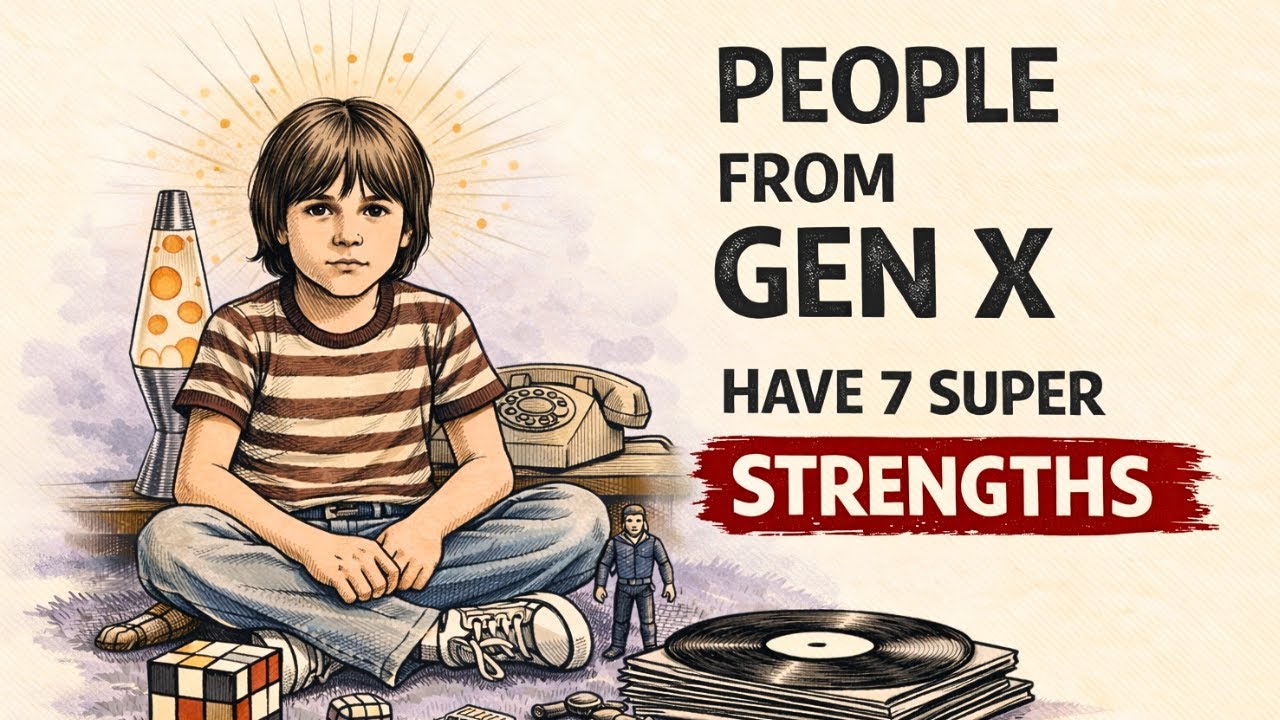
What shaped the psychology of Generation X? In this video, we break down the Gen X mindset, exploring their emotional toughness, independence, skepticism, and the lasting psychological effects of growing up amid economic instability, rising divorce rates, and rapid cultural change.
• The Psychology Of Gen X (Raised Without Ap...
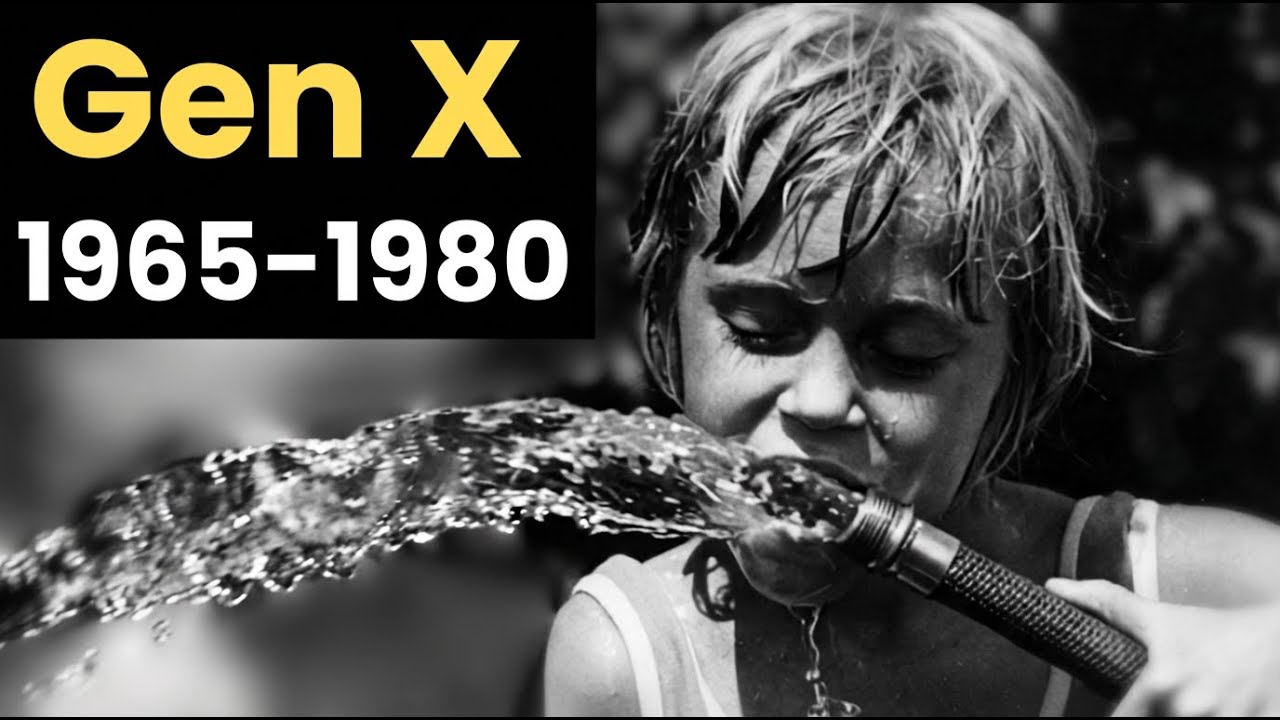
Born roughly between 1965 and 1980, Generation X is often labeled the “forgotten generation,” yet their psychology has quietly shaped modern work culture, parenting approaches, and broader social norms. Traits like self-reliance, emotional restraint, dark humor, cynicism, and adaptability set Gen X apart from both Boomers and Millennials, forming a distinct psychological identity.
In this video, you’ll discover:
The defining psychological traits of Generation X
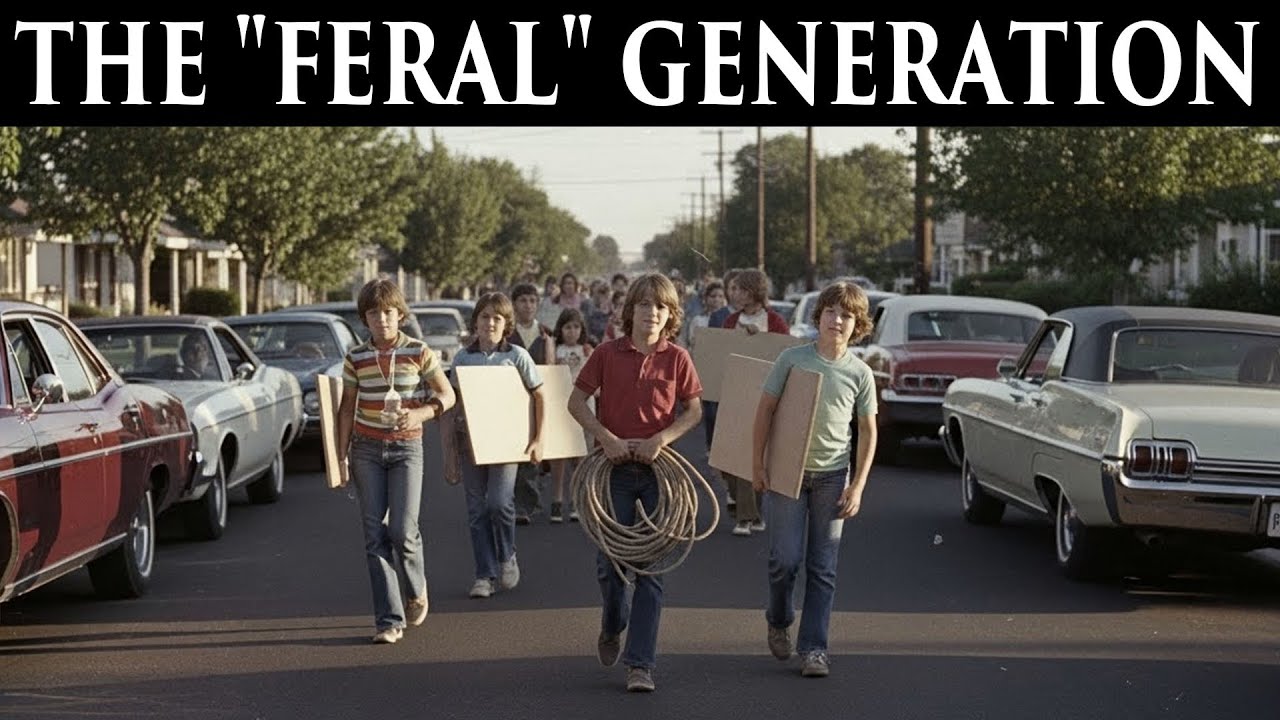
How latchkey childhoods, emotional neglect, and constant media exposure influenced their development
Why Gen X prioritizes independence, authenticity, and realism
How economic uncertainty and institutional distrust shaped their worldview
Key psychological differences between Gen X, Millennials, and Gen Z
Why Gen X is often overlooked, misunderstood, yet remarkably resilient
This deep dive blends social psychology, generational theory, and cultural analysis to explain how and why Generation X thinks, feels, and behaves the way they do.
If you’re curious about generational psychology, human behavior, or why Gen X tends to avoid external validation in ways other generations don’t, this video is for you.
👍 Like, comment, and subscribe for more videos on psychology, generational analysis, and human behavior.
REFERENCES:
1. Latchkey Children Statistics
○ Long, T. J., & Long, L. (1982). "Latchkey Children: The Child's View of Self Care." American Journal of Orthopsychiatry, 52(1).
○ This study documented the prevalence and psychological impact of unsupervised after-school care in the 1980s.
2. High-Contingency Environments and Development
○ Skinner, B. F. (1953). Science and Human Behavior. New York: Macmillan.
○ Foundational work on how immediate consequences shape behavior and cognitive patterns.
3. Defensive Pessimism
○ Norem, J. K., & Cantor, N. (1986). "Defensive Pessimism: Harnessing Anxiety as Motivation." Journal of Personality and Social Psychology, 51(6), 1208-1217.
○ Research on how anticipating negative outcomes can be an adaptive coping strategy.
4. Generational Work Patterns
○ Center for Generational Kinetics. (2016). Generational Breakdown: Info About All of the Generations.
○ Research on workplace characteristics across different generations.
5. Social Support Seeking Patterns
○ Sheldon, P., & Antony, M. G. (2019). "Generational Differences in Use of Social Media and Attitudes Toward Organizations." Journal of Adult Development, 26(2), 163-171.
○ Study examining how different generations approach social support and communication.
6. Deeper Encoding and Effort in Learning
○ Craik, F. I. M., & Lockhart, R. S. (1972). "Levels of Processing: A Framework for Memory Research." Journal of Verbal Learning and Verbal Behavior, 11(6), 671-684.
○ Classic research on how effortful processing leads to better memory retention.
7. Cold War Psychological Impact on Children
○ Greenwald, D. S., & Zeitlin, S. J. (1987). No Reason to Talk About It: Families Confront the Nuclear Taboo. New York: Norton.
Research on how Cold War anxieties affected child development and family psychology.
Disclaimer: This channel is created for educational and informational purposes only. It is not intended to replace professional psychological, medical, or therapeutic advice.
Повторяем попытку...
Доступные форматы для скачивания:
Скачать видео
-
Информация по загрузке: