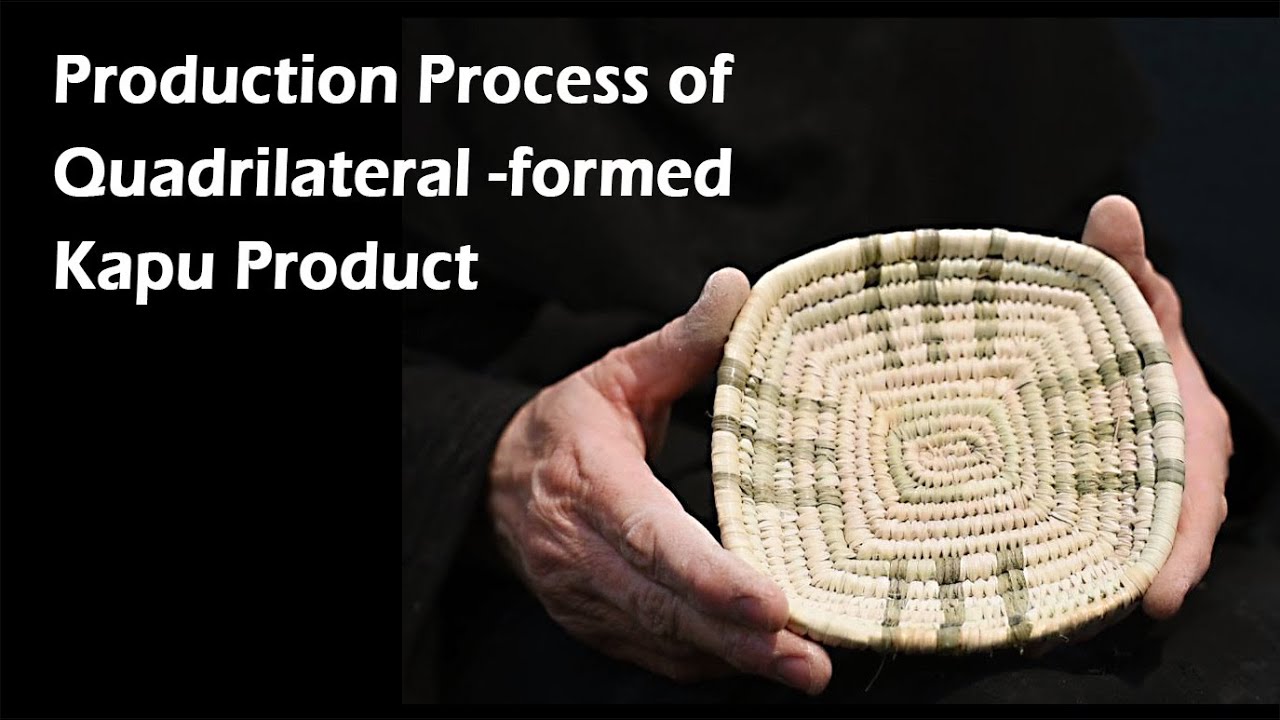
Production Process of Quadrilateral -formed Kapu Product (kapu weaving: Part 9) (کپوبافی)
Автор: Barzaan handicrafts
Загружено: 2023-08-04
Просмотров: 998
Описание:
Production Process of Quadrilateral -formed Kapu Product
Production process of quadrilateral -formed Kapu product is as follows:
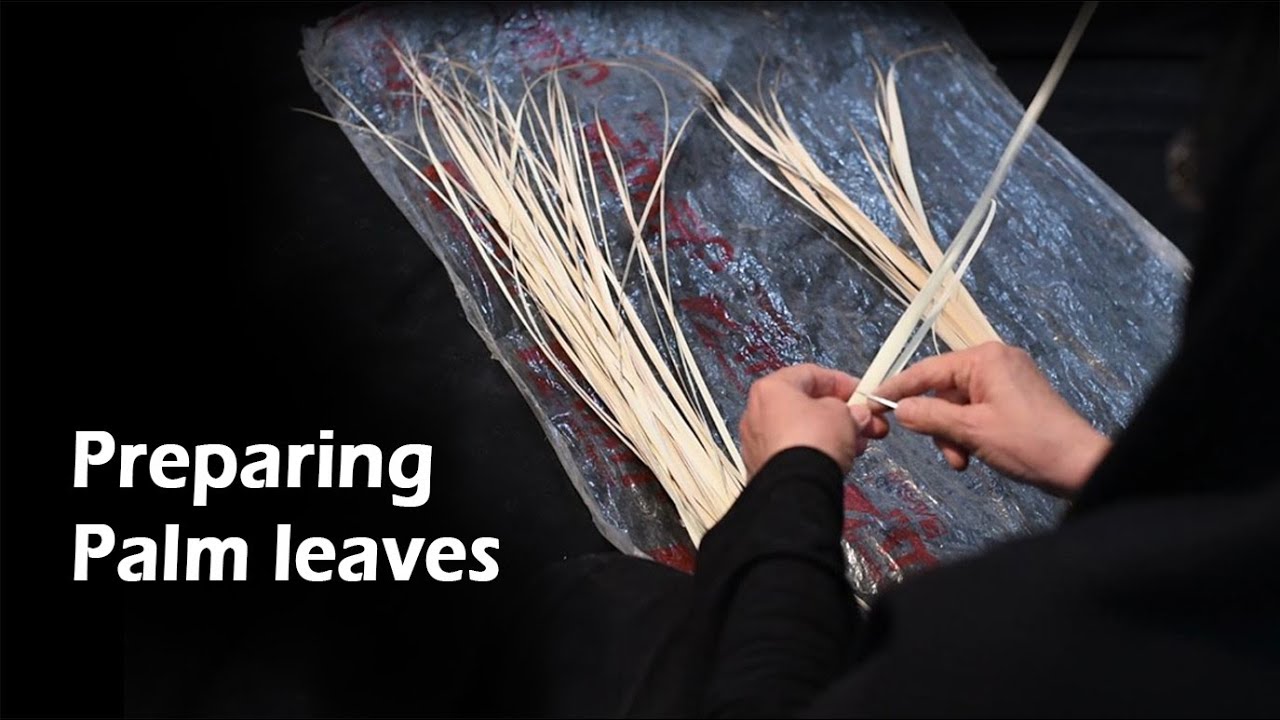
The Kapu weaver holds several threads of Kertak in the left hand, in a form that they fit under the fingertips in a row.
With the right hand, he places a palm leaf on the top of the Kertak and under the thumb of the left hand.
Then, carefully, He twists the palm leaf around Kertak, so that the head of the leaf is hidden underneath itself.
This process repeats for weaving a range of 3 to 5 centimeters in length. This range is the first row of the Kapu product.
To find second row of Kapu, the Kapu weaver breaks Kertak at the desired point.
Then, he twists the palm leaf around the position of the fracture.
He extends the trimming of Kertak on the first row.
The Kapu weaver crosses the leaf from the needle hole. Then he sews Kertak to the previous row.
After reaching the end of the first row, the Kertak groups are bent to the inside and the tangles continue to strain on the previous row and repeat the sewing process.
The Kapu weaver repeats this process, and in the next rows, he considers the degree of bending of Kertak near to 90 degrees, so that the bottom of the product is woven with a square shape to the desired extent.
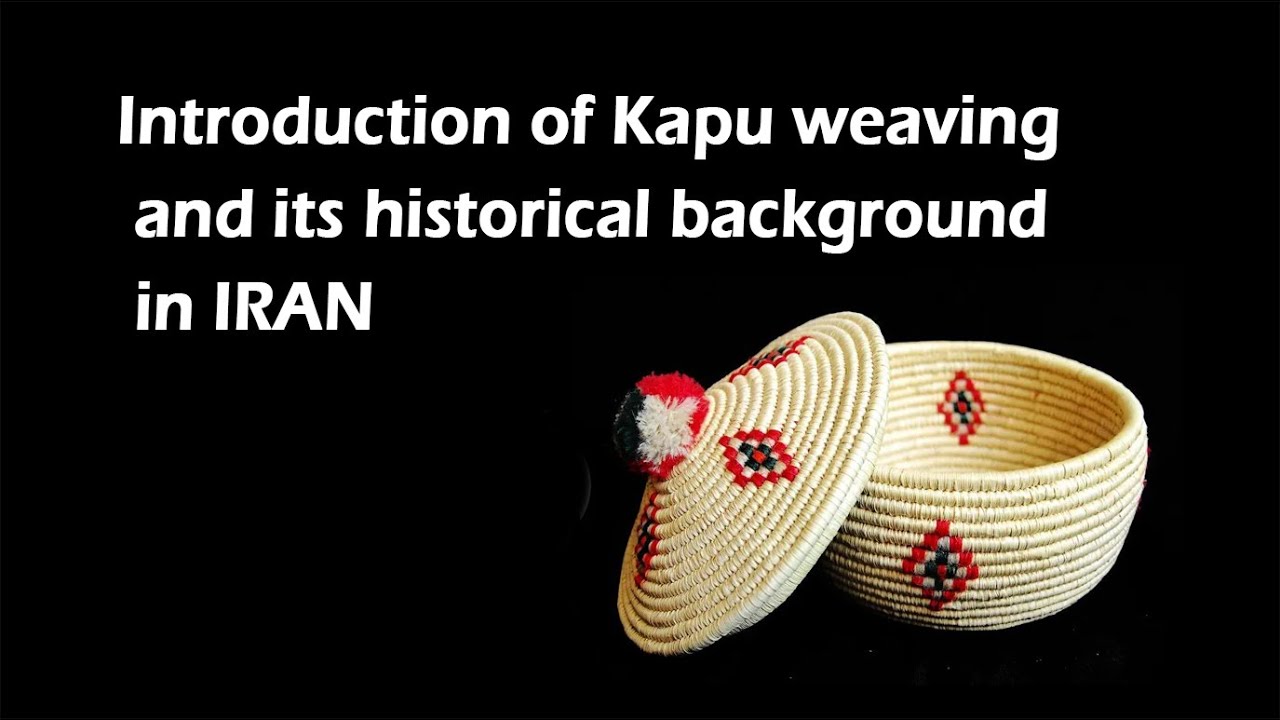
Creating the Motifs is done subjectively without the use of a tangible map, but this requires a precise breakdown of the surface of the Kapu and attention to the position of the elements in the final product.
At the first point of view for placing the motif, instead of the white palm leaves, he uses a palm-colored leaf to twist and sew around Kertak. The degree of twisting of the colored leaves around Kertak depends on the size of the desired motif.
After creating the first part of the theme, the Kapu weaver continues with a white leaf.
In this row, the first part of the other Motifs is also created.
The process repeats, and in the next few steps he creates other parts of the Motifs.
After weaving the bottom of Kapu product, in order to create the product wall, the Kapu weaver will roll the Kapu gradually towards the desired position and continues the weaving process.
After creating the product wall, the Kapu weaver combines the last row of the product by gradually cutting on the product's edge.
فرآیند تولید محصول کپوی چهارگوش
فرآیند تولید محصول کپوی منقوش با فرم چهارگوش اینگونه تولید است:
کپوباف، چند رشته کرتک را بهصورت دستهای در دست چپ خود میگیرد؛ به شکلی که سر آنها همردیفشده و زیر نوک انگشتان مستقر شوند
با دست راست، سر یک رشتۀ برگ نخل را روی ابتدای کرتکها و در زیر انگشت شستِ دستِ چپ قرار میدهد.
سپس با دقت، برگ نخل را بهدور کرتکها میپیچاند؛ به طوری که سرِ برگ در زیر خودش پنهان و ثابت شود.
این فرآیند را، برای بافتن محدودهای به درازای 3 تا 5 سانتیمتر تکرار میکند. این محدوده، نخستین رج کف محصول کپو را تشکیل می دهد.
برای بافتن رج دوم کپو، کپوباف، ادامۀ کرتکها را در نقطۀ مورد نظر میشکند.
سپس برگ نخل را بهدور محل شکستگی میپیچاند.
ادامۀ کرتکها را روی رج اول مماس میکند.
رشتۀ پیش را از سوراخ سوزن عبور میدهد. سپس ادامۀ کرتکها را به رج قبلی دوخت میزند.
پس از رسیدن به انتهای رج اول، کرتکها را بهسمت داخل خم کرده، ادامۀ کرتکها را روی رج قبلی مماس کرده و فرآیند دوختزدن را تکرار میکند.
کپوباف، این فرآیند را تکرار میکند و در رجهای بعدی، میزان خمشدن کرتکها را به زاویۀ 90 درجه نزدیک میکند تا کف محصول با فرم مربع و به اندازۀ مورد نظر بافته شود.
نقشاندازی کپو بهطور ذهنی و بدون استفاده از نقشۀ ملموس انجام میشود، اما اینکار مستلزم تقسیمبندی دقیق سطح کپو و توجه به موقعیت نقشمایهها در محصول نهایی است.
در اولین نقطۀ مورد نظر برای نقشاندازی، کپوباف، بهجای برگ نخل سفید، از برگ نخل رنگی برای پیچاندن بهدور کرتکها و دوختزدن استفاده میکند. میزان پیچش برگ رنگی بهدور کرتکها، به ابعاد نقشمایۀ مورد نظر بستگی دارد.
پس از ایجاد اولین بخش نقشمایه، کپوباف کار را با برگ سفید ادامه میدهد.
در این رج، اولین بخش سایر نقشمایهها نیز ایجاد میشود.
کپوباف این فرآیندها را تکرار کرده و در رجهای بعدی، سایر بخشهای نقشمایهها را ایجاد میکند.
پس از بافتهشدن کف محصول کپو، برای ایجاد دیوار محصول، کپوباف رجهای کپو را بهتدریج به سمت مورد نظر متمایل کرده و فرآیند بافتن را ادامه میدهد.
پس از ایجاد دیوار محصول، کپوباف، آخرین رج محصول را ازطریق برشدادن تدریجی کرتکها، روی لبۀ محصول ادغام میکند.
Повторяем попытку...
Доступные форматы для скачивания:
Скачать видео
-
Информация по загрузке: