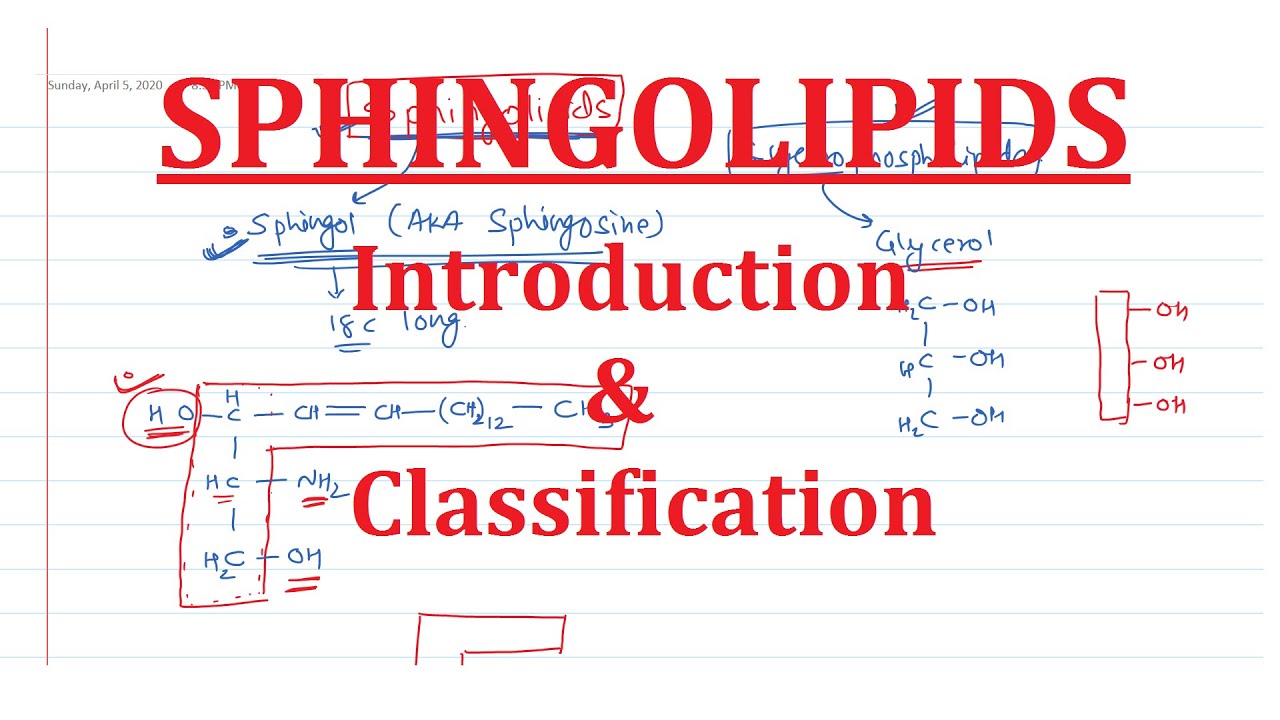
Phospholipid Structure | Phosphotidylcholine | Class 11 ( Urdu/Hindi )
Автор: ALI ACADEMY BIOLOGY LECTURES
Загружено: 2021-12-11
Просмотров: 75544
Описание:
Hi Everyone! Welcome To My Channel "Ali Academy Biology Lectures"
About This Video ........................
In This Video Lecture You Will Learn Basic Concept Of Phospholipid
A phospholipid is a type of lipid molecule that is the main component of the cell membrane. Lipids are molecules that include fats, waxes, and some vitamins, among others. Each phospholipid is made up of two fatty acids, a phosphate group, and a glycerol molecule. When many phospholipids line up, they form a double layer that is characteristic of all cell membranes.
Phospholipid Structure
A phospholipid is made up of two fatty acid tails and a phosphate group head. Fatty acids are long chains that are mostly made up of hydrogen and carbon, while phosphate groups consist of a phosphorus molecule with four oxygen molecules attached. These two components of the phospholipid are connected via a third molecule, glycerol.
Phospholipids are able to form cell membranes because the phosphate group head is hydrophilic (water-loving) while the fatty acid tails are hydrophobic (water-hating). They automatically arrange themselves in a certain pattern in water because of these properties, and form cell membranes. To form membranes, phospholipids line up next to each other with their heads on the outside of the cell and their tails on the inside. A second layer of phospholipids also forms with heads facing the inside of the cell and tails facing away. In this way, a double layer is formed with phosphate group heads on the outside, and fatty acid tails on the inside. This double layer, called a lipid bilayer, forms the main part of the cell membrane. The nuclear envelope, a membrane surrounding a cell’s nucleus, is also made up of phospholipids arranged in a lipid bilayer, as is the membrane of mitochondria, the part of the cell that produces energy.
Functions of Phospholipids
As membrane components, phospholipids are selectively permeable (also called semi-permeable), meaning that only certain molecules can pass through them to enter or exit the cell. Molecules that dissolve in fat can pass through easily, while molecules that dissolve in water cannot. Oxygen, carbon dioxide, and urea are some molecules that can pass through the cell membrane easily. Large molecules like glucose or ions like sodium and potassium cannot pass through easily. This helps keep the contents of the cell working properly and separates the inside of the cell from the surrounding environment.
About This Channel.....................
I make these videos cause I love to draw and connect the complexity of science and medicine into art. I'm not saying. I'm 100% correct in all my videos, but I do try to obtain the information from credible sources.
One-stop destination for all biology lectures.
_ students in class 11, 12 or appearing for competitive medical exams ( NMDCAT ) will find it very beneficial
_ The videos are categories under various heading to make the students life simplified
Visit My Other Channel Playlist .....................
NMDCAT PART 1: • New 1st Year Biology
NMDCAT PART 2: • New 2nd Year Biology
Class 11th Lectures: • New 1st Year Biology
Class 12th Lectures: • New 2nd Year Biology
Class 10th Lectures:
• Matric Biology
Subscribe My Channel:
/ aliacademya7r
Social Link........................
Instagram:
https://instagram.com/ranaalibiologis...
Повторяем попытку...

Доступные форматы для скачивания:
Скачать видео
-
Информация по загрузке:



![Эффект Джанибекова [Veritasium]](https://imager.clipsaver.ru/N9HlQ-XVnFk/max.jpg)



![Пожалуй, главное заблуждение об электричестве [Veritasium]](https://imager.clipsaver.ru/6Hv2GLtnf2c/max.jpg)