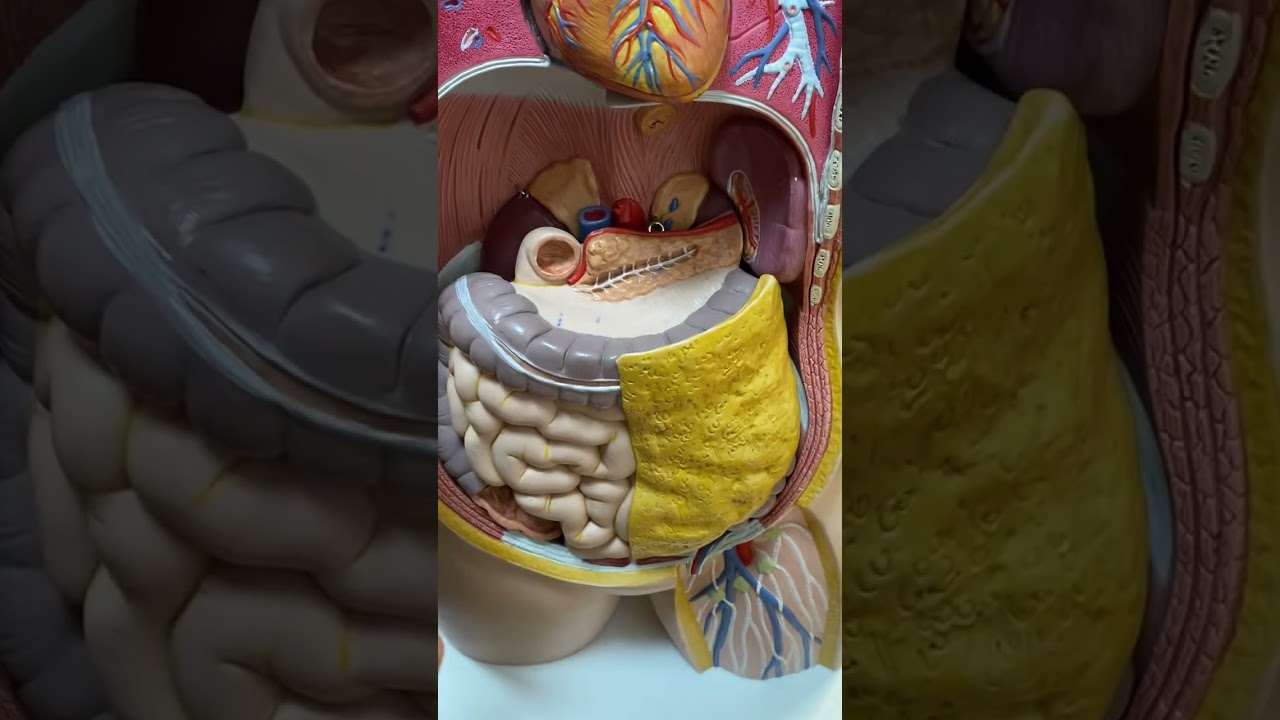
White Blood Cells in Physiology: Types, Functions and Clinical Classification
Автор: PHARMA TECHNOLOGY
Загружено: 2026-02-19
Просмотров: 13
Описание:
White blood cells (WBCs), also called leukocytes, are essential components of the immune system. They protect the body against infections, foreign invaders, and abnormal cells. In physiology, WBCs are classified into two main groups: granulocytes and agranulocytes based on the presence or absence of cytoplasmic granules.
Granulocytes include neutrophils (first line of defense, phagocytosis of bacteria), eosinophils (defense against parasites and role in allergic reactions), and basophils (release histamine and involved in inflammation). Agranulocytes include lymphocytes (B cells, T cells, and NK cells responsible for adaptive immunity) and monocytes (differentiate into macrophages and perform phagocytosis).
Normal WBC count ranges from 4,000–11,000/µL of blood. Abnormal increases (leukocytosis) or decreases (leukopenia) have important clinical significance in infections, inflammatory disorders, bone marrow diseases, and immune deficiencies.
#WhiteBloodCells #Leukocytes #Physiology #ImmuneSystem #Granulocytes #Agranulocytes #Neutrophils #Lymphocytes #Monocytes #Eosinophils #Basophils #Hematology #ClinicalSignificance
Повторяем попытку...

Доступные форматы для скачивания:
Скачать видео
-
Информация по загрузке:







![Эффект Джанибекова [Veritasium]](https://imager.clipsaver.ru/N9HlQ-XVnFk/max.jpg)


![Пожалуй, главное заблуждение об электричестве [Veritasium]](https://imager.clipsaver.ru/6Hv2GLtnf2c/max.jpg)