🎵 Rising damp? - ❌ No, a leak💧 and old woodworm 🪲
Автор: Damp Surveys
Загружено: 2026-01-19
Просмотров: 75
Описание:
00:22 Damp corner misdiagnosed as rising damp
00:41 Explanation of groundwater impossibility in London
01:11 Prior damp proofing ineffective
02:24 Water meter movement suggesting leak
02:47 Render and microcracking issues
03:50 Kitchen fan recirculating; vapour spreading
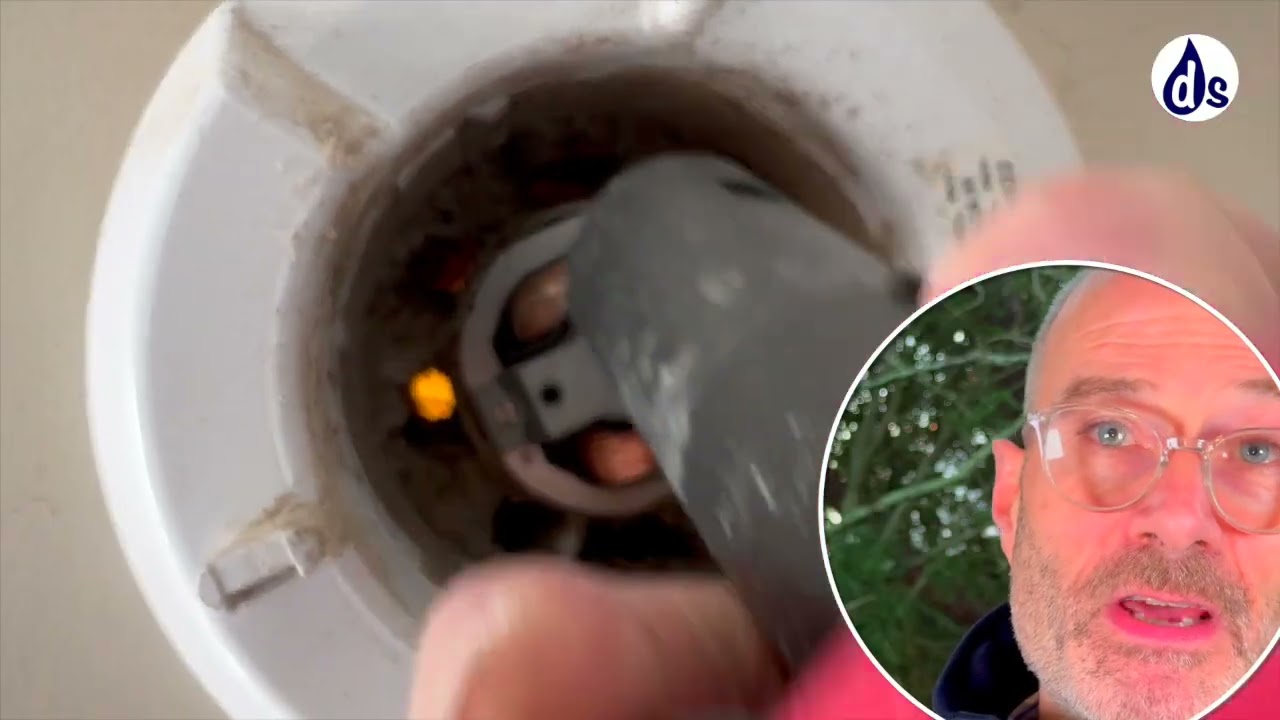
04:59 Bathroom fan blocked and cleared
05:29 Thin loft insulation
05:37 Sub-floor ventilation clearing
06:12 Corner cold-spot at 8.7°C
06:40–07:43 Dew point and condensation evidence
11:08 Leak beneath floor summarised
12:23 🎵 A song about Wood worm
✅ Conclusions and Recommended Actions
🧱 Rising damp ruled out
The lower walls have clearly been treated in the past with chemical DPC Injection and internal cement-based Damp proofing, but you are still seeing damp. In London, the groundwater that would be needed for true Rising damp is pumped well below basements and tube tunnels, and there are no groundwater-bearing rocks under this house, so the pattern here cannot be groundwater rising from below. The existing damp proofing is therefore masking symptoms, not fixing the cause.
💧 Sub-floor humidity, probable mains leak and condensation at the base of walls
Under the living room floor, I measured very high Sub-Floor Humidity at around 92 percent, while outside air was nearer 60 percent, which is only plausibly explained by free water entering the sub-floor void. There was no sign of overflowing gutters or obvious drain defects at the front, and internal taps and outlets were not dripping, so the most credible explanation is a small mains pipe or stopcock leak beneath or just inside the property – this is why we need to Investigate Mains Leak. As that damp air rises, it can condense above the original damp proof course and soak into the plaster from the leak upwards, giving a misleading “tide mark” that looks like rising damp but is driven by a leak and condensation, not groundwater.
🌡 Dew point, vapour load and why the corner keeps getting wet
Using your data loggers and my calculator, I looked at the internal Dew Point over time in the living room and compared it with the bedroom and outside.
❄️ Cold flank wall, chimney breast and thermal bridging in bedroom and living room
Thermal imaging and spot measurements showed the flank wall, external corners and the area near the metal side access are significantly colder than the nearby radiators, dropping to around 8–9 degrees while the radiator was close to 50 degrees.
🌬 Kitchen vapour – fix the extractor and contain it
The present kitchen fan only recirculates air and is not ducted outside, so almost all steam from cooking drifts straight into the living room, especially as there is no effective door seal between the spaces.
🚿 Bathroom vapour – fan improved but still undersized
In the bathroom, the extractor fan was initially only moving around 4–5 litres per second; after cleaning, freeing the grille and removing a stuck backdraught shutter, it now runs nearer 8–9 litres per second, which is better but still below the typical 15 litres per second target.
🧺 Clothes drying, dehumidifier and day-to-day vapour control
Your data shows clear spikes in internal dew point consistent with cooking, showering and possible clothes drying indoors.
🪟 External walls, paint, render cracks and air brick
Externally, the lower brickwork has been painted and there are fine Render Cracks and micro-cracks in the coating, plus evidence of previous damp proofing drill holes and a short plinth and gravel “French drain” at the front.
🏡 Loft insulation – now thin and patchy, functionally close to “no insulation”
In the loft we found only a single, incomplete layer of insulation with obvious gaps, missing areas and an old tank that should be removed.
📌 Overall conclusion – what is really causing the damp and what to do next
Putting everything together, the wetness at the base of the living room and the front bedroom chimney breast comes from three linked causes: a probable sub-floor mains leak driving very high humidity under the floor, excessive internal moisture from normal living that is not being extracted effectively, and cold corners. There is no risk or evidence of Rising damp.
Повторяем попытку...
Доступные форматы для скачивания:
Скачать видео
-
Информация по загрузке:


