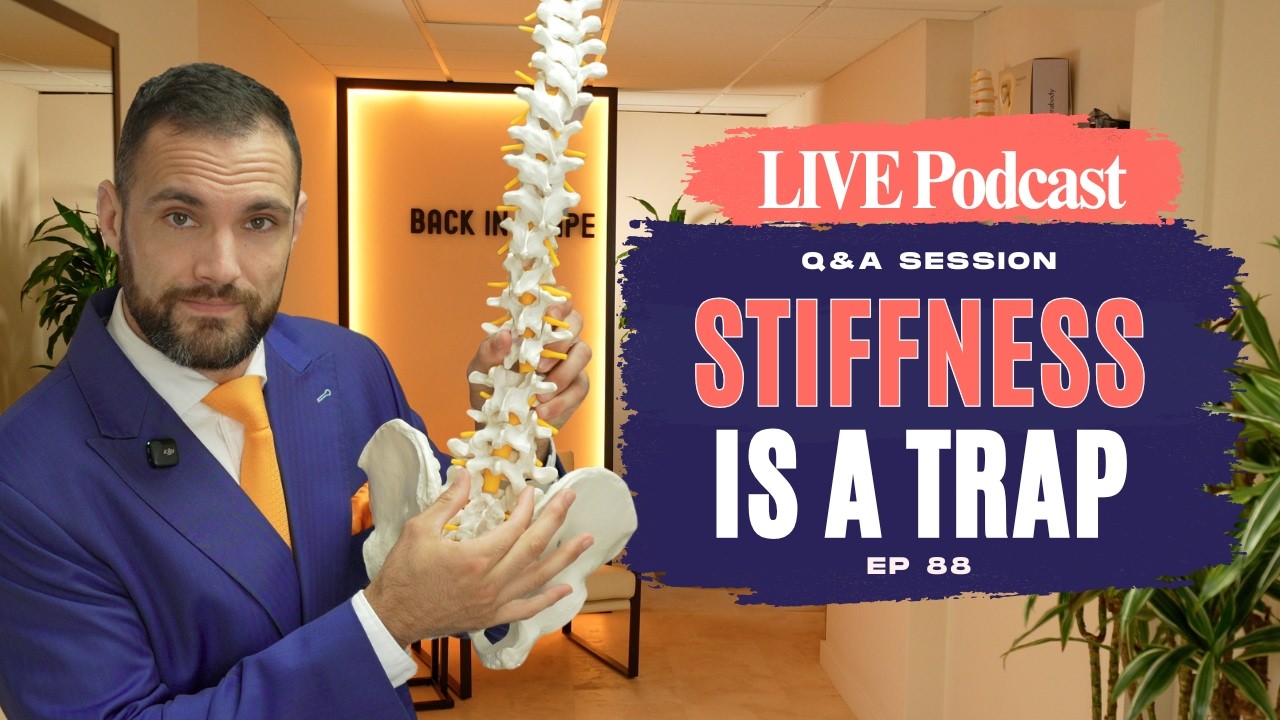
Flat Lumbar Spine: Why Stretching Makes Your Back Pain Worse
Автор: Back In Shape Program
Загружено: 2026-03-19
Просмотров: 549
Описание:
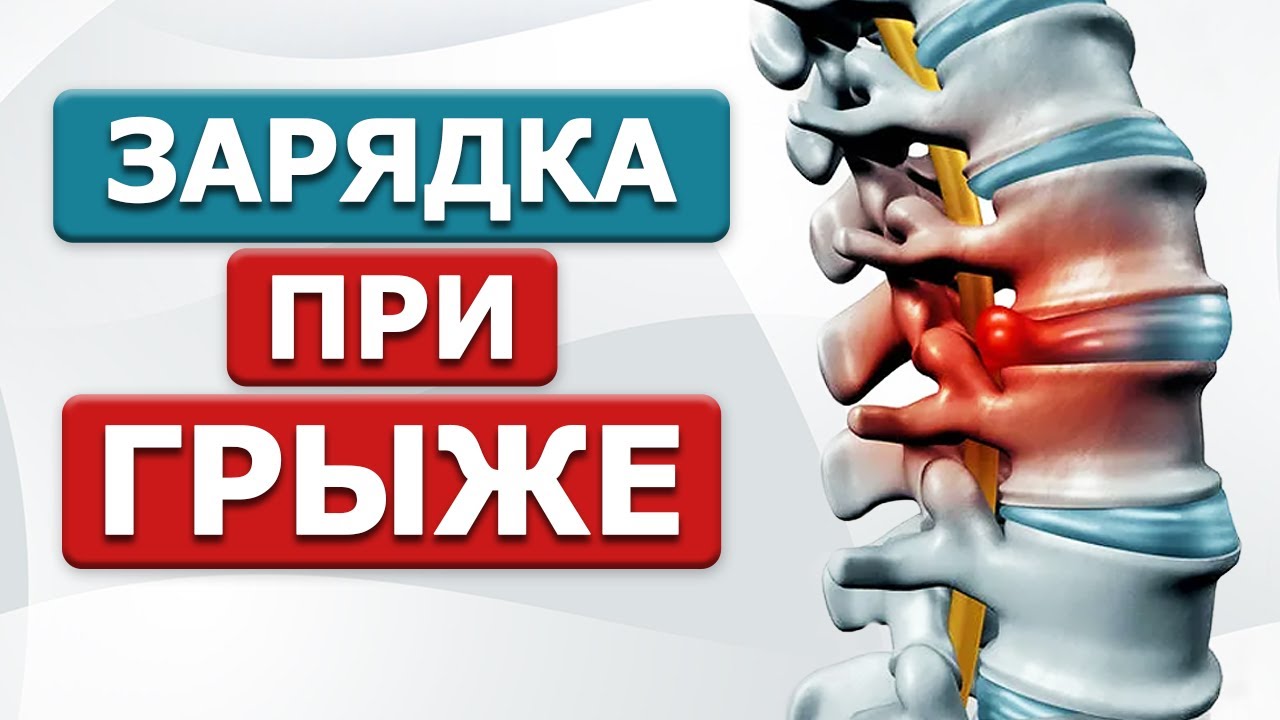
In this comprehensive session, we dive deep into the mechanics of spinal alignment, using real X-ray analysis to expose a growing issue: the flattened lumbar curve, or hypolordosis. While many individuals are mistakenly told they have an excessive spinal curve, the reality for most modern adults—largely due to prolonged sitting and sedentary habits—is a loss of the natural lumbar arch. This flattening effect drastically compromises the spine's ability to absorb shock and tolerate daily loads, setting the stage for persistent lower back pain, sciatica, and herniated discs. We break down exactly what these imaging results reveal and why understanding your true spinal mechanics is the critical first step towards a lasting recovery.
Building on this clinical insight, we explore why popular, generic advice is often counterproductive for rehabilitation. We explain the physiological reasons why forward-bending stretches, such as the widely prescribed knee-to-chest stretch or 'knee hugs', actually increase tension and pressure on the spinal discs rather than providing true relief. True rehabilitation requires a shift away from passive stretching and towards an active, structured programme. By introducing proper loading mechanics through fundamental movements like squats and hip hinges, you can effectively rebuild spinal stability. Far from being dangerous, learning to lift with weights teaches your body how to safely handle the unavoidable loads of everyday life, whether you are lowering yourself into a chair or carrying a toddler.
Key Topics Covered
👁️ Decoding X-Ray Alignment: We analyse spinal X-rays to demonstrate how prolonged sitting leads to hypolordosis (a flattened lumbar curve). This structural change is frequently misdiagnosed but remains a primary driver of lower back pain and spinal vulnerability.
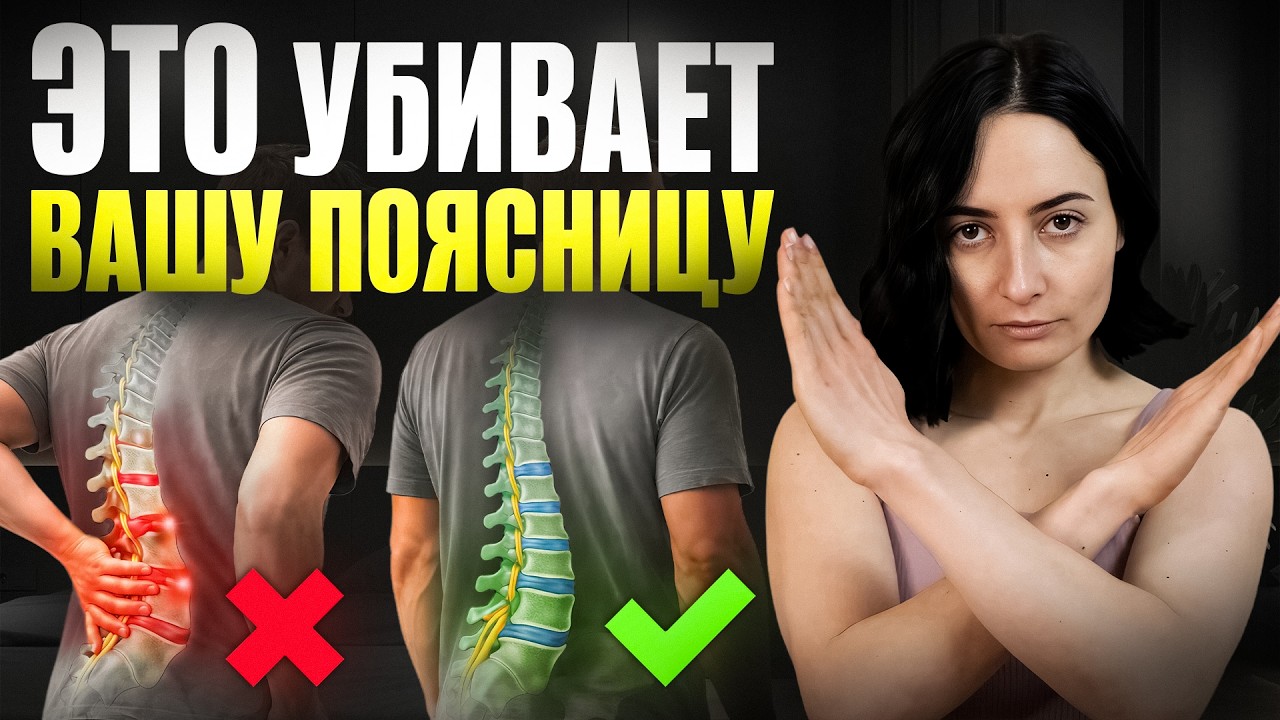
🩹 The Danger of Forward Flexion: Discover why common stretches like knee hugs actively increase disc pressure and muscular tension. We explain the mechanics of why aggressively stretching an already flattened spine only exacerbates the underlying instability.
⏳ Building Real Resilience: Learn why a structured programme focused on active strength—using fundamental movements like the squat and hip hinge—is vastly superior to passive treatments. We discuss how safely introducing weights prepares your spine for the heavy demands of everyday life.
Chapters
00:00 Introduction & The Value of X-Rays
02:50 Always Assume a Normal Spinal Alignment
04:40 How Daily Sitting Flattens the Lumbar Curve
07:30 Why Stretching a Tight Lower Back Fails
09:45 Using Towel Decompression for Relief
11:50 Detailed X-Ray Analysis: Normal vs. Hypolordosis
22:15 Rebuilding Stability: Squats, Hinges & Dead Bugs
26:00 Hobbies vs. Rehab: Is Pilates Safe?
27:10 Managing Spondylolisthesis with Active Support
30:10 Defining Lordosis, Hypolordosis & Hyperlordosis
37:00 Why Mobility Work Fails Injured Joints
43:00 The Problem with Static Back Extensions
50:55 Bird Dog vs. Dead Bug for Core Awareness
52:15 Post-Surgery (Microdiscectomy) Recovery Gaps
55:50 Overcoming the Fear of Lifting Weights
01:01:05 Progressive Loading vs. Flexibility
01:04:40 Can Ankle or Hip Issues Cause Back Pain?
01:07:15 How to Properly Structure a Rehab Program
01:11:05 Adapting Rehab Principles for the Elderly
#LowerBackPain #SpinalStability #Sciatica
Повторяем попытку...
Доступные форматы для скачивания:
Скачать видео
-
Информация по загрузке: