High-Bar Vs Low-Bar Squats — They're NOT That Different
Автор: BarBend
Загружено: 2019-05-07
Просмотров: 28950
Описание:
High-Bar and Low-Bar Squats
There tends to be an age-old argument about the high-bar and low-bar squat in regard to which is better. In our opinion, that argument is dated.
Instead of thinking about which squat style is "best" or "better", we want to encourage a different way of thinking about the high-bar and low-bar squat.
In reality, both squat styles are virtually the same with what they can do for the body and performance, AKA build stronger, more powerful legs.
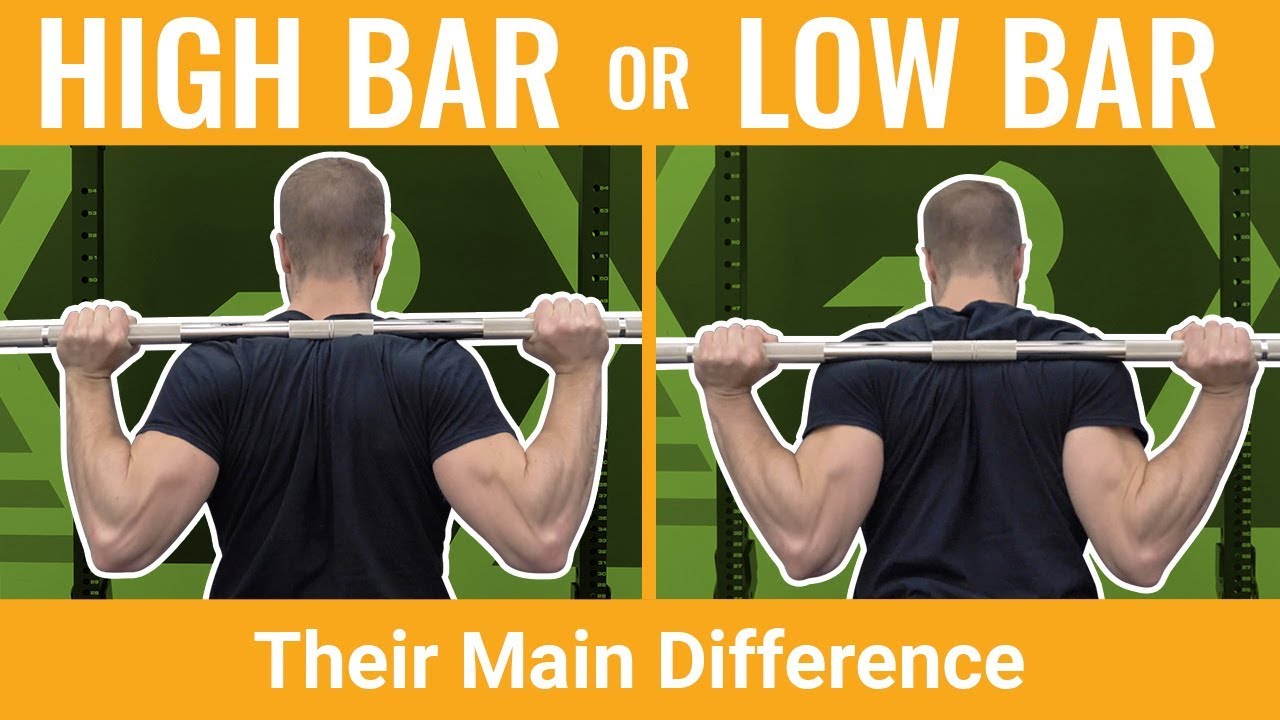
The only REAL difference between these squats is the bar placement on the back. The difference between the high-bar and low-bar bar placement tends to range from 1-3 inches.
This differentiation of bar placement can shift squat mechanics slightly in how the squats are then performed, but their benefits will be eerily similar.
For example, the low-bar squat tends to be a more hip dominant squat with a forward lean, while the high-bar squat positions the body in a more upright position (1). The reasoning for this is the bar's placement and it's relationship to the fulcrum (low-bar is closer, while the high-bar is further).
Even though the squats might look slightly different in practice, their benefits are still pretty much the exact same. The knees and hips will both need a strong extension in order to successfully complete reps, which makes both squat styles viable options for lower body strength, size, and power training.
Both squat styles are useful and will train the lower body in similar manners. The thought of them being completely separate movements can be limiting in practice. There can be slight differences in muscle activation, but their differences are minimal (1).
BOTH SQUAT STYLES WILL...
1. Improve leg strength by requiring the quads and hips to work in unison to create strong extension.
2. Have carryover to athletic performance and other lifts.
------
When the Difference CAN Matter
The only time it's worth differentiating between the high-bar and low-bar is when assessing the context of their use and when there is a clear athletic goal at hand.
For example, if athletes in sport are already training the deadlift on a weekly basis, then adding heavy low-bar squats might create additional posterior fatigue, which could be limiting to their performance.
Conversely, if athletes are NOT deadlifting on a regular basis, then low-bar squats could be useful for facilitating a higher stimulus for the back.
For strength sport athletes, weightlifters would be best served opting for high-bar squats, as they most closely replicate the catch in Olympic lifts. While powerlifters who compete with low-bar squats can benefit with using this style of squat most, but can benefit with high-bar, too.
At the end of the day, squat in a way that feels most comfortable for you. Both squat styles are useful for developing leg strength and it all comes down to how they're being performed on a regular basis.
References
1. Glassbrook DJ, e. (2019). A Review of the Biomechanical Differences Between the High-Bar and Low-Bar Back-Squat. - PubMed - NCBI . Ncbi.nlm.nih.gov. Retrieved 7 May 2019, from https://www.ncbi.nlm.nih.gov/pubmed/2...
Повторяем попытку...
Доступные форматы для скачивания:
Скачать видео
-
Информация по загрузке:


