How To Create Bonsai Tree From Collected Material: 1st Repotting Nerium Oleander Yamadori
Автор: Mediterranean Bonsai
Загружено: 2019-02-15
Просмотров: 10216
Описание:
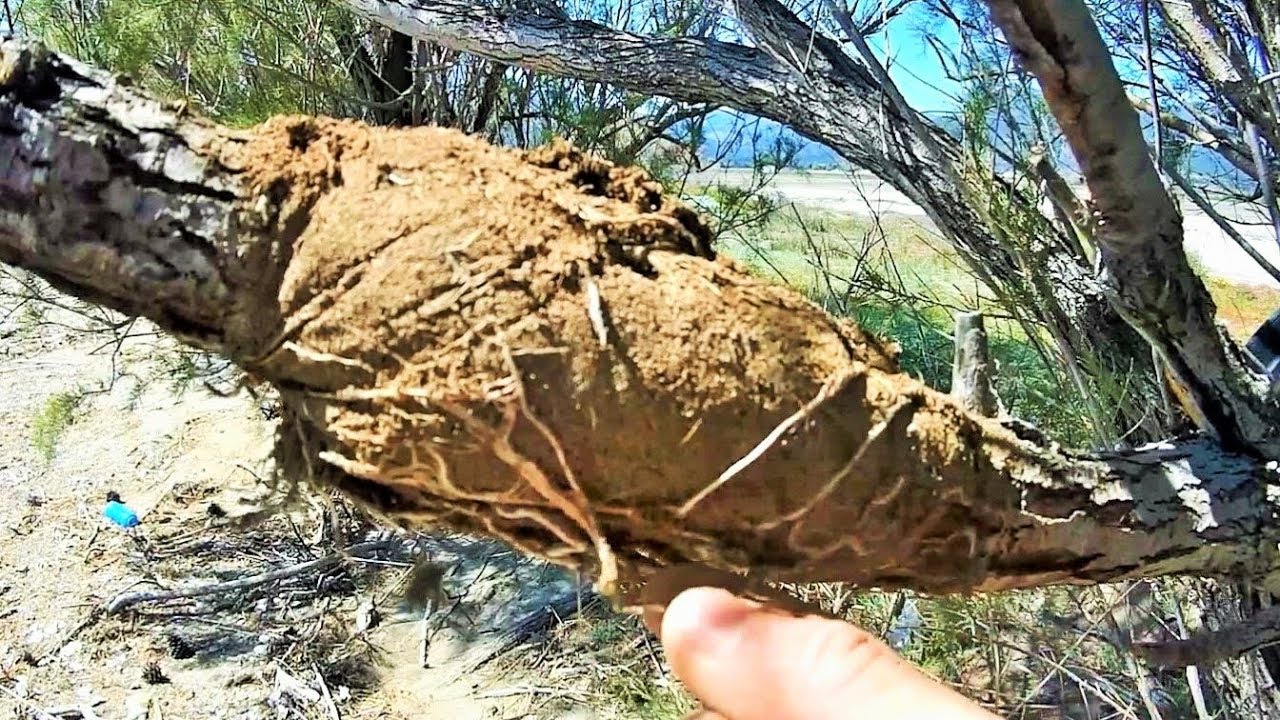
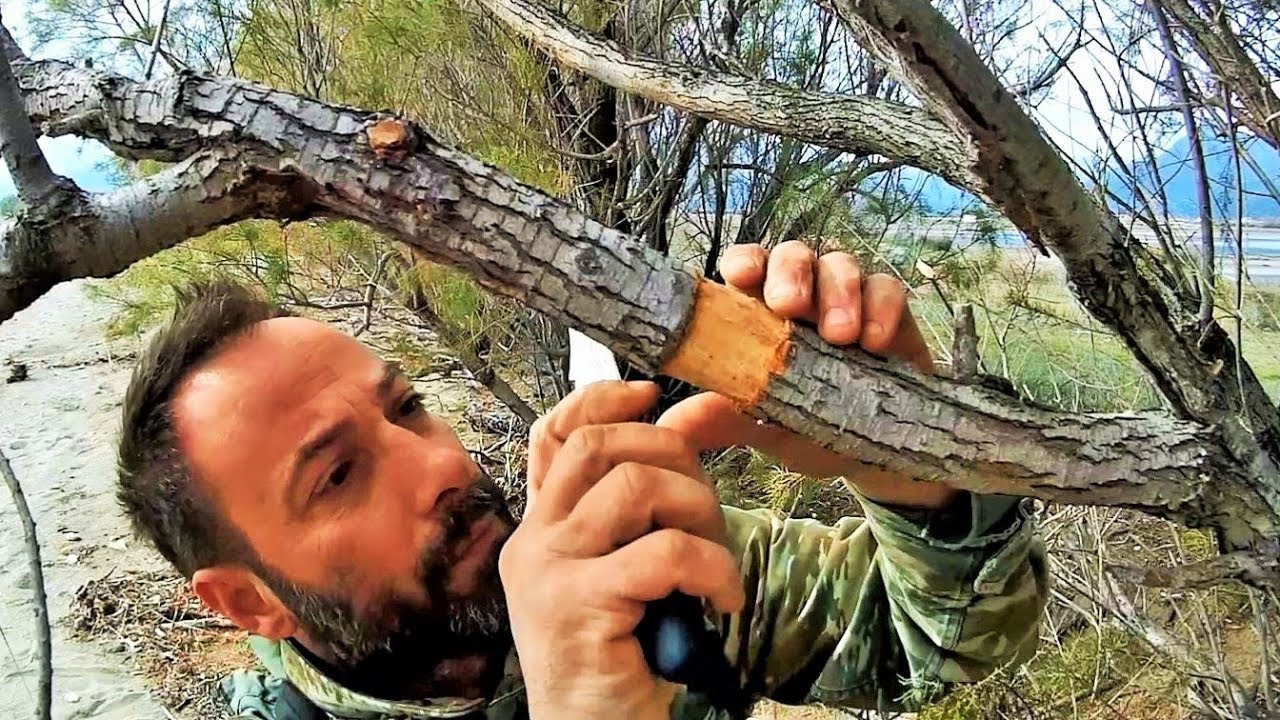
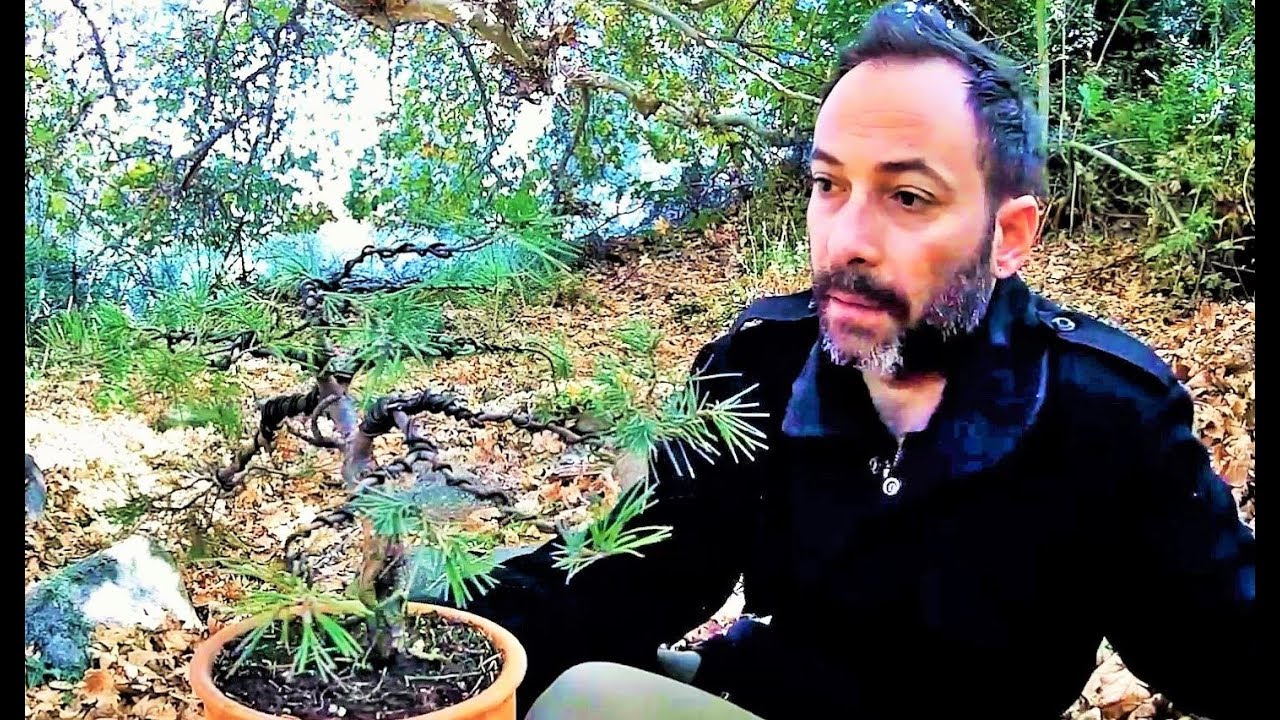
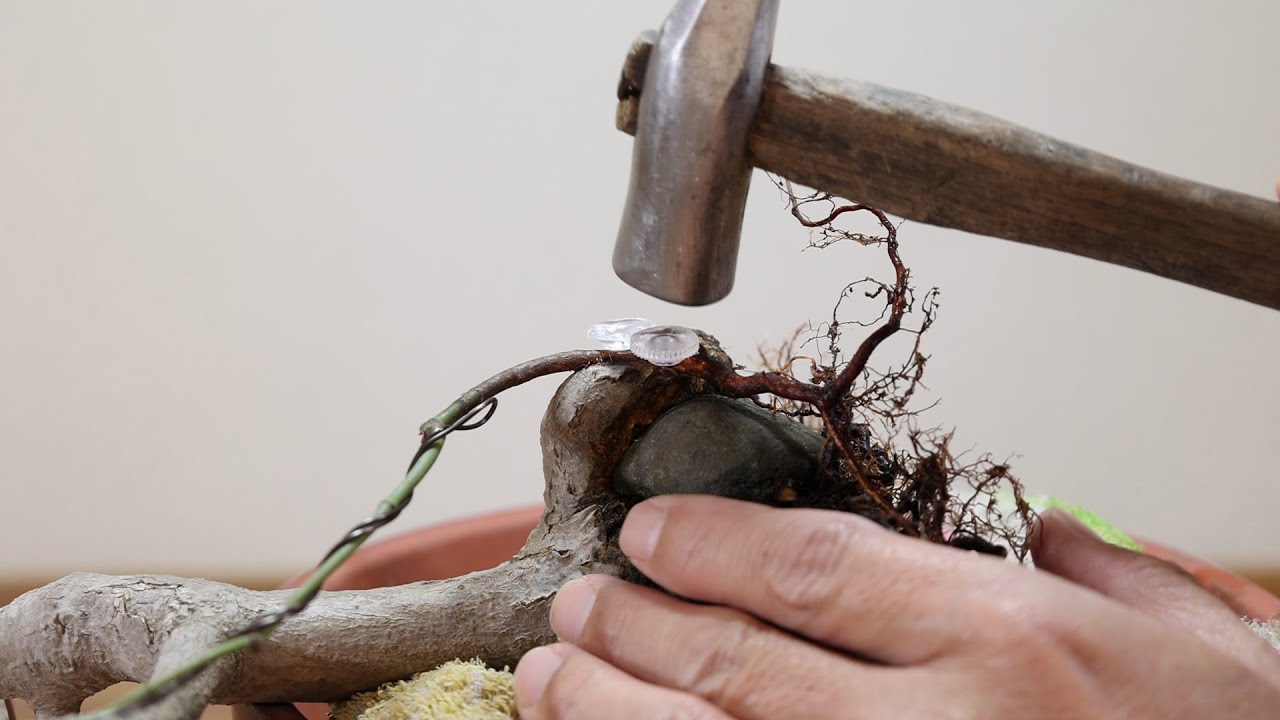
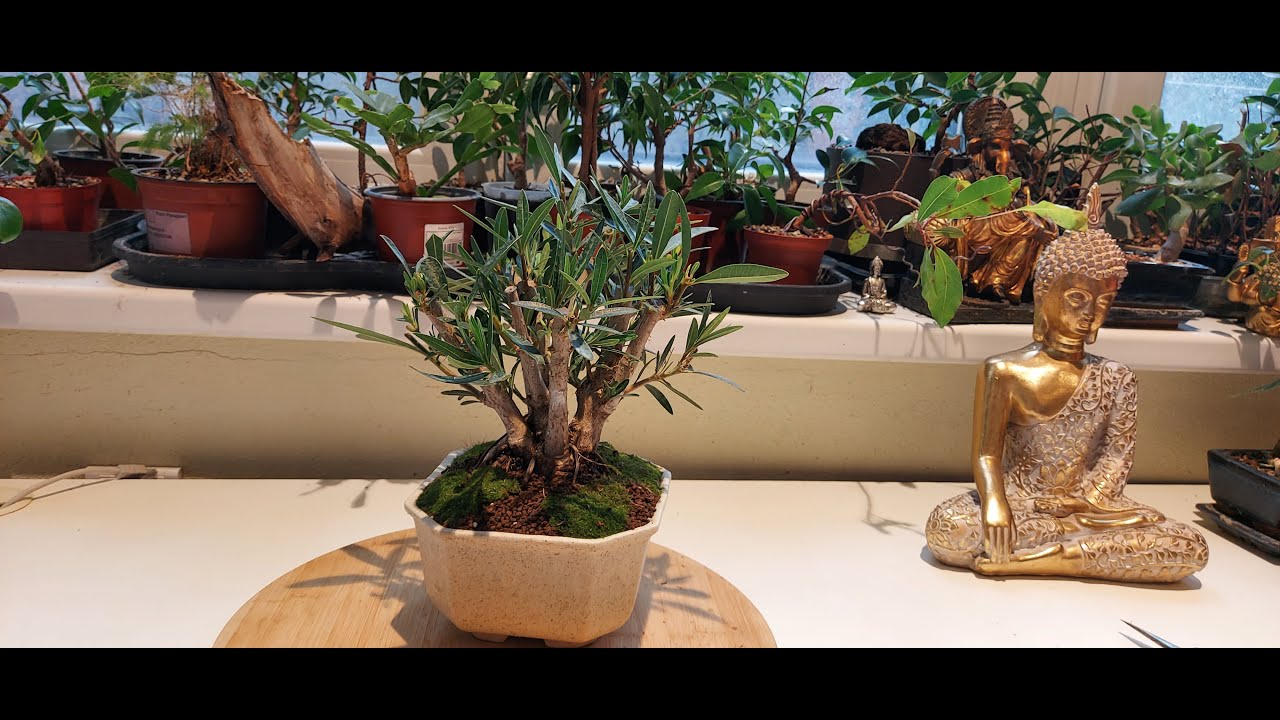
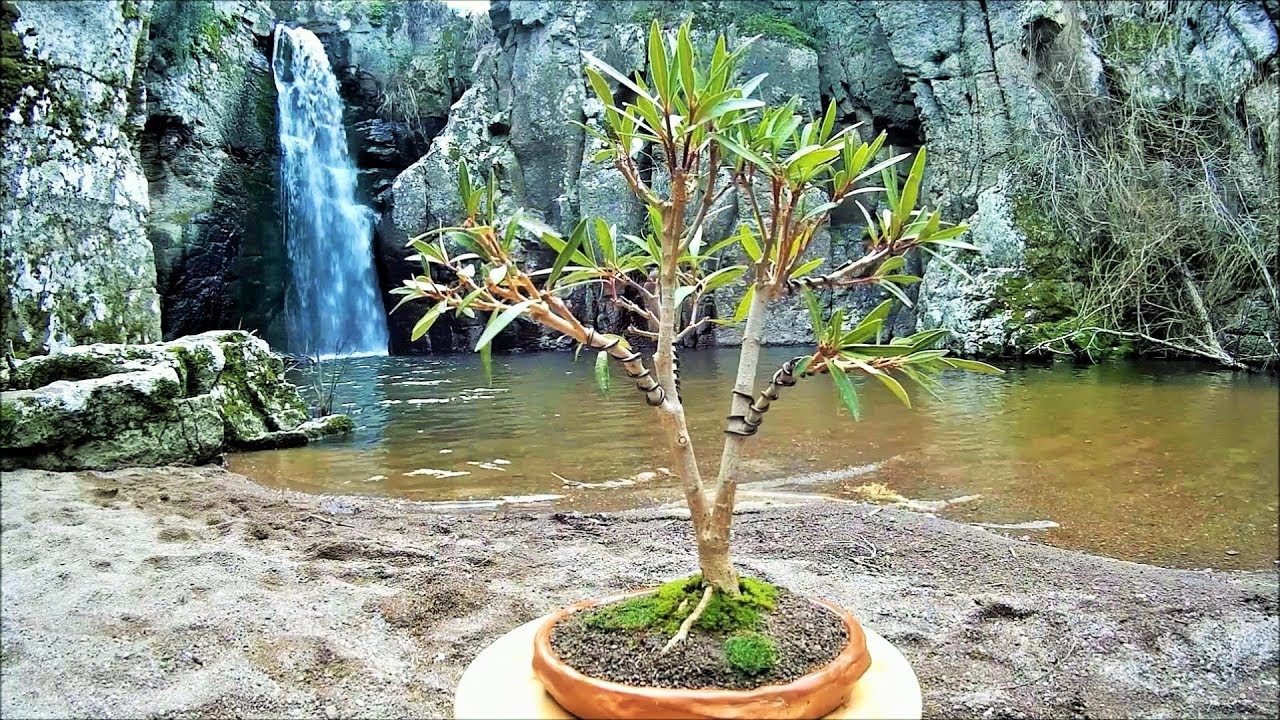
In episode 10 of Mediterranean Bonsai we are visiting waterfall of Man Katsa at Lesvos island in Greece and we are doing the first repotting of a Nerium oleander bonsai tree!!!
Check Out Here The Video Of The Styling Of This Nerium Oleander: • How To Create Bonsai Tree From Collected M...
Nerium oleander is a highly toxic ornamental shrub widely cultivated in the Mediterranean. It has been grown since ancient times and features in many of the Roman wall paintings in Pompeii.
General Description:
Nerium oleander, commonly known as oleander, is a highly toxic plant that has been cultivated since ancient times.
Nerium oleander is a highly toxic ornamental shrub widely cultivated in the Mediterranean. It has been grown since ancient times and features in many of the Roman wall paintings in Pompeii.
Alexander the Great in his military campaigns is said to have lost men as a result of eating meat skewered on highly poisonous Nerium twigs.
Species Profile:
Geography and distribution native to the Mediterranean region, Iran, the Indian subcontinent and southern China.
Description Overview:
An evergreen shrub (or small tree) that grows to approximately 6 m. A sticky latex is exuded if the stem is cut.
Leaves:
Leaves are usually in groups of three and narrowly lanceolate.
Flowers:
The flowers are tubular with five lobes, red or pink in the wild, but may be white, cream, yellow or purple in cultivars, and double forms have also been selected. Some are scented.
Fruits:
The fruit is composed of a pair of follicles that split along one side to release the seeds. The seeds are oblong, with a plume of hairs at one end.
Threats and conservation:
Oleander is not threatened globally. Plants are threatened in the wild in some areas through excessive development, but will persist in cultivation.
Uses Ornamental:
Nerium oleander is widely cultivated as an ornamental shrub or as an informal hedge in warm-temperate and dry subtropical regions, and as a plant for the conservatory in cooler climates.
Pest control:
Oleander is highly poisonous to humans, pets, livestock and birds due to the presence of cardiac glycosides, mainly oleandrin. Ingestion causes nausea, vomiting, cardiac arrhythmias, hypotension (low blood pressure) and death. Its sap has been used as rat poison. The leaves also show insecticidal activity against sugarcane mite and citrus leafminer.
Medicinal:
Oleandrin is used for treating cardiac conditions in patients who cannot tolerate digitalis. In traditional medicine, the leaves have been used for a variety of medicinal purposes, including the treatment of heart diseases, as a diuretic, antibacterial, and against snake-bite.The roots have been used externally in traditional medicine for treating cancer, ulcers and leprosy.
Other:
In Western Sahara the ash from Nerium oleander is mixed with saltpetre to make gunpowder.
Cultivation:
A tender plant, Nerium oleander can survive light frosts, but show signs of frost damage. It is a common landscape plant in tropical and subtropical climates and grows in a wide range of soils. It can withstand drought and salt spray, being widely used in coastal areas, and reacts well to full sun or partial shade. The species can be propagated by semi-ripened cuttings in summer or seeds. Hard pruning helps to maintain its shape.
Distribution:
China, India
Ecology:
Found mostly in seasonally dry rocky watercourses, in full sun.
Conservation
Least Concern according to IUCN Red List criteria.
Hazards
All parts of the plant are extremely toxic if eaten; contact with the sap may cause dermatitis; avoid inhaling smoke if burning plants.
Camera: SJCAM - SJ5000 Action Camera
SUPPORT MEDITERRANEAN BONSAI ON PATREON:
/ mediterraneanbonsai
FOLLOW US ON FACEBOOK: / mediterranean-bonsai-2191968524425062
Please Subscribe & Share To Support Our Channel !!!
Повторяем попытку...
Доступные форматы для скачивания:
Скачать видео
-
Информация по загрузке: